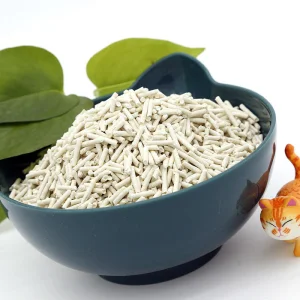
Engineered with quick-dissolution kinetics and high structural stability for optimized septic tank breakdown.
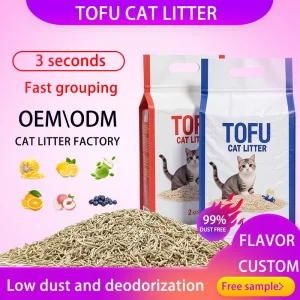
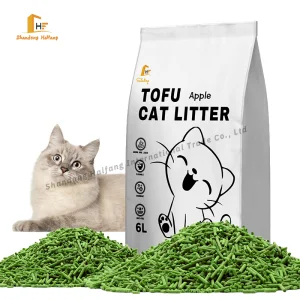
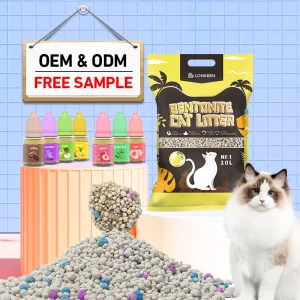
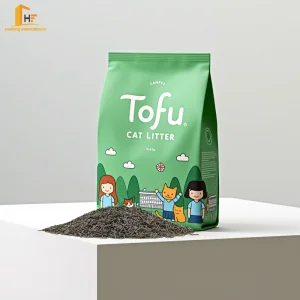
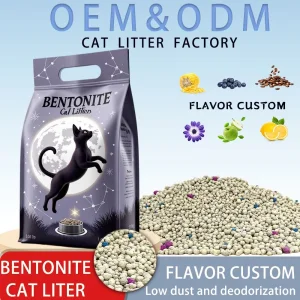
Traditional sodium bentonite and silica-based litters pose systemic challenges to residential and industrial wastewater treatment pipelines. High-expansion clays swell up to fifteen times their original dry volume, creating dense mechanical plugs within effluent sewer mains and gravity-fed lateral pipes. This lack of solubility forces septic tanks to accumulate inorganic sludge at unsustainable rates, necessitating frequent and costly mechanical cleanouts.
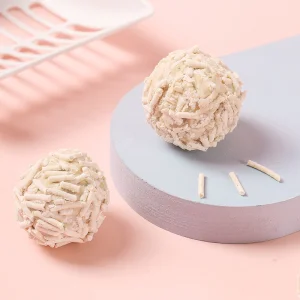
By contrast, premium septic-safe litters utilize plant-derived, water-soluble organic polymers such as soy residues, pea starches, and wood celluloses. The molecular structural design of these organic fibers incorporates short-chain glucose links that dissociate rapidly when subjected to the turbulent mechanical shear forces of a toilet flush. Within 45 to 60 seconds of aquatic immersion, the material undergoes complete physical dispersion, eliminating the risk of physical restriction in low-flow plumbing systems.
Our research indicates that the degradation speed of septic-safe organic tofu litter is governed by the liquid-to-solid ratio. When exposed to excess water (minimum 1:10 ratio during a standard flush), the cohesive starch network dissolves completely within 90 seconds.
How varying regional plumbing designs, septic installations, and municipal guidelines dictate appropriate cat litter formulations.
Private rural septic systems in the United States and Canada rely on anaerobic biological degradation within large settling tanks. The introduced waste must have a low biological oxygen demand (BOD) to avoid neutralizing beneficial anaerobic bacteria. Using 100% natural tofu or pine-based litters supports clean biological breakdown, avoiding the toxic soil-clogging issues common with clay-based alternatives.
Many historical European cities feature complex, narrow municipal sewer designs with minimal gravity assistance. In these properties, traditional high-expansion clays present a severe blockage risk. Utilizing light, ultra-dispersible soybean or wood pellet formulas allows for safe passage through old, narrow pipelines, complying with strict water-conservation mandates.
In high-density metropolises throughout Japan, South Korea, and Southeast Asia, space-saving measures and waste regulations encourage instant disposal. Flushable, plant-based litters address the limitations of traditional landfills, providing urban pet owners with a hygienic disposal route directly through residential plumbing systems.
The next decade of organic polymer engineering, eco-plumbing compatibility, and biological waste treatment.
Integration of inactive natural enzymes inside the core matrix that trigger only upon complete immersion in water, accelerating the breakdown of cellulose links within pipes.
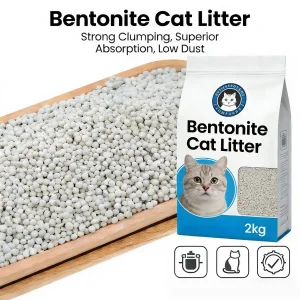
Engineered mineral-organic blends utilizing specialized water-dispersible bentonites (such as sodium clay blends) mixed with plant fibers to offer high clumping strength without line blockages.
Transitioning manufacturing processes entirely to local agricultural co-products, utilizing zero-waste processing techniques to achieve carbon-neutral production cycles.
The long-term development of pet litter technology relies on balancing consumer demand for odor control with municipal plumbing safety. As cities continue to update their environmental guidelines, traditional non-degradable waste disposal methods face growing limitations.
By investing in smart manufacturing technology, modern production facilities are shifting from standard clay extraction to sophisticated organic formulations. These materials are designed to be easily processed by local municipal systems or home septic setups, supporting a circular approach to pet waste management.
The production of high-grade, septic-safe cat litter requires access to specific raw materials, automated processing machinery, and strict quality control protocols. Hebei Province, and Xingtai City in particular, has emerged as a key center for this specialized pet product sector.
Proximity to regional agricultural operations ensures a reliable supply of fresh pea fibers, starch binders, and bean residues, minimizing raw material transport overheads. Advanced, automated facilities handle key processing stages—from steam sterilization and extrusion molding to uniform drying and multi-stage dust extraction—minimizing manual handling to deliver highly consistent, low-dust products.
Additionally, modern logistic links from nearby ports allow manufacturers to optimize shipping timelines and container loading, helping global distributors manage costs and keep inventory flowing smoothly.

A specialized manufacturer of high-quality cat litter, dedicated to creating comfortable and safe living environments for pets globally.
Hebei Webvet Pet Products Co., Ltd. is located in Xingtai City, Hebei Province. We operate as an integrated manufacturer handling product design, research and development, manufacturing, sales, OEM/ODM services, and export logistics. Our product range uses natural, degradable materials subjected to strict quality control to help ensure reliable batch deliveries. We are committed to manufacturing consistent, high-performing litter that supports pet health while giving owners peace of mind.
Webvet Pet has automated its key production lines, helping to optimize raw material selection and quality control protocols to maintain market competitiveness. We continue to expand our product offerings to meet diverse and customized market needs.
Our experienced production teams and structured customer support have helped Webvet products reach beyond the domestic market to customers in over 30 countries and regions, including Europe, Southeast Asia, the United States, Australia, South Korea, Russia, Hong Kong, and Taiwan.
Enterprise Slogan:
"The world's pet industry, China's Webvet! Webvet Pet, China pet supplies industry explorer!"
Enterprise Concept:
"Heaven rewards hard work and humanity rewards good; business rewards those who believe in ability; sage is the main virtue of the world."
"Honesty is the foundation, health is the source, quality is the soul, and fitness is far away"
Helping international importers navigate target market standards and customs procedures smoothly.
Our manufacturing lines operate under Business Social Compliance Initiative (BSCI) guidelines, verifying safe working conditions and fair operational practices across the supply chain.
Products undergo laboratory testing to measure dissolution rates in plumbing traps, helping to confirm they meet flushability benchmarks without residue buildup.
For plant-derived litters, we provide the necessary phytosanitary certificates required for import customs, verifying the materials are free from pests or soil contaminants.
Addressing the common technical, logistics, and performance questions from global distributors and buyers.
Yes. Plant-based tofu litters are composed of water-soluble fibers that break down quickly under hydraulic action. Unlike clay litters, they do not settle and accumulate in the tank, reducing the risk of clogging older plumbing setups.
Typically, the clumps begin to break down within 30 to 45 seconds of contact with water, with complete dispersion occurring in less than 90 seconds under typical toilet flushing dynamics.
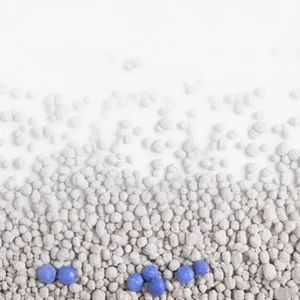
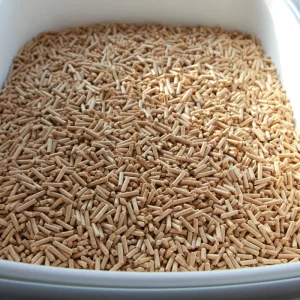
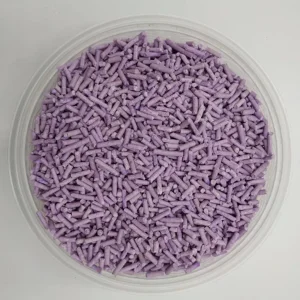
We manufacture a range of options to serve different market preferences—from traditional clumping bentonite for standard waste disposal to plant-based tofu and wood pellets for flushable, eco-friendly applications.
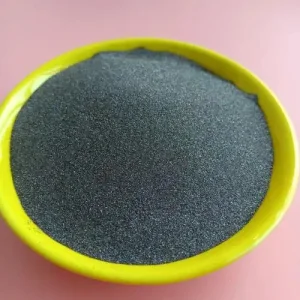
Titanium dioxide (TiO2) from rutile sand is occasionally used as a safe whitening agent or in specialized photocatalytic coatings to help control odors in premium litters.
Stored in cool, dry conditions in its original packaging, our organic litter maintains its properties for up to 24 months, resisting mold and moisture absorption.
Yes. We provide complete OEM/ODM options, allowing you to customize packaging sizes, designs, colors, and scents (such as green tea, peach, or lavender) to suit your brand requirements.
Our multi-stage dust filtration systems remove fine particulate matter, producing cleaner granules that help protect both pets and owners from respiratory irritation during use.
Our typical MOQ is one 20-foot container (approx. 10-12 tons depending on packaging). For custom OEM runs, MOQ details can be discussed based on your specific packaging materials.
Explore our broader range of pet hygiene and raw material selections, optimized for international distribution.
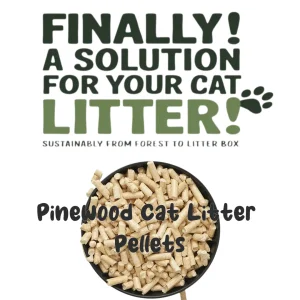
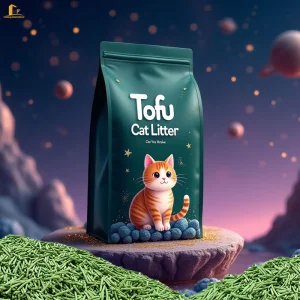
 Webvet Pet