The global pet care sector is undergoing a profound paradigm shift. As pet humanization deepens across major consumer markets, veterinary sciences have highlighted a critical health risk: respiratory allergies in household cats and their human owners. Standard cat litters, which traditionally relied heavily on unrefined clays and chemical fragrance masks, are increasingly recognized as primary triggers for feline asthma, upper respiratory tract infections, and contact dermatitis.
In response, leading global distributors are prioritizing hypoallergenic cat litter formulations. These specialized products are engineered using advanced manufacturing techniques to suppress dust particulates down to PM2.5 levels, eliminate toxic bonding chemical glues, and omit heavy artificial scent additives. For importers and international brands, aligning with top-tier exporters capable of delivering consistent, certified hypoallergenic products is no longer optional—it is the cornerstone of brand authority and consumer trust.
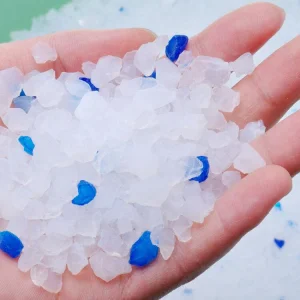
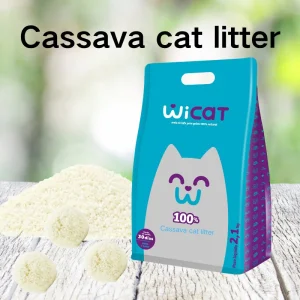
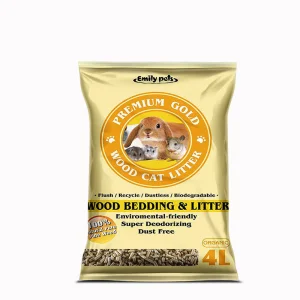
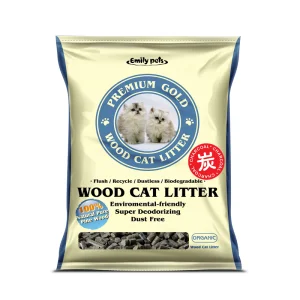
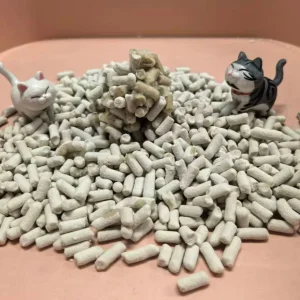
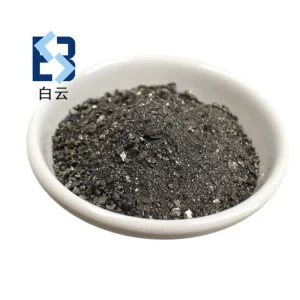
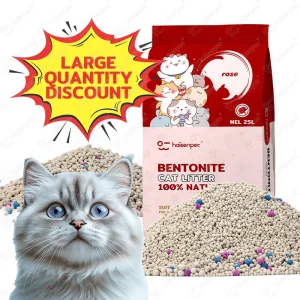
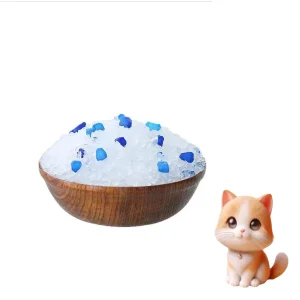
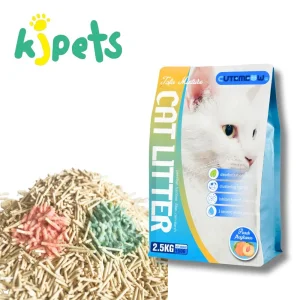
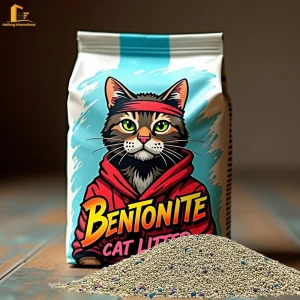
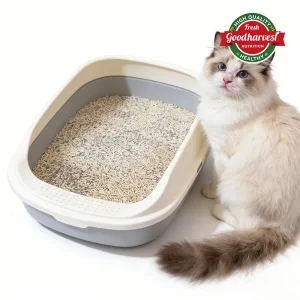
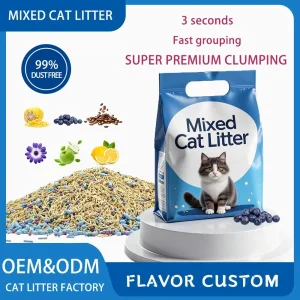
Explore our primary list of engineered cat litters, manufactured to meet the highest safety, clumping, and low-allergen standards.
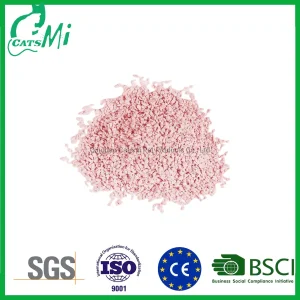
Our industrial methods combine multi-stage air cyclones and natural biological binders to build high-performance, hypoallergenic cat litters.
Removing mineral dusts and sorting plant fibers through advanced vibratory screening matrices before formula mixing.
Using flash heat treatments to completely eliminate micro-spores, bacteria, and allergens naturally occurring in organic agricultural fibers.
Multi-point vacuum dust extraction sweeps granular channels, keeping packaging clean and minimizing ambient airborne particulate matter.
B2B export units are packed in moisture-resistant barrier layers to preserve raw structural strength and prevent mold during ocean freight shipping.
The manufacturing of hypoallergenic cat litter has transformed from a niche segment into a massive multi-billion-dollar global supply chain. This shift is primarily driven by rising demand in North American, European, and East Asian markets. In urban centers, high-density residential housing means that pets live in close proximity to their owners, making airborne dust and chemical residues a shared concern.
As a result, leading pet brands are moving away from raw, unrefined minerals to processed, multi-stage dust-filtered sodium bentonite and eco-friendly organic fibers. Importers are increasingly focused on sourcing high-performance formulations that can reduce dust levels down to PM2.5, eliminate toxic bonding chemical glues, and omit heavy artificial scent additives. This guarantees high quality, reliable supply chains, and superior odor control.
From a logistics perspective, major manufacturers are focusing on packaging innovation. Because hypoallergenic litters like tofu, cassava, and wood pellets are sensitive to high humidity, exporters must use high-barrier polymer films or moisture-resistant lining systems. Doing so ensures the physical integrity of the clumping agents during ocean transit and long-term warehousing, protecting product quality from factory floor to retail shelf.
Three major structural trends are shaping the future of global cat litter production and export:
"The shift toward premium, low-dust, and hypoallergenic cat litters represents a major change in consumer expectations. Brands that invest in dust suppression and chemical-free binding technologies are securing long-term market share." — Lead R&D Engineer, Webvet Pet Products Co., Ltd.
Understanding regional market preferences is essential for global distributors and importers:
North America & Canada: In these markets, heavy-duty clumping bentonite is still highly popular, but there is a major focus on dust suppression and multi-cat performance. Large retail channels demand low-dust formulas in sturdy jugs or box packaging.
European Union: The EU is highly focused on sustainability and environmental impact. Importers look for biodegradable wood pellets, cassava, and flushable tofu litters. FSC and PEFC certifications for raw wood materials are often required.
East & Southeast Asia: High-density urban living makes odor control and easy disposal key priorities. Flushable tofu litter is highly popular in Japan, South Korea, and Singapore, where space is limited and waste management regulations are strict.
The future of hypoallergenic cat litter lies in material science and smart technology. Over the next decade, manufacturers plan to transition toward completely synthetic-free raw materials, using bio-engineered plant proteins to replace chemical clumping agents.
Additionally, dust-control systems are moving toward real-time optical sorting, allowing factories to filter out broken granules during packaging. We are also seeing the development of allergen-neutralizing litters. These use natural enzymes to bind to and deactivate proteins like Fel d 1, the primary allergen responsible for human sensitivities to cats.
By combining advanced manufacturing with biotech research, manufacturers are helping B2B brands offer safe, functional, and highly effective products to consumers worldwide.
Our Commitment: Providing high-quality, comfortable, and safe living environments for cats and peace of mind for owners.
Hebei Webvet Pet Products Co., Ltd. is located in the beautiful city of Xingtai City, Hebei Province. We are a modern, forward-thinking cat litter manufacturer integrating product design, research and development, automated manufacturing, sales, OEM/ODM services, and global export logistics.
Our core mission is to provide cats with a high-quality, comfortable, and safe living environment. Our litters are made of natural, degradable materials and undergo strict quality testing. With automated production lines and rigorous raw material selection, we are continuously enhancing our core competitiveness. We provide faster, more innovative, and highly personalized solutions to meet the diverse needs of pet owners worldwide.
Through advanced production technology, careful team management, and reliable after-sales service, Webvet’s products are exported to more than 30 countries and regions, including Europe, Southeast Asia, the United States, Australia, South Korea, Russia, Hong Kong, and Taiwan.


"The world's pet industry, China's Webvet!"
"Webvet Pet, China pet supplies industry explorer!"
"Heaven rewards hard work and humanity rewards good; business rewards those who believe in ability; sage is the main virtue of the world."
"Honesty is the foundation, health is the source, quality is the soul, and fitness is far away."
Our specialized manufacturing capabilities help global distributors scale their brands with reliable, high-quality products.
We provide end-to-end customization services, including custom box designs, bag sizing, and custom formulas (bentonite, tofu, cassava, or mixed). We work closely with your brand to create products tailored to your market's preferences.
Our manufacturing facility features automated raw material handling, real-time dust monitoring, and strict particle size screening. This ensures consistency and reliability across every batch we produce.
We design packaging sizes that maximize container space and reduce freight costs. All export products are wrapped in heavy moisture-barrier layers to protect them during transit and maintain quality upon arrival.
Find answers to common questions about hypoallergenic formulations, raw material sourcing, and B2B ordering.
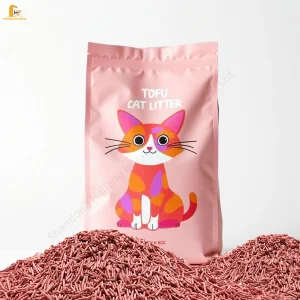
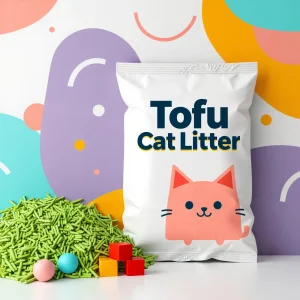
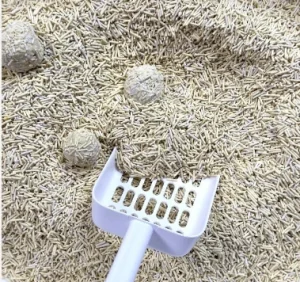
Browse our range of technical mineral formulations and plant-based litters, engineered for high clumping efficiency and odor control.
 Webvet Pet