As cat owners, we often ponder over the impact of our choices on the environment. Choosing a cat litter is one of those decisions that can significantly affect our ecological footprint. "What type of cat litter is most eco friendly" is a question that many are asking today. The market offers a variety of options, but not all are created equal.
Eco-friendly cat litters can be made from natural materials like corn, wheat, and recycled paper. These alternatives are biodegradable and often free from harmful chemicals. Using them is a small step that can lead to substantial positive changes. However, it is important to recognize that not every eco-friendly option is perfect. Some brands may claim to be green but fall short on performance or sustainability.
Exploring the top ten eco-friendly cat litters helps shed light on the best choices available. These products not only focus on the health of our feline friends but also aim to protect our planet. With every scoop, we can strive for a better balance between pet care and environmental responsibility. The choices we make today can lead to a healthier tomorrow for both our pets and the Earth.
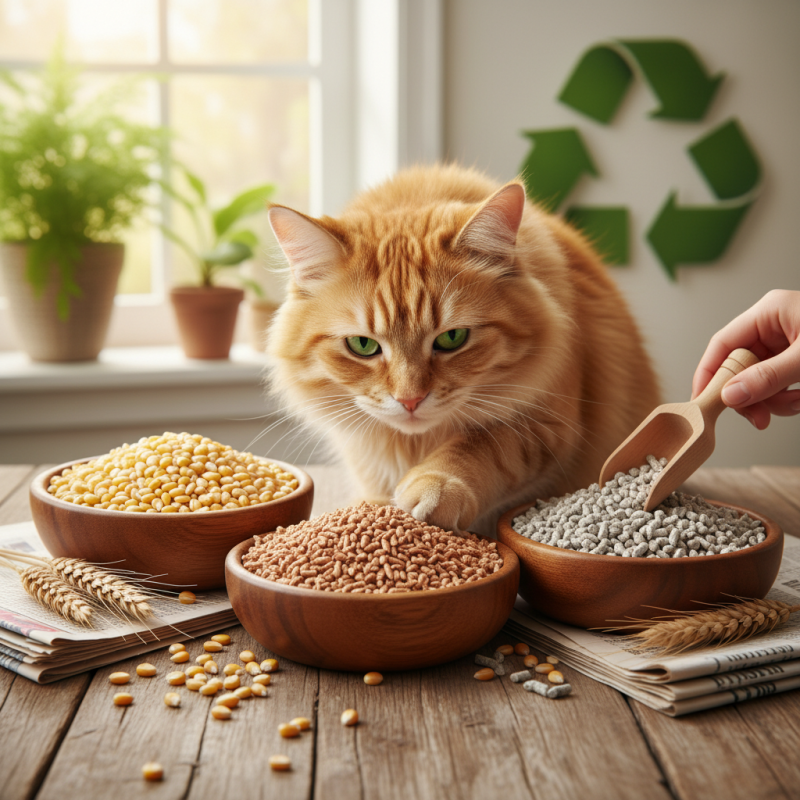
Eco-friendly cat litter is made from natural, biodegradable materials. It offers a sustainable alternative to traditional clay litters. These litters often use products like recycled paper, corn, or wheat. According to the Pet Industry Joint Advisory Council, over 50% of cat owners now consider environmental impact when choosing products.
Using eco-friendly litter can benefit both your cat and the planet. Studies suggest that these litters are less harmful to cats' respiratory systems. Many pose fewer health risks than traditional options. Yet, some pet owners report challenges in clumping ability or odor control. These are valid concerns that require attention.
Additionally, eco-friendly litters contribute to reducing landfill waste. Traditional clay litters do not decompose, contributing significantly to environmental issues. Reports indicate that a single cat's yearly litter waste can equal several hundred pounds. By switching to biodegradable options, cat owners can actively participate in eco-conscious living. This shift can be beneficial but may need adjustments to ensure pet comfort and hygiene.
| Type of Litter | Material Source | Biodegradable | Clumping Ability | Dust Level | Odor Control |
|---|---|---|---|---|---|
| Wood Pellets | Recycled Wood | Yes | Moderate | Low | Good |
| Corn-based | Corn Kernels | Yes | Excellent | Low | Very Good |
| Paper-based | Recycled Paper | Yes | Moderate | Very Low | Good |
| Coconut Husk | Coconut Coir | Yes | Good | Low | Very Good |
| Wheat-based | Wheat Straw | Yes | Excellent | Moderate | Good |
| Hemp-based | Hemp Fibers | Yes | Good | Low | Very Good |
| Bamboo-based | Bamboo Fiber | Yes | Good | Low | Excellent |
| Alfalfa-based | Alfalfa Pellets | Yes | Moderate | Low | Good |
| Grass-based | Grass Fibers | Yes | Good | Very Low | Good |
: Eco-friendly cat litter is made from natural, biodegradable materials like recycled paper, corn, or wheat.
These litters are less harmful to cats' respiratory systems and pose fewer health risks than traditional options.
Traditional litters do not decompose and contribute significantly to landfill waste and environmental issues.
Popular types include recycled paper litter and wood-based litters, each with unique benefits and properties.
Yes, some cats may be sensitive to the scents in wood-based products, so monitor their reactions.
Some pet owners report issues with clumping ability and odor control, which are valid concerns.
Be patient and observe your cat’s behavior during the transition, tracking any changes.
Yes, look for certifications that can indicate how sustainable and safe the product is.
Higher upfront costs can be a factor, alongside varying qualities compared to traditional litters.
Pets can be picky, so the adjustment may require time and attention. Keep an eye on their comfort.
Eco-friendly cat litter is a sustainable alternative designed to minimize environmental impact while providing comfort for pets. The benefits of using such litters include reduced waste, biodegradable materials, and the elimination of harmful chemicals often found in traditional products. Various types of eco-friendly litters are available, including ones made from corn, wheat, recycled paper, and wood pellets, each offering unique features that cater to different cat preferences and owner values.
When choosing the right eco-friendly cat litter for your pet, consider factors like absorbency, odor control, and clumping ability to meet both your cat's and your household's needs. This leads to the crucial question: "What Type Of Cat Litter Is Most Eco Friendly?" As outlined in the article, the answer will depend on your individual priorities regarding sustainability, performance, and ease of use. Ultimately, making the switch to eco-friendly options not only benefits your cat but also contributes positively to the environment by reducing the harmful effects of traditional litter products.

 Webvet Pet