Cats have unique preferences, especially when it comes to litter boxes. Understanding why they might reject certain options can help owners make better choices. "Why Do Cats Reject Certain Litter Boxes" is a question faced by many cat guardians. It can be frustrating when your feline friend refuses to use their designated area.
Several factors influence a cat’s litter box preferences. The texture, scent, and cleanliness of the litter can heavily impact their decision. Some cats may even dislike the size or type of the box itself. An unclean box can lead to rejection, reflecting a cat’s strong instincts for hygiene. Additionally, a quiet and private location is often preferred, as cats are creatures of habit.
Not all cats are the same. Each cat has its own quirks and preferences. This can lead to trial and error before finding the perfect match. Understanding these behaviors requires patience and observation. Reflecting on your cat's habits can lead to a better relationship and a more harmonious home.
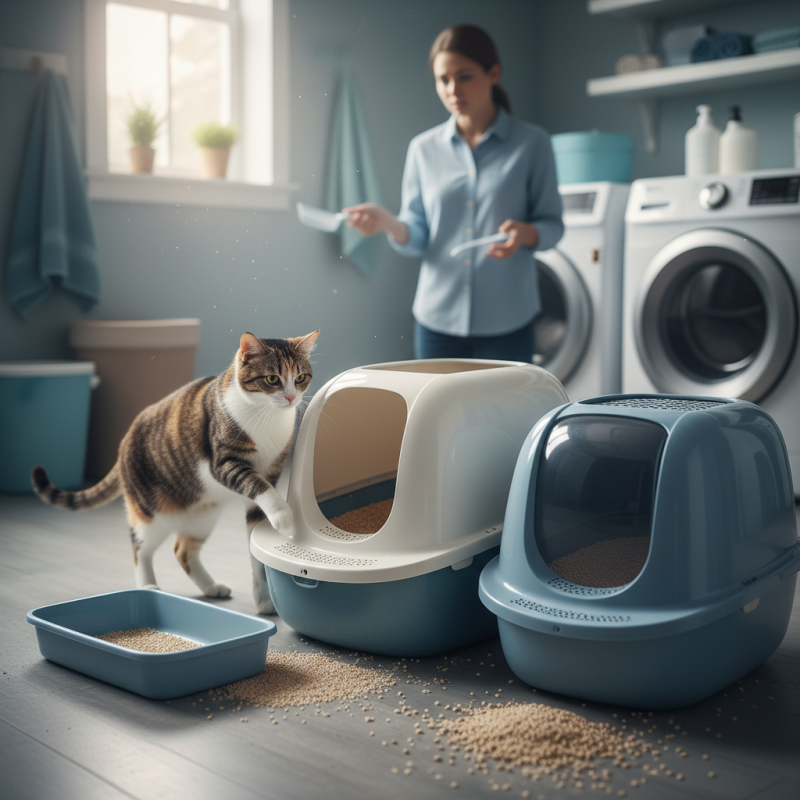
Understanding Cat Litter Box Preferences and Rejections
Understanding your cat's litter box preferences is crucial for a harmonious home. Cats can be specific about their bathroom habits. If a litter box doesn’t meet their needs, they might avoid it altogether.
One common reason for rejection is the litter type. Cats prefer different textures. Clumping clay, silica, or natural options all have their fans. It’s a good idea to experiment with various types to see what your cat prefers.
Another factor is the litter box size and style. Some cats feel cramped in a covered box. Others may appreciate the privacy it provides. Try offering both options to see how your cat reacts.
Additionally, cleanliness is essential. Cats instinctively avoid soiled areas. If the box isn’t cleaned regularly, they may refuse to use it. Aim to scoop the litter daily and replace it weekly.
Placement matters too. A quiet, low-traffic area is ideal. If a box is in a noisy spot, your cat might hesitate to use it. Reflect on these factors to create a suitable environment for your feline friend.
Common Reasons Cats Reject Certain Litter Box Styles
Cats can be very particular about their litter boxes. Understanding why your feline friend may reject certain styles is crucial for a harmonious home. One common reason is the type of litter used. Cats often prefer unscented, fine-grained litter. Heavy fragrances can be off-putting. Ensure the box is filled with a familiar texture that they find comfortable.
Another factor is the cleanliness of the litter box. Cats are clean creatures. They might refuse to use a box that is not scooped regularly. Aim for daily cleaning to keep it in top shape. An unkempt box will only drive them away and can lead to behavioral issues.
The size and shape of the box also matter. Some cats prefer covered boxes, while others dislike them. Providing multiple options can help. A box that is too small can hinder comfort. Cats need space to turn around. Consider their size when choosing a new box. Lastly, location is key. Avoid placing it near noisy appliances or in high-traffic areas. A safe, quiet place is their top choice. Observing your cat’s preferences can pave the way for a stress-free experience.
Impact of Litter Material on Cat Acceptance
The choice of litter material can significantly impact a cat's acceptance of a litter box. Many cats are particular about textures. For instance, clumping litter might be favored by some, while others prefer the feel of natural materials. It’s essential to observe your cat’s preferences. Conducting small tests with different types can provide insights into what your cat truly likes. Consider that some litters may have strong scents or chemicals that deter your feline friend.
When introducing a new litter, pay attention to your cat's body language. Some cats may hesitate or show signs of anxiety when using a box with unfamiliar material. It’s crucial to avoid abrupt changes. This gradual transition can encourage a positive response. Don't forget about the box itself; a clean, unobtrusive design might enhance their willingness to use it.
Ultimately, it’s about finding a balance. Cats are sensitive creatures, and their preferences can evolve. Experimenting with a mix of litter types might lead you to the right choice. Often, patience is needed to refine your litter box strategy. This trial-and-error approach can yield important lessons about your cat's behavior and preferences.
The Role of Box Size and Shape in Litter Box Choice
When it comes to litter box choices, size and shape play crucial roles. Cats naturally seek comfort and security. A litter box that is too small might make them feel cramped. They could refuse to use it completely. An ideal box allows them enough space to move around. A box that is at least one and a half times the length of the cat is recommended.
Shape is equally important. Many cats prefer square or rectangular boxes. These shapes provide a sense of openness. A covered box might seem appealing to some pet owners, but cats often dislike it. The confined space can be stressful, leading them to avoid using the box altogether.
Additionally, the entrance height matters too. A box that is too high might deter older or less agile cats. On the contrary, a lower box can attract them more easily. Each cat has unique preferences shaped by their experiences. Understanding these factors can guide owners in creating a comfortable environment for their feline friends. Not every box will suit every cat; observing their behavior is essential.
Environmental Factors That Influence Litter Box Rejection
When it comes to litter boxes, environmental factors play a critical role in whether a cat will accept or reject them. According to a survey by the American Animal Hospital Association, improper litter box placement can lead to stress and avoidance behavior in cats. Cats prefer quiet, private locations. A box placed near loud appliances or heavy foot traffic can deter use.
The type of litter also matters. Research from the Journal of Feline Medicine and Surgery shows that about 70% of cats prefer clumping clay litter over other types. The texture and scent can influence their comfort levels. An unsatisfying experience with the litter might lead to negative associations with the box itself.
To encourage your cat's proper behavior, consider these tips. Ensure the litter box is easily accessible and clean. Scoop it daily for freshness. The size of the box is essential too; it should be large enough for your cat to turn around comfortably. Lastly, try different litter types to see what your cat prefers. Remember, what works for one cat may not work for another, and continuous observation is key.
10 Tips Why Do Cats Reject Certain Litter Boxes?
This bar chart illustrates various environmental factors and their percentages that can influence a cat's decision to reject certain litter boxes. Understanding these factors can help cat owners create a more appealing bathroom environment for their feline friends.
Conclusion
Understanding why do cats reject certain litter boxes is essential for ensuring their comfort and hygiene. Several factors can influence a cat's preference for litter boxes, including the style and design of the box itself. Common reasons for rejection may involve the box being too small or inadequately shaped, which hampers the cat's ability to use it comfortably.
Moreover, the material of the litter is crucial; some cats may prefer finer, softer textures, while others might be sensitive to certain scents or dust levels that can deter them. Environmental factors such as location, cleanliness, and the presence of noise or distractions also play a significant role in a cat’s acceptance of their litter box. By addressing these elements, cat owners can create a more inviting and suitable bathroom environment for their pets.

 Webvet Pet