Choosing cat litter can seem simple until your cat steps into the box, pauses, and walks away. Texture affects how litter feels under sensitive paws, how easily it clumps, and how much dust or tracking you may notice around the house. A kitten, a senior cat, and a cat with tender feet may not respond to the same material in the same way. Small details matter.
How To Choose The Right Litter Texture For Cats begins with observing your cat, not just comparing labels. Notice whether your cat prefers fine, sand-like granules or larger, firmer pieces. Watch for hesitation, digging, or litter stuck between the toes. These clues are useful, though they do not explain everything. A change in litter habits can have several causes, so texture should not be treated as the only answer.
This guide explores five practical tips for matching litter texture to your cat’s needs and your home. It considers comfort, dust, tracking, clumping, and gradual transitions. No texture works perfectly for every cat. Even a promising choice may need a trial period, and a little mess may still happen. Keep the litter box clean, introduce changes slowly, and pay attention to your cat’s response. If avoidance continues or comes with signs of discomfort, consult a veterinarian rather than assuming the litter is to blame.
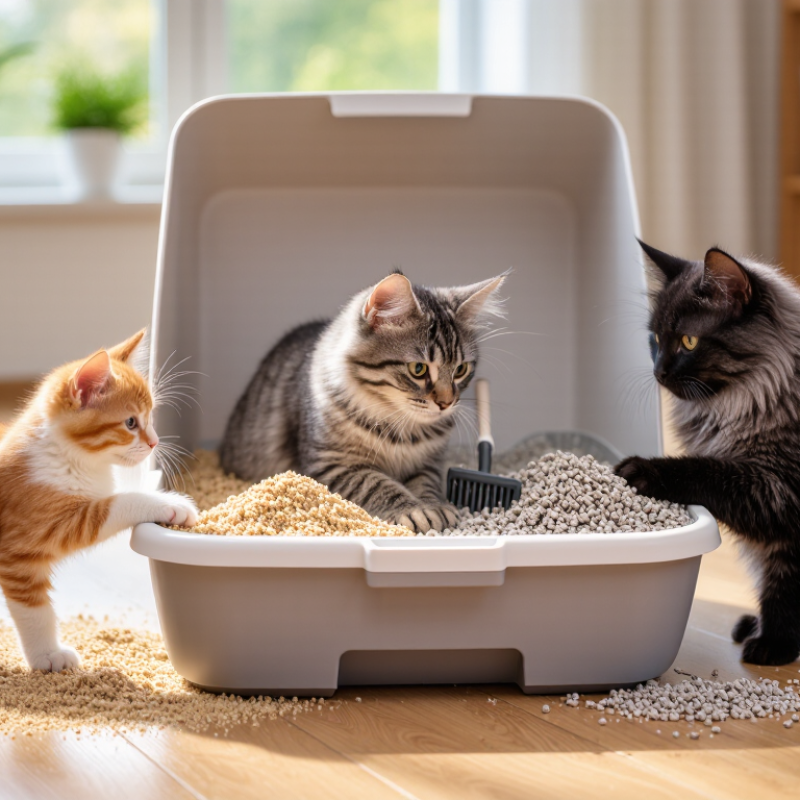
A cat’s paws are more sensitive than they look. Watch how your cat steps into the litter box, then notice what happens afterward. Does your cat dig freely, or lift each paw as if the grains feel sharp? Fine, soft litter may suit a cat with tender paws, while another may prefer larger, firmer pieces that feel stable underfoot. Preferences vary.
Try a small amount of a different texture in a separate, clean tray. Keep the location and box style familiar, so you can better judge the litter itself. Give your cat several days to explore; one cautious sniff is not a clear verdict. Look for steady use, relaxed digging, and normal paw grooming. Also check for redness, limping, or repeated licking, which can have causes beyond litter texture. If those signs persist, ask a veterinarian rather than assuming the grains are to blame.
Some cats change their minds. Mine—or rather, the cat I was helping observe—seemed comfortable with fine litter, then began avoiding it after a box was moved. That was a useful reminder: texture is only one part of the experience. Keep the box clean, avoid switching several things at once, and note which surface your cat chooses when given a calm, consistent option. A simple daily check can reveal more than a quick guess.
| Tip | Texture to Consider | What to Observe | How to Choose |
|---|---|---|---|
| 1. Notice paw sensitivity | Fine, soft-grained litter | Your cat may hesitate, shake its paws, or avoid the box after stepping on a coarse or sharp-feeling surface. These behaviors can have other causes, so look for a consistent pattern. | Try a soft-textured litter in a clean, separate box. Make changes gradually and monitor use rather than assuming texture is the only cause. |
| 2. Compare grain size | Fine grains versus larger, coarser pieces | Watch whether your cat enters, digs, and covers waste comfortably. Some cats prefer the feel of fine grains, while others accept larger pieces. | Offer two boxes with different textures side by side for a short trial, keeping box location, cleanliness, and litter depth as similar as possible. |
| 3. Check the surface underfoot | Soft and smooth versus firm or irregular | A cat that steps in cautiously or avoids digging may dislike the surface, although stress, pain, or box conditions may also affect behavior. | Choose a texture your cat uses readily. If reluctance persists or begins suddenly, consult a veterinarian to rule out medical causes. |
| 4. Introduce changes gradually | The familiar texture mixed with a new option | Look for normal box visits and digging, with no increase in avoidance or accidents during the transition. | Place the new litter in a second box or blend a small amount into the familiar litter over several days. Avoid abrupt changes when possible. |
| 5. Consider cleanup and tracking | Fine, lightweight grains versus larger, heavier granules | Fine grains may be carried out on paws more easily; larger or heavier pieces may reduce tracking for some households but may feel less comfortable to some cats. | Balance your cat’s comfort with household needs. Use a litter mat and clean the box regularly, and let your cat’s consistent preference guide the final choice. |
Observation note: Cats differ in their texture preferences. Keep litter boxes clean and easy to access, and seek veterinary advice for persistent litter-box avoidance, straining, or sudden changes in urination or defecation.
Fine grains often feel soft under paws and form tight clumps. Small particles may stick between toes and spread across floors. A mat beside the tray can catch some tracking.
Pellets are larger and firmer, so they usually track less. Some cats dislike their coarse surface. Paper pellets feel gentle, but damp pieces can break apart quickly.
Not always. Crystal pieces absorb moisture well but may feel hard or angular. Watch whether your cat digs, pauses, or leaves quickly.
A fine, soft texture may feel easier for young paws. Observe the first visits closely. A kitten may scratch comfortably, then unexpectedly reject the litter later.
Softer, finer litter can be easier for cats with stiff hips or sore paws. Use a low-entry box when helpful. Keep the litter shallow, but still deep enough for digging.
Keep the familiar litter in place. Add a small amount of the new texture on one side. Increase it slowly over several days, only if your cat remains comfortable.
Watch for hesitation, paw-shaking, restless digging, or accidents nearby. Repeatedly entering and leaving is also meaningful. These clues can be easy to misread.
Keep the tray clean and leave it in the usual quiet location. Record the texture ratio, date, dust, paw residue, and tracking. Change only one detail at a time.
Yes. Texture may not be the real problem. A moved box, pain, or another health change can affect litter use. If avoidance persists, seek veterinary advice.
Choosing the right cat litter texture starts with your cat’s comfort. Notice whether your cat seems sensitive to rough, large, or unfamiliar particles, then compare common options such as fine, sandy textures and larger, coarser granules. Each can feel different under your cat’s paws and may vary in dust, tracking, and ease of cleanup. Age and mobility matter, too: kittens, older cats, or cats with limited movement may find some textures easier to walk on than others.
For How To Choose The Right Litter Texture For Cats, make changes gradually. Mix a small amount of the new texture with the familiar litter and observe your cat’s behavior, including whether they use the box comfortably. Consider how much dust and tracking you can manage, along with how easy the litter is to clean. The best choice balances your cat’s preferences and physical needs with the practical demands of maintaining a tidy litter area.

 Webvet Pet