How To Stop Cat Litter From Getting Everywhere In Your Home?

Time:2026-05-11 Author:Henry
0%

Cat owners often face a common challenge: keeping litter from scattering throughout the home. A recent study by the Pet Industry Market Research Association found that 67% of cat owners struggle with litter tracking. This highlights a significant concern that impacts both cleanliness and pet comfort.

Expert Dr. Anna Felice, a veterinarian specializing in feline behavior, emphasizes the importance of addressing this issue. She states, "Understanding how to keep cat litter from tracking everywhere is essential for both pet welfare and household hygiene." Her insights underline that effective litter management can prevent litter chaos while ensuring your cat’s litter box remains an inviting space.

Choosing the right litter type can make a difference, as can the litter box’s design. Some owners may underestimate the importance of these elements, leading to frustration. With the right strategies, you can minimize litter dust and granules escaping onto your floors. It's time to reflect on your current setup and consider practical adjustments for a cleaner home environment.
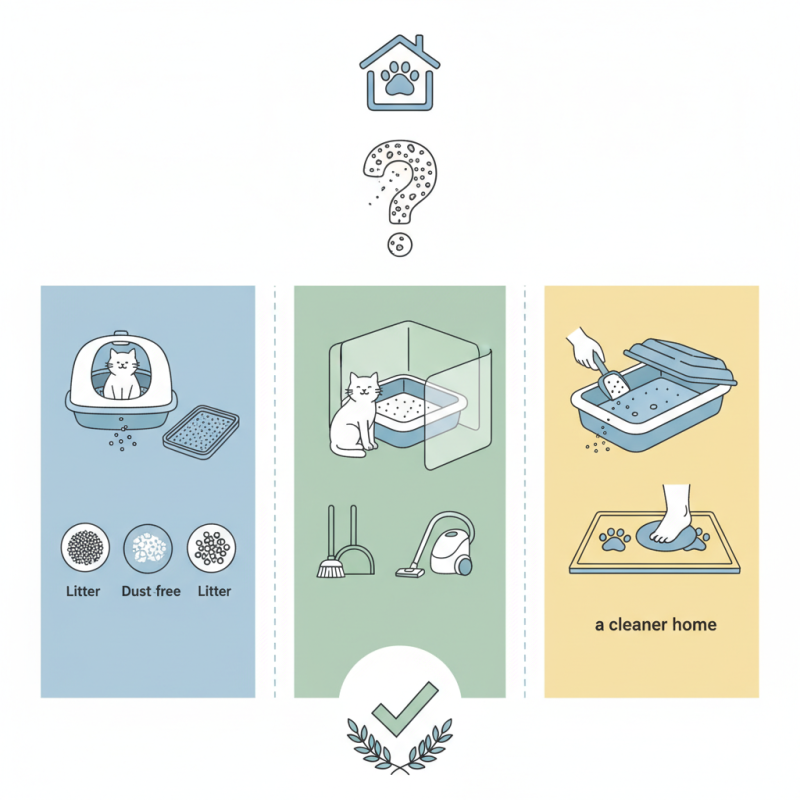
How To Stop Cat Litter From Getting Everywhere In Your Home?

Choosing the Right Cat Litter Type to Minimize Mess

Choosing the right cat litter type can significantly reduce the mess in your home. A survey from the American Pet Products Association noted that nearly 70% of cat owners face litter-related cleanliness issues. Selecting a low-tracking litter can help minimize this problem. These litters typically have larger granules, preventing them from sticking to your cat’s paws. Consider options made from natural materials or clumping clay, as they often have better tracking performance.

One effective approach is trying crystal litters. According to industry reports, these options absorb moisture and odors efficiently. Cat owners frequently report less litter scattering around the house with crystals. However, some cats may not prefer this texture, indicating a need for gradual introduction. Conducting individual trials can identify what works for your pet.

Another option is pelleted litters made from recycled materials. These products are often less dusty and tend to stay in the box better. Still, the transition may require patience. Cats can be particular about their litter types, which can add to the challenge. Adapting to new litters means monitoring your cat's behavior to ensure comfort and avoid accidents outside the box. This can take time and reflection on preferences, impacting your overall litter strategy.

Selecting an Appropriate Litter Box Design for Easy Cleanup

Choosing the right litter box design can greatly minimize the spread of cat litter in your home. Experts recommend selecting a box with high sides. These can help contain stray litter from your cat's digging. A study by the American Association of Feline Practitioners found that a covered litter box often reduces scatter. However, not all cats prefer this design. Some may feel confined, leading to avoidance.

Size matters too. A larger box gives your cat more room to move. Cats typically prefer a box that allows them to stand and turn around comfortably. Inadequate space may discourage them from using the box altogether, increasing the chance of accidents outside the box. According to research, some cats are more likely to develop litter box aversion due to confinement.

Additionally, consider the placement of the litter box. Positioning it in a low-traffic area reduces the likelihood of litter spreading. However, it should not be placed in a secluded area that feels unsafe to your cat. Finding the perfect balance is essential. Remember that trial and error may be required to discover what works best for your pet.

How To Stop Cat Litter From Getting Everywhere In Your Home?

This chart illustrates the most common cat litter box designs and their effectiveness in minimizing litter scatter based on user feedback.

Implementing Strategic Placement of Litter Boxes Around Your Home

When you have a cat, managing litter can be a challenge. Strategic placement of litter boxes is essential. Place them in quiet, low-traffic areas. This encourages your cat to use them often. Think about areas near their eating or sleeping spots. Cats prefer a sense of security while they do their business.

Consider having multiple boxes if you have several cats. A good rule is one box per cat, plus one extra. Place them in different locations to avoid overcrowding. Avoid putting them next to food bowls. This could deter your cat from using the box.

Sometimes, you might not get it right. A box in the wrong spot can lead to accidents. If litter is still spreading, observe your cat's behavior. They might need another box closer to their favorite resting place. Adjustments may take time, but it will pay off in the long run. Experiment with different locations until you find what works best.

How To Stop Cat Litter From Getting Everywhere In Your Home?

Litter Box Location Key Benefits Recommended Cat Count Frequency of Cleaning
Bathroom Convenient access; reduces tracking 1-2 cats Daily
Laundry Room Out of main living area; easy to clean 2-3 cats Every other day
Garage Isolation from home space; odor control 1-2 cats Weekly
Near the Entrance Quick access; helps prevent litter tracking 2-4 cats Daily
Living Room Visits from guests; may prevent litter spread 1 cat Every day

Using Litter Mats to Contain and Reduce Spread of Cat Litter

One effective way to manage cat litter mess is by using litter mats. These mats are designed to catch litter that may cling to your cat's paws. When your cat exits the litter box, some litter inevitably ends up on the floor. Mats can significantly reduce this spread, making cleanup easier.

Choosing the right size mat is essential for maximum effectiveness. It should cover the area right outside the litter box. Consider a mat with a textured surface to trap litter better. Some mats even have a waterproof backing, preventing moisture from seeping through. Regularly shaking out or washing the mat keeps it functional and hygienic.

It's important to note that no system is perfect. Some litter may still escape, and cats can be messy by nature. Observing your cat's habits can provide insights on improving your setup. You might need to experiment with different mat types. Trying out new materials or sizes may help. Keeping an open mind and adjusting your methods can lead to a more litter-free home.

Establishing a Regular Cleaning Routine for Litter Management

Establishing a regular cleaning routine for litter management is essential. Research indicates that approximately 15% of cat owners report litter tracking often leads to messes throughout their homes. Creating a schedule can combat this challenge effectively. Aim to clean the litter box at least once a day. A consistent routine reduces odors and makes tracking less likely.

Consider using a designated mat. Studies show that mats can capture up to 30% of litter kicked out from the box. Placing the box in a strategic location can minimize scattering. A low-entry box might be appealing, but it often attracts more litter outside. Reassess your cat's habits. Do they dig excessively? This behavior can exacerbate litter tracking issues.

Additionally, the type of litter plays a significant role. Clumping litter often leads to less mess than non-clumping options. Evaluate the consistency of your choice. Some granules are harder to track than others. Regularly inspect the area around the box for litter build-up. Finding a balance in frequency and technique can be challenging. A routine isn’t always perfect but requires reflection and adjustments.

FAQS

: How do litter mats help reduce litter mess?

: Litter mats catch litter clinging to your cat's paws and keep it off the floor.

What size litter mat should I choose?

Select a mat that covers the area right outside the litter box for best results.

Are textured mats more effective?

Yes, textured surfaces help trap litter better and prevent it from spreading.

How often should I clean my litter mat?

Regularly shake out or wash the mat to maintain its functionality and hygiene.

Can I completely eliminate litter tracking?

No system is perfect; some litter may still escape despite your efforts.

How can I improve my litter management setup?

Observe your cat's habits and experiment with different mat types and sizes.

Why is a cleaning routine important?

A routine helps reduce odors and minimizes litter tracking around the house.

Does the type of litter affect mess levels?

Yes, clumping litter typically causes less mess than non-clumping options.

How can I minimize litter scattering?

Position the litter box strategically and consider its entry height when selecting a box.

What challenges might I face in litter management?

Finding a balance in cleaning frequency and technique can be difficult and may require adjustments.

Conclusion

Keeping your home tidy while owning a cat requires thoughtful strategies on how to keep cat litter from tracking everywhere. Start by choosing the right type of cat litter that minimizes mess, such as clumping or low-dust options that are less likely to scatter. Next, selecting an appropriate litter box design, like those with higher sides or covered tops, can greatly reduce litter spillage during use.

Strategic placement of litter boxes throughout your home can also help to minimize tracking, ensuring that your feline friends have convenient access to them. Additionally, using litter mats at the entrance of the box can effectively catch any stray litter that clings to your cat’s paws. Finally, establishing a regular cleaning routine will help manage litter buildup, keeping your space clean and fresh. Implementing these methods will make a significant difference in controlling cat litter mess and maintaining a tidy home environment.

Henry

Henry

Henry is a dedicated marketing professional with a profound expertise in the company's offerings. With years of experience in the industry, he possesses an impressive understanding of the market dynamics and consumer behaviors that drive success. Henry is committed to sharing his insights through......