Living with cats can bring joy, but it also comes with challenges, such as managing litter dust. It is a common issue faced by cat owners, with studies indicating that nearly 70% of households report some level of dust from cat litter. This dust can lead to respiratory issues for both pets and humans alike. Therefore, understanding how to reduce cat litter dust in the home is essential for maintaining a healthy living environment.
Research has shown that certain types of litter release significantly more dust than others. For example, clumping clay litters are known to produce more dust particles. In fact, a report by the American Lung Association identified that prolonged exposure can contribute to allergies or asthma in sensitive individuals. Choosing the right litter type and adopting specific cleaning habits can make a substantial difference. These proactive steps can mitigate the effects of litter dust and enhance overall indoor air quality.
However, many cat owners may overlook simple solutions. They might not realize the impact of their litter box placement or cleaning frequency. Evaluating these factors can lead to dramatic improvements. Finding effective methods to minimize dust can transform your home into a cleaner, healthier space for both you and your feline companions.
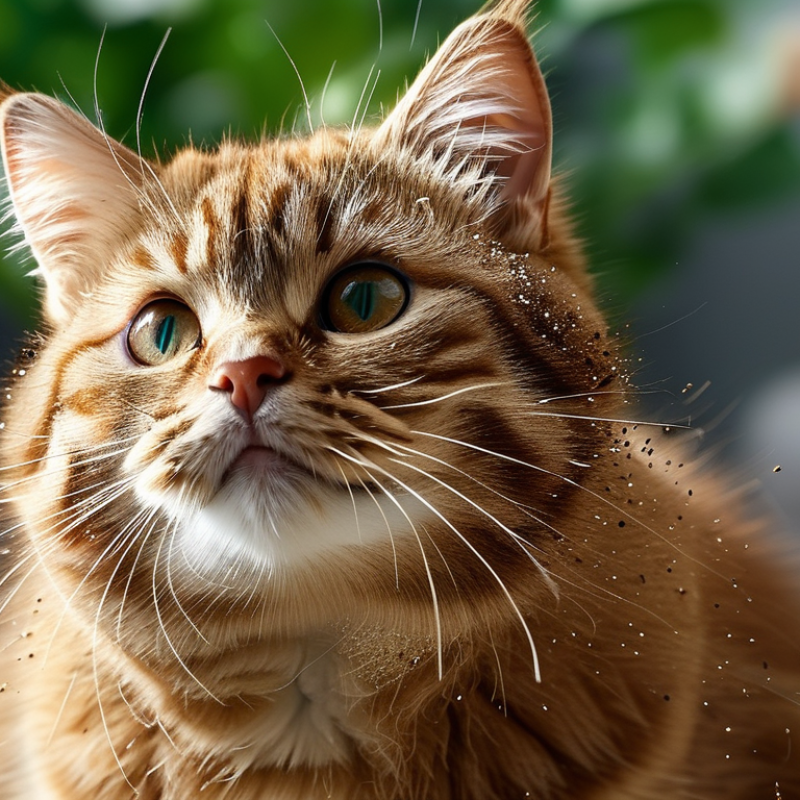
Cat litter dust is often an overlooked aspect of maintaining a home with feline companions. This dust can severely impact indoor air quality, leading to potential respiratory issues for both pets and humans. When cats dig in their litter boxes, they can kick up particles into the air, creating an environment that may irritate sensitive lungs.
Research shows that prolonged exposure to this dust can lead to health problems. Symptoms may include coughing, sneezing, and even worsening allergies. It’s crucial to reduce this dust for a healthier living space. Regularly cleaning the litter box can help. Additionally, wetting the litter slightly can minimize dust particles.
Not all litter types create the same amount of dust. Some are dust-free, while others release significant particles upon use. Homeowners should assess their options carefully. This choice can make a considerable difference, affecting both air quality and overall well-being. While eliminating dust entirely is challenging, being mindful of its presence is a positive step.
Selecting low-dust cat litter products is crucial for maintaining a clean home. Traditional clay litters often create clouds of dust that can aggravate respiratory issues in both cats and humans. According to a study from the Journal of Feline Medicine and Surgery, using low-dust options can significantly reduce the risk of respiratory problems in pets. These litters help to keep the air cleaner, especially in small spaces.
There are various types of low-dust cat litters available. Products made from recycled paper or wood pellets are popular choices. They tend to produce minimal dust during use and are more sustainable. A recent market analysis indicated that such alternative litters made up about 35% of the total cat litter sales, showcasing a significant shift in consumer preferences. However, transitioning to these products may take time, as some cats can be finicky. Small adjustments in litter type can sometimes lead to unexpected aversion from your feline friend.
Choosing low-dust options does require consideration of your pet's preferences. Some cats may refuse to use a new texture. Experimenting with different brands can be a trial-and-error process. You may find yourself needing several attempts before finding the right fit. Monitoring your cat's health and behavior during this change is essential. Ultimately, reducing dust goes beyond comfort; it’s about ensuring the wellbeing of your beloved companion.
Maintaining a clean litter box is crucial for reducing dust in your home. Regular scooping can prevent odor buildup and dust dispersion. A study by the American Animal Hospital Association shows that clean litter boxes can reduce respiratory issues in both cats and their owners. Aim to scoop at least once a day.
Choosing the right litter is also vital. Clumping litters often create less dust than traditional ones. A report from the Journal of Feline Medicine indicates that low-dust formulas can significantly lessen airborne particles. However, it's essential to test different litters. Not all cats will accept every type, and it can take time to find one that both you and your cat prefer.
Location matters too. Place the litter box in a low-traffic area to minimize disturbances. Avoid basements if they are damp, as moisture can increase dust. Remember, even with the best habits, some dust will still exist. Regular cleaning of the surrounding area can further help maintain air quality.
Optimizing ventilation is crucial for reducing dust accumulation in your home, especially when you have cats. According to the American Lung Association, poor indoor air quality can adversely affect health. Enhancing airflow helps remove particulate matter, including cat litter dust, from your living space.
To optimize ventilation, consider opening windows regularly. This simple action allows fresh air to flow and pushes out stale air. Additionally, using exhaust fans in kitchens and bathrooms can reduce humidity and promote air circulation. Installing air purifiers with HEPA filters can further filter out airborne dust particles. Studies show that HEPA filters can capture nearly 99.97% of particulate matter down to 0.3 microns.
**Tips:**
Keep your litter box in a well-ventilated area. This helps manage odors and dust effectively. Regularly changing the litter can also decrease dust dispersion. Ensure your home’s ductwork is clean and inspect it regularly for dust accumulation. This maintenance supports overall air quality.
Consider using natural materials in your home whenever possible. Wood or tile flooring can reduce dust compared to carpets. Dust tends to cling to fabrics, making cleaning difficult. Adopting these strategies can significantly improve indoor air quality while ensuring a healthier environment for both you and your pets.
Finding alternatives to traditional cat litter can significantly reduce dust in your home. Many pet owners seek effective options that minimize debris in the air. Natural materials often serve as excellent substitutes. For example, recycled paper products are soft and absorbent. They produce far less dust compared to conventional clay litters.
Wood pellets are another intriguing choice. They expand when wet, binding moisture effectively while creating minimal mess. Additionally, corn-based litters are biodegradable and less prone to dust. Their natural composition makes them a popular environmentally friendly option. However, pet owners might notice a slightly different texture, which their cats may need time to adjust to.
While these alternatives offer benefits, some may not perform as well in odor control. It's essential to consider these factors when making a transition. Observing your cat's preferences can be vital. Not every cat will readily accept new litter types. This requires patience and perhaps some trial and error. Finding the right fit for your home can lead to a cleaner, healthier environment.
| Method | Description | Effectiveness | Estimated Cost |
|---|---|---|---|
| Use Low-Dust Cat Litter | Choose litter made from natural materials that produce minimal dust. | High | $15 - $25 per bag |
| Regular Cleaning | Daily scooping and weekly deep cleaning helps minimize particulate buildup. | High | Free |
| Use a Litter Mat | Place a mat to catch litter and reduce dust when your cat exits the box. | Moderate | $10 - $30 |
| Moisten the Litter | Dampen the litter to help prevent dust from becoming airborne. | Moderate | Free |
| Consider an Air Purifier | Use HEPA air purifiers to reduce airborne dust particles in the home. | High | $50 - $200 |
| Use a Covered Litter Box | Encourages less litter scattering and reduces dust spread outside the box. | Moderate | $20 - $50 |
| Opt for Clumping Litter | Choose clumping litter which can be easily removed without scattering dust. | High | $15 - $30 per bag |
| Scoop with a Dust-Free Scoop | Use a designed scoop that minimizes dust while scooping. | Moderate | $5 - $15 |
| Limit Cat Activity in the Litter Area | Keep doors closed to reduce dust transportation into other areas. | Moderate | Free |
| Switch Litter Types | Experiment with different litter materials such as wood, paper, or corn. | High | $10 - $30 per bag |
: Cat litter dust consists of particles that become airborne when cats dig in their litter boxes.
It can worsen respiratory issues for both pets and humans, causing symptoms like coughing and sneezing.
Regular cleaning of the litter box and wetting the litter slightly can minimize dust particles.
No, some litters are dust-free while others create significant dust clouds when used.
Litter made from recycled paper or wood pellets typically produces minimal dust and is more sustainable.
Some cats can be finicky about texture and may refuse to use a new type of litter.
Monitor your cat's health and behavior, and be patient during the transition period.
Some alternatives might not control odors as effectively, so it's essential to assess their performance.
Consider your cat's preferences, the litter's dust production, and its impact on indoor air quality.
No, but being mindful and making informed choices can significantly reduce its presence.
Reducing cat litter dust in the home is essential for maintaining better indoor air quality and overall well-being. In the article "Top 10 Ways to Reduce Cat Litter Dust in Your Home," various strategies are presented, starting with an understanding of cat litter dust and its effects on health. One effective method includes choosing low-dust cat litter products that minimize particulate release.
Proper litter box maintenance habits, such as regular cleaning and sifting, can also significantly decrease dust levels. Additionally, optimizing home ventilation helps in reducing the accumulation of dust particles in the air. Lastly, exploring alternatives to traditional cat litter can lead to a healthier environment with minimal dust. By following these tips, pet owners can learn how to reduce cat litter dust in the home, ensuring a cleaner and safer space for both humans and their feline friends.

Webvet Pet