Cleaning a litter box is one of the least pleasant parts of caring for a cat. The smell can spread quickly, litter can stick to the bottom, and tiny granules often appear under nearby furniture. Yet a clean box supports better hygiene and may encourage cats to use it consistently.
This guide explains How To Make Litter Box Cleaning Easier through practical, repeatable habits. Daily scooping, suitable litter depth, and a washable mat can reduce mess without creating unnecessary work. A sturdy scoop with narrow slots helps remove waste while leaving clean litter behind. Lining the surrounding floor with a mat also catches stray particles before they travel through the home.
Small changes matter.
Veterinary professionals commonly recommend removing waste at least once daily, while complete litter replacement depends on the litter type and the cat’s needs. Multiple cats may require more frequent attention. Kittens, older cats, or cats with health problems can also need closer monitoring. These details are easy to overlook. I have found that a simple routine works better than an ambitious cleaning plan that quickly becomes tiring. However, no single method suits every household. Some cats reject scented litter, while others dislike covered boxes. Observe your cat’s behavior, adjust gradually, and use unscented, cat-safe cleaning products. With the right setup, cleaning becomes faster, odors become easier to control, and the litter area feels less like a daily chore.
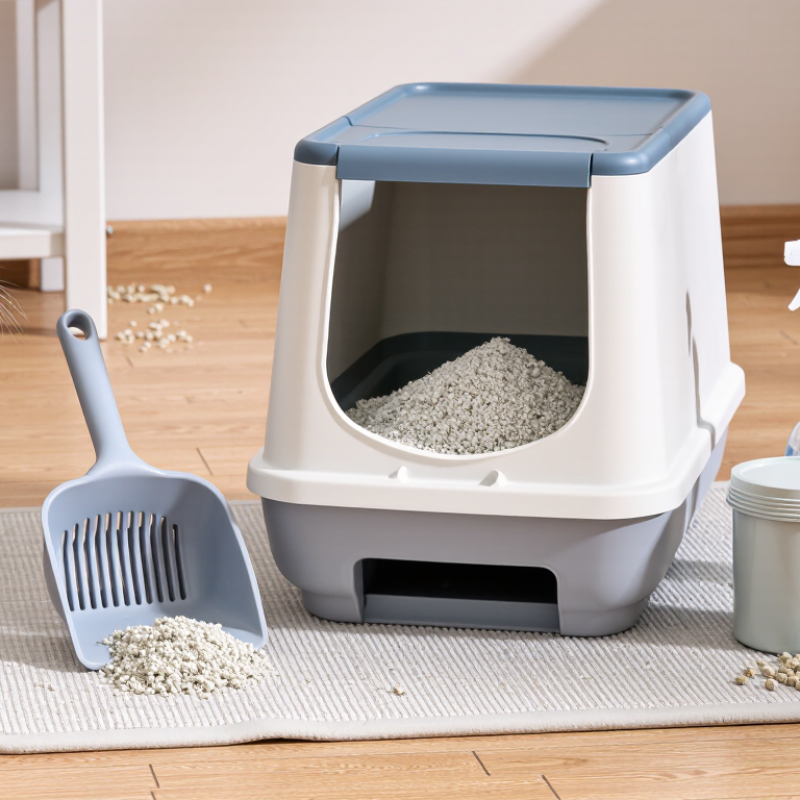
How To Make Litter Box Cleaning Easier For Cat Owners
Choosing the Right Litter Box and Location
The right litter box can reduce mess before cleaning begins. I once chose a covered box for appearance, but my cat avoided it. The opening felt narrow, and odors stayed trapped inside. A spacious, uncovered box is often easier for cats and owners. The cat should turn around comfortably without touching the sides.
The AAFP and ISFM Feline Environmental Needs Guidelines recommend one box per cat, plus one extra. Place them in quiet, easy-to-reach areas, not beside washing machines or busy doors. Keep food and water away from the box. A stable location also helps cats build predictable habits. The American Pet Products Association’s 2023–2024 National Pet Owners Survey reported 46.5 million U.S. households with cats. Small design choices therefore affect many homes. Still, the “one extra” rule is guidance, not a perfect law. Space, age, and mobility can change what works.
Tips: Choose a low-entry box for senior cats. Use a washable mat under the entrance. Keep a scoop nearby, so cleaning takes less than a minute. Remove waste daily, as veterinary behavior specialists commonly advise. I sometimes delay cleaning when mornings become rushed. That mistake quickly creates odors and tracking. Check the box weekly for cracks, stuck litter, or strong smells. A quiet corner may be practical, but observe your cat’s behavior. Their refusal is useful information.
| Decision Area | Practical Recommendation | Useful Benchmark | Cleaning Benefit | Important Consideration |
|---|---|---|---|---|
| Box Length | Choose a box that lets the cat enter, turn around, dig, and cover waste comfortably. | Aim for a box about 1.5 times the cat’s body length, excluding the tail. | More room reduces scattered litter and makes clumps easier to locate. | Measure the usable interior space, not only the outside dimensions. |
| Box Width | Select a wide base that allows the cat to turn without stepping on soiled areas. | The cat should be able to turn around without its body touching both sides. | A wider floor area helps keep waste away from walls and corners. | Large cats and cats with mobility limitations usually need additional floor space. |
| Entry Height | Use a low-entry box for kittens, older cats, or cats with joint and mobility problems. | The entry should be low enough for easy access while retaining enough wall height to limit spills. | Easy access supports consistent use and can reduce accidents outside the box. | A low front with higher sides can balance accessibility and litter containment. |
| Open or Covered Design | Start with an open box unless the cat clearly prefers a covered design. | The opening should not restrict entry, turning, or ventilation. | Open boxes make odor, waste, and litter levels easier to inspect quickly. | Some cats dislike enclosed spaces because odors can become concentrated inside. |
| Number of Boxes | Provide multiple boxes in multi-cat households and place them in separate areas. | A commonly recommended starting point is one box per cat, plus one extra. | Distributed boxes reduce overuse of one box and make waste buildup more manageable. | Boxes placed side by side may function like one station from a cat’s perspective. |
| Location Access | Place the box in a quiet, familiar area that the cat can reach at all times. | Avoid locations behind closed doors or areas with frequent interruptions. | Reliable access encourages regular use and makes cleaning routines predictable. | Do not place the box where a cat can be trapped or startled while using it. |
| Distance From Food | Keep litter boxes separate from food and water stations. | Use a different area or room whenever the home layout allows. | Separation helps limit odor, tracked litter, and contamination near feeding areas. | Avoid placing food directly beside or immediately in front of the box. |
| Floor Surface | Set the box on a stable, level, easy-to-wipe surface. | Nonporous flooring is generally easier to clean than carpet or unfinished wood. | A smooth surface makes spilled litter and tracking easier to sweep or vacuum. | Use a suitable litter mat without creating a raised or unstable entry point. |
| Ventilation | Choose a reasonably ventilated location without placing the box in a drafty passage. | Allow air circulation while keeping the box away from high-traffic household equipment. | Better airflow can reduce odor concentration and make missed cleaning more noticeable. | Strong fragrances and air fresheners may discourage some cats from using the box. |
| Litter Depth | Begin with a moderate, even layer and adjust based on the cat’s digging habits. | Many cats accept approximately 5–7 cm of litter, although preferences vary. | Adequate depth helps urine clumps form without excessive litter waste. | Too much litter can increase tracking; too little may cause waste to stick to the base. |
| Cleaning Access | Choose a box with smooth, accessible surfaces and no hard-to-reach crevices. | The entire interior should be easy to inspect and wash without special tools. | Simple shapes reduce residue buildup and shorten routine cleaning time. | Replace cracked or heavily scratched plastic because damaged surfaces can retain odor. |
| Daily Maintenance | Remove urine clumps and feces at least once daily, with more frequent scooping when needed. | A quick inspection after busy periods or after each cat uses the box can help prevent buildup. | Frequent removal keeps the box cleaner and reduces odor before it becomes difficult to manage. | Wash hands after handling litter and follow local guidance for disposal. |
Choose a spacious, uncovered box. Your cat should turn around without touching the sides. Covered boxes may trap odors and feel narrow.
A common guideline is one box per cat, plus one extra. Space, age, and mobility can change this. It is guidance, not a perfect law.
Use a quiet, accessible corner away from busy doors and washing machines. Keep food and water separate. Stable locations support predictable habits.
Choose larger, firm-clumping granules with low dust. Place a textured mat beneath the entrance. Deep grooves can catch particles from paws.
Scoop waste at least once daily. Keep a scoop nearby for quick cleaning. I sometimes delay morning cleaning, and odors appear quickly.
Use a wide, high-sided box and a slotted scoop. A washable mat protects the floor. A lidded waste container can reduce odors, but empty it often.
Around five to seven centimeters usually supports firm clumping. Overfilling may increase tracking. Observe the box and adjust gradually.
Use mild, unscented soap, then dry the box completely. Strong cleaners may leave smells that discourage use. Cleaner is not always better.
Treat refusal as useful information. Check the opening, location, litter texture, dust, and odors. I once chose appearance over comfort, and my cat disagreed.
Yes, a low entrance can make access easier for senior or less mobile cats. Watch their movement closely. Small changes matter.
How To Make Litter Box Cleaning Easier starts with choosing a box that suits your cat’s size and habits, then placing it in a quiet, accessible location with good ventilation. Low-mess litter, a sturdy scoop, a mat, disposable gloves, and a nearby waste container can make everyday maintenance faster and more organized. Selecting litter that clumps well and stays inside the box also helps reduce spills and tracking.
A simple daily routine is the key to keeping the area fresh. Remove waste regularly, top up the litter when needed, and wipe surrounding surfaces promptly. Periodically, empty the box completely, wash it with mild soap and water, rinse it thoroughly, and let it dry before refilling. Good ventilation, covered waste storage, and a mat outside the box can further control odors and loose litter, creating a cleaner, more comfortable home for both cats and their owners.

 Webvet Pet