How To Keep Litter Boxes Clean For Multiple Cats?

Time:2026-06-07 Author:Isabella
0%

Keeping litter boxes clean for multiple cats can be quite a challenge. According to Dr. Sarah Johnson, a leading expert in feline health, "Maintaining clean litter boxes is crucial for the well-being of your cats." She emphasizes the need for proper hygiene and cleanliness in multi-cat households. This is where the question of "How To Improve Litter Box Hygiene For Multiple Cats" becomes vital.

Many cat owners underestimate the impact of litter box conditions on their pets. Each cat has unique preferences, and cleanliness plays a significant role in their overall happiness. A dirty litter box can lead to behavioral issues and even health problems. It’s essential to provide enough boxes for your feline friends. The general rule is one box per cat, plus one extra.

Regular cleaning routines are important. Aim to scoop daily and replace the litter weekly. Consider using covered litter boxes to minimize mess but be cautious; some cats prefer open spaces. Ultimately, keeping multiple litter boxes clean requires attention to detail and an understanding of your cats’ needs. Reflecting on these factors can lead to a healthier environment for your pets.
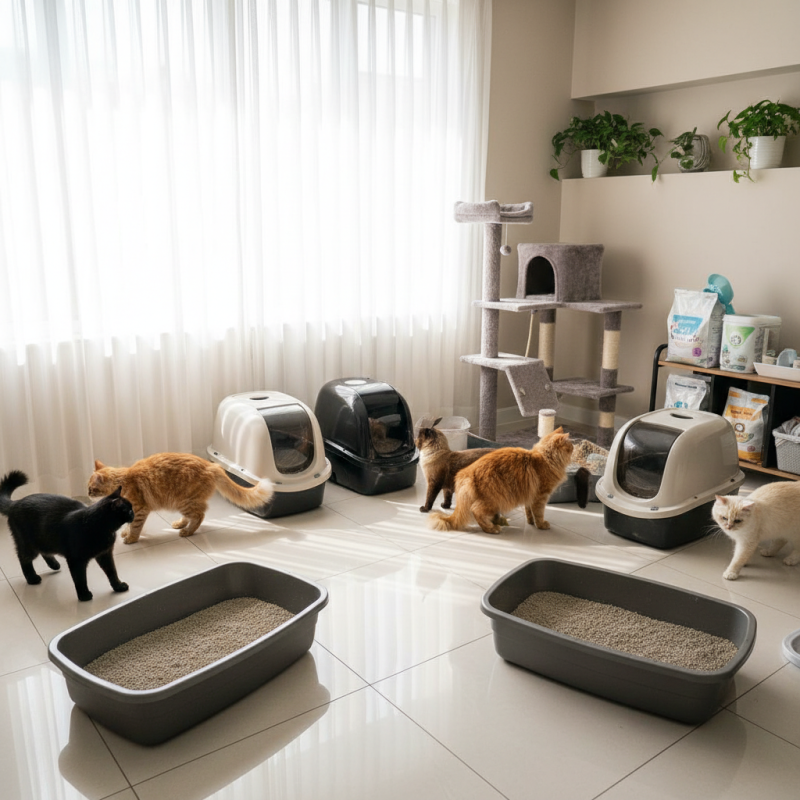
How To Keep Litter Boxes Clean For Multiple Cats?

Understanding the Importance of Clean Litter Boxes for Cat Health

Keeping litter boxes clean is crucial for cat health. Cats are sensitive animals, and a dirty litter box can lead to stress and anxiety. This may result in undesirable behaviors like inappropriate urination. A clean environment promotes better hygiene and reduces the risk of urinary tract infections and other health issues.

To maintain cleanliness, scoop the litter boxes daily. This simple task ensures waste is promptly removed, preventing odors and keeping the box inviting. Use a high-quality litter that absorbs moisture well and masks smells. Regularly change the litter entirely and wash the boxes with mild soap to eliminate bacteria. This keeps the environment fresh and safe.

Monitor your cats’ habits. If you notice any changes, it might be due to a dirty box. Cats may refuse to use a dirty litter box, leading to accidents. Consider having one box per cat, plus one extra. This prevents overcrowding and promotes a more hygienic space. A clean litter box not only keeps your cats healthy but also creates a pleasant home environment for everyone.

Choosing the Right Litter Box Size and Type for Multiple Cats

Choosing the right litter box size and type is crucial for households with multiple cats. According to a survey by the American Association of Feline Practitioners, more than 50% of cat owners encounter issues with litter box cleanliness. This problem often stems from inadequate box size or type, leading to household tension among cats.

For multiple cats, larger litter boxes are essential. A box should be one and a half times the length of the longest cat. This size allows ample space for movement, reducing stress. The depth matters too; a box that is at least 5-7 inches deep helps contain litter and prevents spills. Covered boxes may seem like a good idea, but many cats prefer open designs. Studies indicate that over 70% of cats prefer an open box, likely due to better ventilation and easy access.

Different types of litter also play a role. Clumping litters are often preferred by cats because they control odor effectively. However, some cats might be sensitive to dust or fragrances. It’s essential to consider individual preferences. Monitoring your cats' behavior is key. If a cat avoids the box, it may signal dissatisfaction with size or litter type. Creating a comfortable environment involves trial and error, emphasizing the importance of understanding each cat’s needs.

Establishing a Regular Cleaning Routine: Best Practices and Frequencies

Keeping litter boxes clean for multiple cats is essential for their health and happiness. Establishing a regular cleaning routine can help manage odors and prevent conflicts between your feline friends. Most experts recommend scooping litter boxes at least once a day when you have multiple cats. This not only maintains cleanliness but also encourages your cats to use the boxes more willingly.

In addition to daily scooping, a thorough clean should occur weekly. Remove all litter, wash the box with mild soap, and replace it with fresh litter. If you notice any excess odor or waste buildup, consider increasing the cleaning frequency. Not every pet owner has the time or energy for a flawless routine, and that's okay. Finding the balance between cleanliness and practicality is key.

Establishing a schedule helps. Mark cleaning days on a calendar to create accountability. But, if life gets busy, don’t be too hard on yourself. Cats can be surprisingly tolerant, but a dirty box can lead to behavioral issues. By committing to a regular routine, you not only ensure a clean environment but also promote a healthier lifestyle for your cats.

Selecting the Most Effective Cat Litter for Odor Control and Clumping

When caring for multiple cats, selecting the right litter is crucial for odor control and clumping. Research indicates that a high-quality, clumping cat litter can reduce unpleasant smells significantly. An effective litter will form solid clumps, making it easier to scoop waste daily. This not only improves hygiene but also keeps the environment fresh for both cats and their owners.

The choice of litter material is vital. Many experts suggest looking for natural options, such as clay or plant-based litters. These options often offer superior odor control and are better for the environment. A study by the Cat Fanciers' Association found that 70% of felines prefer clumping litter. Cats are sensitive to scents and may avoid using the litter box if the smell is overwhelming. Regular cleaning and the right litter can help foster a healthy bathroom routine for your cats.

While using clumping litter provides many benefits, some owners encounter challenges. Litter dust can be irritating to both cats and humans. Regularly monitoring for dust levels can help mitigate respiratory issues. It's also essential to observe your cats' behavior. If a cat is hesitant to use the box, reassessing the litter type may be necessary. Maintaining cleanliness and comfort for your pets requires ongoing effort and attentiveness.

Implementing Additional Strategies: Litter Box Placement and Number of Boxes

When managing litter boxes for multiple cats, placement is crucial. Each box should be placed where cats feel secure. Avoid high-traffic areas. Cats value privacy. Consider placing boxes in quiet corners or separate rooms. This respect for their space encourages use and reduces stress.

The number of boxes is equally important. A common rule is one box per cat, plus one extra. This helps prevent territorial disputes. If cats feel crowded, they might refuse to use a box. Monitor usage patterns. If one box is consistently ignored, consider relocating it or adding another. Experiment with different setups until you find what works best.

Maintaining cleanliness is essential for health. Regularly scoop boxes, ideally twice a day. A box filled with clean litter invites use, while a dirty one does not. However, it’s easy to overlook this task with busy lifestyles. Reflect on your routine. Are you prioritizing litter box maintenance? Each small adjustment can lead to happier, healthier cats.

How To Keep Litter Boxes Clean For Multiple Cats?

FAQS

: What is the ideal size for a litter box with multiple cats?

: A litter box should be one and a half times the length of the longest cat.

How deep should a litter box be for effectiveness?

A depth of 5-7 inches is recommended to contain litter and prevent spills.

Do cats prefer open or covered litter boxes?

Studies show over 70% of cats prefer open boxes for better ventilation and access.

How often should I scoop the litter box for multiple cats?

It's best to scoop at least once a day to keep the boxes clean and reduce odors.

What is a good frequency for a thorough clean of the litter box?

A thorough clean should be done weekly to maintain hygiene and odor control.

How can I improve my cleaning routine for litter boxes?

Mark cleaning days on a calendar to create accountability, but be realistic about your schedule.

What type of litter is best for odor control?

High-quality, clumping litter helps reduce odors and makes it easier to scoop waste.

Are there specific litter materials that are preferred?

Natural options like clay or plant-based litters often offer better odor control.

What issues can arise from using clumping litter?

Some litter dust can irritate both cats and humans, so monitor dust levels regularly.

How can I tell if my cat is unhappy with the litter box?

If a cat avoids the box, it might signal dissatisfaction with size or litter type.

Conclusion

Keeping litter boxes clean for multiple cats is essential for their health and well-being. Understanding the importance of maintaining hygiene can significantly reduce the risk of infections and behavioral issues. The first step is to choose litter boxes that are appropriately sized and suited for the number of cats in the household. A regular cleaning routine is vital, and best practices include scooping daily and changing the litter frequently to keep odors and mess at bay.

To further improve litter box hygiene for multiple cats, selecting effective cat litter that controls odors and clumps well is crucial. Additionally, considering the placement of litter boxes and ensuring there are enough boxes for each cat can mitigate territorial disputes and promote cleanliness. By implementing these strategies, cat owners can create a healthier environment for their pets, ensuring every cat feels comfortable using the litter box.

Isabella

Isabella

Isabella is a dedicated marketing professional with a sharp focus on driving brand growth and engagement through strategic content creation. With an extensive background in digital marketing, she combines her passion for storytelling with her keen understanding of industry trends to deliver......