Keeping a cat litter box clean is vital for both pet health and household hygiene. According to the American Veterinary Medical Association, 15% of cats will develop health issues related to a dirty litter box. Furthermore, a 2021 study found that 70% of cat owners are unaware of the proper cleaning techniques for litter boxes. This lack of knowledge can lead to unpleasant odors and unsanitary conditions that affect both cats and their owners.
How to Maintain a Hygienic Litter Box Environment requires a thorough understanding of cat behavior and hygiene practices. Regular scooping is essential, ideally done daily, to remove waste and clumps. A clean litter box reduces the risk of infections and promotes better bathroom habits in cats. Additionally, using the right type of litter and a high-quality box significantly impacts cleanliness.
However, many cat owners may overlook cleaning responsibilities. Some may believe a weekly clean is sufficient, which is far from ideal. It's crucial to reflect on these habits to ensure a healthy environment for both the feline family member and the household. Investing time in this daily routine fosters a happier, healthier pet.
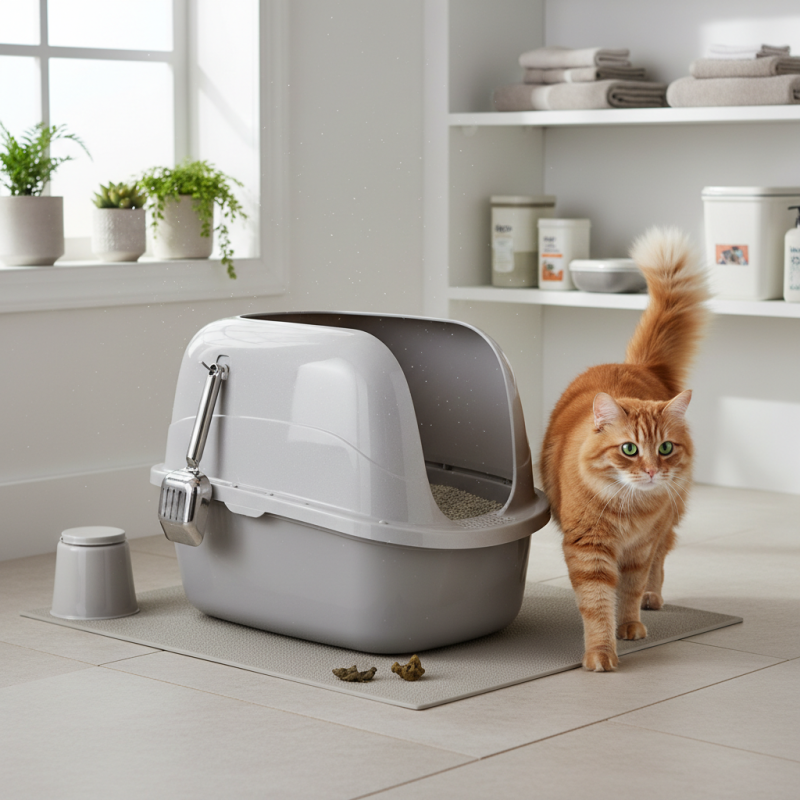
Maintaining a clean litter box is crucial for your cat's health. Cats are naturally clean animals. A dirty litter box can lead to stress and health problems. Unhygienic conditions encourage bacteria growth. This can result in urinary infections and other issues.
Tips for keeping the litter box clean include scooping daily. This simple action removes waste promptly. If you notice odors, consider changing the entire litter more frequently. It’s also wise to wash the box with mild soap regularly. Use warm water, and avoid harsh chemicals that could harm your cat.
Your cat may refuse to use a dirty box. This behavior can lead to undesirable habits, like soiling your home. Regularly check the litter level. Cats prefer their litter to be several inches deep. If the box seems neglected, it might be time for a thinking moment. Reflect on how often you're cleaning it and adjust accordingly.
Choosing the right cat litter type is crucial for maintaining optimal hygiene and controlling odors. There are several options available, each with unique properties. Clumping litter is popular because it makes it easier to scoop waste. Non-clumping types can absorb moisture well but may require more frequent changes.
Consider using natural litters, like those made from recycled paper or plant materials. They are often biodegradable and less likely to irritate your cat's paws. While these options may not control odors as well as clay-based ones, they are better for the environment. You might find that some cats have preferences, making it essential to experiment with different types to find the right fit.
When selecting a litter, think about dust levels too. Some litters produce more dust, which can affect both you and your cat. If your cat starts sneezing, it may be time to reconsider your choice. Keep an eye on how your cat reacts to different brands. Finding a balance between effective odor control and your pet's comfort may take time and patience. Adjusting your litter choice based on your observations will lead to a cleaner, happier environment for you and your feline friend.
| Litter Type | Material | Odor Control | Clumping Ability | Dust Level | Biodegradable |
|---|---|---|---|---|---|
| Clay Clumping | Natural Clay | Excellent | High | Low | No |
| Silica Gel | Silica Crystals | Good | No | Very Low | No |
| Wood Pellets | Recycled Wood | Fair | Moderate | Low | Yes |
| Paper | Recycled Paper | Good | No | Very Low | Yes |
| Corn | Cornstarch | Excellent | Moderate | Low | Yes |
Establishing a regular cleaning schedule for your cat's litter box is vital for maintaining a hygienic environment. According to the American Society for the Prevention of Cruelty to Animals (ASPCA), a dirty litter box can lead to behavioral issues in cats, including refusal to use it. Experts recommend scooping the box at least once a day. This daily activity can reduce odor and mess significantly.
Studies show that 50% of cat owners clean their litter boxes less often than recommended. Many factors contribute to this. Busy lifestyles or simply forgetting can lead to an unkempt box. A clear schedule can help. For instance, setting reminders on your phone can encourage daily scooping. The litter itself should be changed weekly to prevent clumping and bacteria growth.
Additionally, consider the location of the litter box. It should be easily accessible yet private. It's also essential to use the correct type of litter. Unsuitable litter can deter cats from using the box altogether. Reflecting on your current cleaning routine can be beneficial. Are you missing days? Are there areas for improvement? Regularly revisiting your approach will ensure your cat remains healthy and happy.
Keeping your cat's litter box clean is essential for both your cat's health and your home's hygiene. Regular maintenance is crucial. Cats are sensitive creatures. A dirty litter box can lead to stress and even health issues. According to the American Veterinary Medical Association, maintaining cleanliness can reduce litter box aversion by 30%.
Deep cleaning goes beyond simple scooping. Empty the litter box completely. Wash it with warm, soapy water. Rinse thoroughly to remove any residue. Using a mixture of vinegar and water can eliminate odors effectively. Allow the box to dry completely before adding fresh litter. Consider using a litter that absorbs moisture well. This can reduce the frequency of necessary cleanings.
Tips: Inspect the litter box regularly. Look for any signs of wear or damage. A worn box can harbor bacteria. Ensure your cat is comfortable with the size and shape of the box. Every cat has preferences. Research indicates almost 20% of cats refuse to use a box due to its condition.
Remember, a clean litter box reflects on your cat's well-being. Aim for at least a weekly deep clean. This consistency keeps both your cat and home healthier.
Maintaining a clean and hygienic litter box is essential for a cat's health. Many cat owners make common mistakes that can lead to unsanitary conditions. Research shows that 36% of cats reject dirty litter boxes. This highlights the importance of regular maintenance. Dirty boxes can lead to issues such as urinary tract infections and behavioral problems.
One common mistake is not scooping the litter box daily. A study from the Journal of Feline Medicine demonstrates that 75% of cat owners neglect this crucial step. Leaving waste for too long allows bacteria to thrive. Another mistake is using the wrong type of litter. Some litters don't clump well, making cleanup challenging. Clumping litter can significantly reduce odors and make maintenance easier.
Overlooking the box's location can also be detrimental. Placing it in a hidden or difficult-to-reach spot may discourage your cat from using it. Additionally, cleaning the box too infrequently can create a breeding ground for harmful bacteria. Experts recommend a full wash of the box weekly. Avoiding these pitfalls is key to ensuring a healthy environment for your feline friend. Regular cleaning and the right practices can keep your cat content and prevent health issues.
: A clean litter box prevents stress and health issues, such as urinary infections. Cats are clean animals by nature.
Ideally, scoop the litter box daily to remove waste and reduce odors.
Change the entire litter more frequently. Wash the box with mild soap and warm water regularly.
Cats prefer their litter to be several inches deep. Regularly check the level to ensure comfort.
Clumping litter makes scooping easier; non-clumping options absorb moisture well. Experiment to find the best fit for your cat.
Set daily reminders to help you remember to scoop the litter box. Consider your lifestyle when creating a schedule.
Unsuitable litter can deter cats from using the box. Observe your cat's reactions to different types.
Choose low-dust litters to avoid respiratory discomfort for you and your cat. Monitor sneezing as a sign of irritation.
Change the litter weekly to prevent clumping and bacteria growth. Adjust if you see signs of neglect.
Consider how often you clean and any missed days. This reflection can help improve your cat's environment.
A clean litter box is essential for maintaining the health and well-being of your cat, as it prevents the spread of bacteria and ensures a pleasant environment. Understanding the importance of a hygienic litter box is the first step in ensuring your cat's safety. Choosing the right litter type plays a crucial role in odor control and overall cleanliness.
To effectively maintain a hygienic litter box environment, it’s important to establish a regular cleaning schedule based on expert recommendations. This includes daily scooping and periodic deep cleaning to eliminate odors and residues. Additionally, being aware of common mistakes, such as neglecting deep cleaning or selecting inappropriate litter, can help ensure the longevity of the box and the health of your feline friend. Ultimately, knowing how to maintain a hygienic litter box environment is vital for a healthy and happy cat.

Webvet Pet