What Are The Health Risks Of Dusty Cat Litter? This question is becoming increasingly relevant among pet owners. According to the American Veterinary Medical Association, a significant percentage of households in the U.S. own cats. Many of these cat owners are unaware of the hidden dangers posed by dusty cat litter.
Dusty litter can release harmful particles into the air, leading to respiratory issues. The National Institutes of Health report that prolonged exposure to these airborne particles may contribute to lung inflammation and allergies. Cat owners, especially those with pre-existing conditions, should be particularly cautious.
Moreover, certain types of litters contain chemicals that may pose additional health risks. While some brands advertise as low-dust or hypoallergenic, not all are created equal. Reflecting on our choices in cat litter can lead to healthier environments for both pets and owners. It's essential to stay informed and make wise selections that prioritize health. Understanding "What Are The Health Risks Of Dusty Cat Litter" can help improve our living conditions significantly.
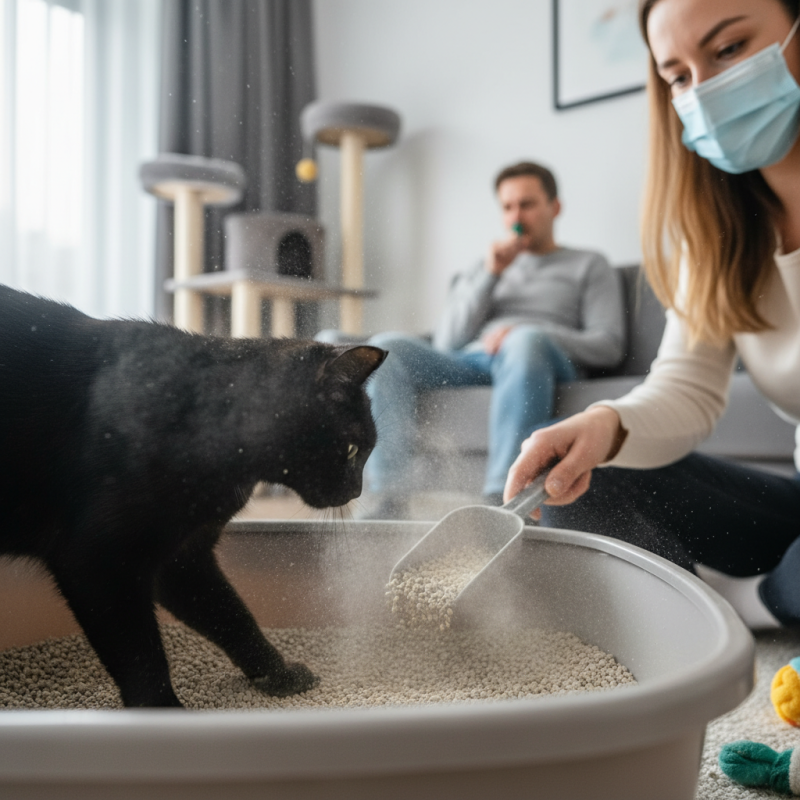
Dusty cat litter can pose significant health risks, particularly regarding respiratory issues. When cats dig through their litter, dust particles are released into the air. These particles often contain harmful bacteria, allergens, and silica dust. A study published in the *Journal of Environmental Health* found that exposure to such dust can lead to respiratory problems, especially in sensitive individuals like children and the elderly.
Prolonged exposure to dusty litter may trigger asthma or exacerbate existing conditions. According to the American Academy of Allergy, Asthma, and Immunology, nearly 8% of adults in the U.S. suffer from asthma. They are at an increased risk if exposed to airborne irritants. A report from the Environmental Protection Agency highlighted that indoor air quality can worsen due to high levels of particulate matter, often stemming from household products, including certain types of cat litter.
Choosing low-dust options is essential for pet owners. However, even low-dust litter can still release some harmful particles. It’s crucial to clean litter boxes regularly, as stagnant dust can accumulate over time. Regular maintenance not only protects your health but also keeps your home environment healthier for everyone. Implementing proper ventilation in the litter area can also help reduce the risk significantly.
Toxoplasmosis is a serious health concern for cat owners. This parasite, commonly found in cat feces, can cause severe health issues. In fact, many people are unaware of the risks associated with handling cat litter. Toxoplasma gondii is the name of the parasite in question. It is often harmless to healthy adults but can pose a significant threat to pregnant women and individuals with weakened immune systems.
When cleaning cat litter, contact with contaminated feces can occur. This can lead to accidental ingestion of the parasite. Symptoms may include fever, headache, and fatigue. In some cases, Toxoplasmosis can lead to complications like eye damage and affect the nervous system. It is important to use gloves and wash hands thoroughly after handling litter to reduce exposure.
Proper litter box maintenance is crucial for safety. Regular cleaning helps minimize the risk of infection. Opting for disposable litter bags can lessen contact with waste. Additionally, maintaining a tidy environment for your cat is essential. If symptoms develop or concerns arise, consulting a healthcare professional is vital. Awareness is key in managing the risks associated with cat litter and keeping both owners and felines healthy.
| Health Risk | Description | Symptoms | Prevention |
|---|---|---|---|
| Toxoplasmosis | A parasitic infection that can affect humans. | Flu-like symptoms, muscle aches, fatigue. | Avoid handling litter, wash hands thoroughly. |
| Respiratory Issues | Dust particles can irritate lungs and airways. | Coughing, wheezing, shortness of breath. | Use low-dust litter and maintain ventilation. |
| Allergic Reactions | Allergic responses to litter materials or dust. | Sneezing, itchy eyes, skin rashes. | Choose hypoallergenic litter options. |
| Bacterial Infections | Bacteria can thrive in soiled litter. | Nausea, fever, diarrhea. | Regularly clean litter and wash hands. |
| Parasitic Infections | Parasites like roundworms can be in feces. | Abdominal pain, weight loss, fatigue. | Keep litter clean and monitor cat health. |
| Chemical Exposure | Exposure to additives in some litters. | Headaches, nausea, skin irritation. | Select natural or chemical-free litter. |
| Zoonotic Diseases | Diseases transmitted from cats to humans. | Varies by disease but can include serious conditions. | Practice good hygiene when handling litter. |
Cat litter dust can pose significant health risks, especially for those with allergies. This dust contains tiny particles that can irritate the respiratory system. When cat litter is disturbed, microscopic dust particles are released into the air. Breathing in these particles can trigger allergic reactions in sensitive individuals. Symptoms may include coughing, sneezing, and nasal congestion.
Moreover, repeated exposure to dusty litter can worsen existing conditions like asthma. Some people may develop new allergies to the components found in the litter. It's essential to recognize that not all cat litters produce the same amount of dust. Some may be labeled as low-dust or dust-free, but these terms can be misleading. Regularly monitoring your cat’s litter box habits can help you identify any changes in respiratory health within your household.
Remember, keeping the litter box clean can reduce dust and allergens. You might consider wearing a mask or gloves while changing the litter. This added precaution can minimize your exposure to harmful dust. Maintaining good ventilation in your living space is equally important. It’s a simple yet effective way to ensure better air quality. Adopting these practices helps create a healthier environment for both you and your pet.
Cat litter can pose health risks due to dust and bacteria. It can lead to respiratory issues in both cats and humans. To mitigate these dangers, specific preventative measures are essential.
Regularly cleaning the litter box is crucial. Daily scooping minimizes odor and waste buildup. Consider using a litter box with higher sides to reduce spillage. This simple step can help keep dust contained. Choose dust-free litter options whenever possible. These products produce less airborne dust, making a significant difference.
It's also beneficial to maintain proper ventilation in the area where the litter box is placed. A well-ventilated room helps disperse dust and odors. Additionally, wash your hands after handling cat litter. This action can prevent bacteria from spreading. Ensuring your cat is healthy and has regular vet check-ups can also reduce health risks associated with litter.
Dust levels in cat litter can significantly affect health. According to the American Veterinary Medical Association (AVMA), high dust levels in litter can lead to respiratory issues in both cats and humans. Studies indicate that fine particulate matter may contain harmful bacteria and allergens. The World Health Organization (WHO) suggests keeping dust exposure below 5 milligrams per cubic meter for better respiratory health.
Tips: Choose low-dust litter options. Look for products labeled as “dust-free.” These types tend to have larger granules, reducing dust when used.
A report by the Centers for Disease Control and Prevention (CDC) highlights that prolonged exposure to dusty environments can exacerbate asthma and other chronic respiratory diseases. Cats are particularly sensitive to dust in their litter boxes. It's essential to monitor the hygiene of your cat’s environment regularly. Ensure respiration remains easy for both you and your furry friend.
Tips: Clean the litter box daily. Regularly change out the litter to minimize dust accumulation. Consider wearing a mask while handling litter to protect your lungs.
: Dusty cat litter can lead to respiratory issues. It releases harmful bacteria, allergens, and silica dust into the air.
Sensitive individuals, such as children and the elderly, are at higher risk for respiratory problems from dusty litter.
Litter boxes should be cleaned daily. Regular maintenance helps prevent dust accumulation and promotes a healthier home.
Symptoms may include coughing, wheezing, or shortness of breath. Monitor health closely if exposed to dusty environments.
Choose low-dust or dust-free litter. Larger granules produce less dust when used, reducing health risks.
Yes, proper ventilation in the litter area significantly reduces the risk of respiratory issues. It helps maintain better air quality.
Prolonged exposure to dust can trigger asthma attacks or worsen existing conditions in those already affected by asthma.
Yes, wearing a mask can protect your lungs from dust and reduce the risk of respiratory problems when handling litter.
Yes, keeping dust exposure below 5 milligrams per cubic meter is recommended for better respiratory health by WHO.
Neglecting litter maintenance can lead to increased dust accumulation, worsening air quality, and potential health risks for both pets and humans.
Dusty cat litter can pose several significant health risks that cat owners should be aware of. One major concern is the potential for respiratory issues, as inhaling dust from litter can exacerbate conditions such as asthma and allergies. Furthermore, cat litter may carry the parasite Toxoplasma gondii, leading to toxoplasmosis, which presents a hidden danger, especially for pregnant women and immunocompromised individuals. Additionally, the dust generated from certain litters can trigger allergic reactions in sensitive individuals.
To mitigate these risks, it is crucial to adopt preventative measures, such as choosing low-dust litter options and maintaining a clean litter box environment. Moreover, understanding the industry standards regarding dust levels in cat litter can help cat owners make informed choices about the products they use. In summary, it's essential to consider "What Are The Health Risks Of Dusty Cat Litter" to ensure both human and feline health in households.

Webvet Pet