The environmental impacts of cat litter disposal have garnered increasing attention in recent years. With approximately 94 million pet cats in the United States alone, a significant amount of cat litter is used and subsequently discarded each year. According to the National Resources Defense Council, over 2 million tons of cat litter end up in landfills annually. This poses serious ecological challenges as most traditional litters are made from clay, which is non-biodegradable.
What Are The Environmental Impacts Of Cat Litter? Studies indicate that clay mining for cat litter contributes to habitat destruction and pollution. Additionally, many litters release harmful substances during decomposition, affecting soil and water quality. Some brands use chemical additives that may harm both pets and their owners.
Despite a growing preference for eco-friendly alternatives, many cat owners remain unaware of the implications of their choices. Biodegradable litters are available, but they may not be widely adopted. Efforts to promote recycling and responsible disposal methods are essential. Cat owners need to reconsider their litter choices. Awareness and education can lead to better environmental practices in pet care.
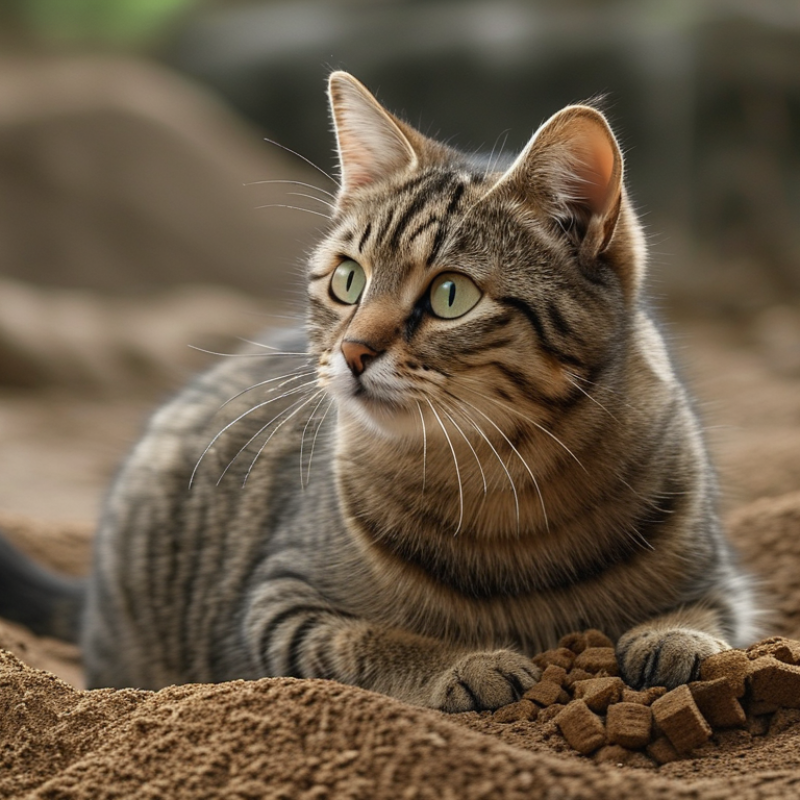
Environmental Impact of Cat Litter Disposal: An Overview
The environmental impact of cat litter disposal is significant and often underestimated. A recent study by the International Cat Care organization indicates that cat litter contributes to nearly 2 million tons of waste in landfills each year. This waste decomposes slowly, releasing harmful gases into the atmosphere. Moreover, many litters contain clay sourced from strip mining, which destroys habitats and disrupts ecosystems.
Biodegradable options exist but come with challenges. Many cat owners may overlook them, favoring traditional clumping litters. Research shows that only about 10% of cat litter sold is biodegradable. This leads to an accumulation of non-biodegradable materials in landfills, increasing the strain on waste management systems.
Additionally, improper disposal practices exacerbate environmental issues. Many people flush cat litter, which can contaminate waterways. A significant percentage, around 30%, of cat owners report disposing of litter in this manner, unaware of the negative impact.
Awareness and education are crucial in promoting responsible disposal practices to mitigate these environmental concerns.
Decomposition and Landfill Issues Related to Cat Litter Waste
Cat litter waste presents significant challenges when it comes to disposal. Many cat owners use clay-based litters, which are primarily composed of sodium bentonite. This material is strip-mined, causing habitat destruction and contributing to soil degradation. When disposed of in landfills, cat litter can take years to decompose. In fact, it may persist in the environment much longer than we expect.
Landfills face issues as well. Cat litter can produce methane, a potent greenhouse gas during decomposition. This gas contributes heavily to climate change. Some litters contain additives that might not break down easily, prolonging their harmful impact. Moreover, the disposal of cat litter often leads to leachate, a toxic liquid. This can seep into groundwater, potentially contaminating local ecospheres. These environmental implications require urgent attention.
Many pet owners may not realize the long-term effects they cause. It raises questions about responsible pet ownership and sustainable practices. The reality is we could do better. Exploring alternatives, such as biodegradable litter options, can reduce our ecological footprint. We must confront these issues to mitigate the environmental impacts of our choices.
Chemical Leaching from Clay-Based Cat Litters and Its Effects
The disposal of cat litter has significant environmental impacts, particularly with clay-based products. These litters often contain sodium bentonite, a substance that can leach harmful chemicals into soil and water systems. When disposed of improperly, the tiny granules can break down, releasing heavy metals and other toxins. These substances can persist in the environment for years, posing risks to wildlife and ecosystems.
Research indicates that leaching occurs primarily when litter is exposed to moisture. Rain or groundwater can wash away chemical residues, spreading them beyond the initial disposal site. This raises concerns for communities relying on local water sources. Many pet owners may not realize that improper litter disposal can contribute to contamination, highlighting the need for better awareness and practices.
Moreover, not all cat litter products are created equal. Some alternatives may have less environmental impact, but they aren't always well-known. Awareness of the implications of litter choice is lacking. Pet owners should consider biodegradable options or changes in disposal methods to mitigate these effects. Making informed decisions about cat litter is essential for protecting our environment.
What Are the Environmental Impacts of Cat Litter Disposal? - Chemical Leaching from Clay-Based Cat Litters and Its Effects
| Cat Litter Type |
Main Ingredients |
Chemical Leaching Potential |
Environmental Impact Rating (1-5) |
| Clay-Based |
Bentonite, Sodium, Clay |
High |
4 |
| Biodegradable |
Corn, Wheat, Recycled Paper |
Low |
2 |
| Crystal |
Silica Gel |
Medium |
3 |
| Coconut Husk |
Coconut Shell Fiber |
Very Low |
1 |
| Wood Pellets |
Compressed Sawdust |
Low |
2 |
Biodegradable Cat Litters: A Sustainable Alternative?
Biodegradable cat litters are emerging as a sustainable alternative to traditional clay-based options. According to a report from the Pet Sustainability Coalition, pet waste management accounts for significant environmental waste. Traditional litters often contain non-renewable materials and can take centuries to decompose in landfills. In contrast, biodegradable options made from materials like corn, wheat, and recycled paper break down in composting facilities within weeks to months. This shift can potentially reduce landfill waste significantly.
Tips: Look for litters labeled as "100% biodegradable" to ensure they meet sustainable standards. You may also consider switching to a litter box that allows for easy composting.
While biodegradable litters present a greener option, they are not devoid of challenges. Some pet owners find them less effective at odor control compared to conventional litters. Research indicates that performance can vary by brand and material used. Regularly monitoring your cat’s preferences can help in choosing the best option.
Tips: Test small amounts of different biodegradable litters to see which your cat prefers. Gradually introduce new types to avoid stress for your pet.
Environmental Impacts of Cat Litter Disposal
This chart illustrates the environmental impact scores of different types of cat litter, ranging from conventional clay litter to various biodegradable options. A lower score indicates a smaller environmental footprint, highlighting biodegradable litters as a more sustainable alternative.
Statistics on Cat Ownership and Waste Production in Urban Areas
Urban areas see a significant rise in cat ownership, leading to an increase in waste production. Statistics indicate that millions of households own cats, each generating substantial litter waste. This raises concerns about the environmental impacts of cat litter disposal. Improper disposal methods can add to landfill pressures and create serious ecological issues.
Many cat owners might not realize the scale of waste produced. In cities, cat litter contributes a notable portion of total waste. Using traditional clay litters can exacerbate these concerns, as they are not biodegradable. In contrast, biodegradable options may have a lesser environmental impact. Choosing these alternatives can be a step towards responsible pet ownership.
Tips for making eco-friendly choices:
- Consider using plant-based litter made from recycled materials. This type breaks down more easily compared to conventional options.
- Always dispose of litter properly; never flush it down the toilet.
- Educating yourself and others on sustainable practices is essential.
Small changes can lead to
significant environmental benefits over time.
Conclusion
The article titled "What Are the Environmental Impacts of Cat Litter Disposal?" explores the significant ecological consequences stemming from the disposal of cat litter. It outlines the challenges associated with decomposition and landfill management of cat litter waste, highlighting how traditional clay-based litters contribute to chemical leaching, which can negatively impact soil and water quality. Furthermore, it discusses the potential of biodegradable cat litters as a more sustainable alternative, which may reduce the overall environmental footprint.
Additionally, the article provides statistics on cat ownership and waste production in urban settings, emphasizing the need for more sustainable litter solutions given the increasing number of pet cats. By addressing these critical issues, the article calls for greater awareness and action towards environmentally-friendly practices in pet care.

 Webvet Pet