When it comes to cat care, a common concern for many cat owners is the intense smell emanating from litter boxes. Understanding what causes strong odor in cat litter boxes is essential for maintaining a fresh home environment. Dr. Emily Shaw, a veterinarian and litter box expert, notes, "Household odors can often highlight deeper issues with litter or health."
Several factors contribute to strong odors in litter boxes. The type of litter used plays a significant role. Some litters do not clump well, allowing moisture to escape. This can lead to bacteria growth, which intensifies unpleasant smells. Additionally, the frequency of changing the litter impacts odor control. Many cat owners may not recognize the importance of routine cleaning.
It is crucial to assess the litter box location and design as well. A poorly ventilated area can trap odors. Dr. Shaw emphasizes, "Proper maintenance and the right products can greatly reduce unwanted smells." Addressing these nuances can lead to a healthier space for both cats and their owners.
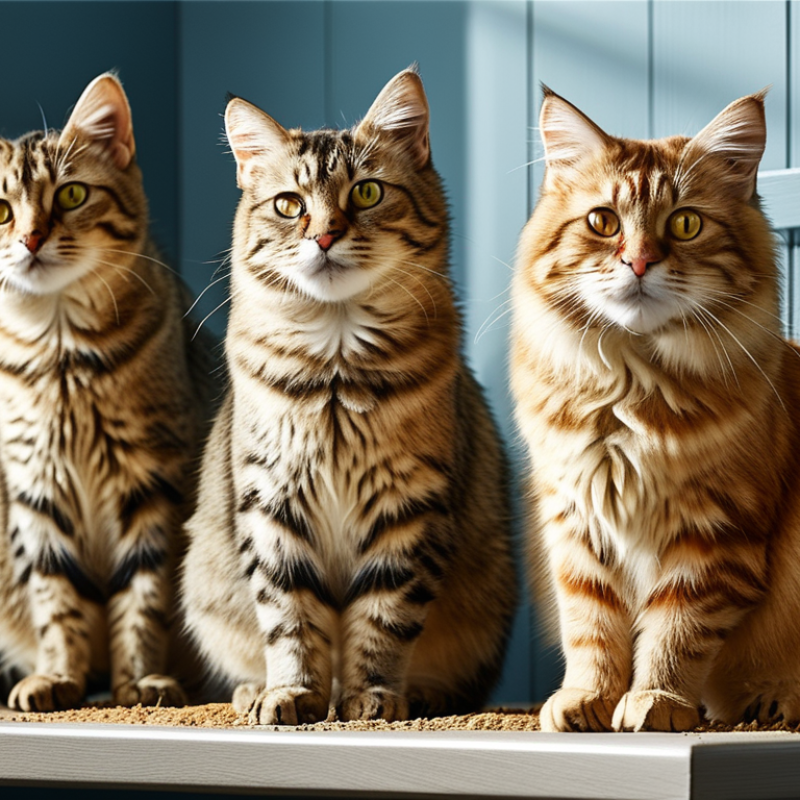
Understanding the sources of odor in cat litter boxes is crucial for maintaining a fresh environment. Cats are clean animals, but their waste can produce strong smells. The primary source of odor is urine, which contains ammonia. When cat urine is left in the litter box, it breaks down and releases potent odors over time. Feces also contribute to unpleasant smells, particularly if they are not scooped out regularly.
Another key factor is the type of litter used. Some litters may mask odors but are less effective at absorbing moisture. Clumping litters tend to encapsulate waste, potentially reducing smells. However, if the litter is not changed frequently, even the best products can fail. Humidity and temperature also play significant roles. In a warm and humid environment, odors can intensify quickly.
Cleaning habits are essential. Regular scooping is necessary, but deep cleaning the box every few weeks is often overlooked. Cats might refuse to use a dirty box, leading to issues. Understanding these factors can help in creating a more pleasant space for both pets and their owners. It's a challenge, but with the right knowledge, it can be managed effectively.
When it comes to choosing the right cat litter for odor control, it’s vital to consider materials that effectively lock in smells. Clumping litters often excel at this. They absorb moisture quickly, forming solid clumps. This makes it easier to remove waste and reduces lingering odors. Natural options like pine or paper can also help. They contain enzymes that neutralize odors naturally.
It’s worth noting that not all litters perform equally. Some may fail to control strong odors, leading to frustration. Experimenting with different types can be enlightening. Pay attention to how often your cat uses the box after a switch. Sometimes, cats have preferences. Choosing the right litter can significantly impact your home’s smell.
Vigilant maintenance is equally important. Regular cleaning prevents the buildup of odor. Scoop daily, and change the litter as needed. Even the best litter requires upkeep. If odors persist, mixing litters or trying different brands may be necessary. Adapting to your cat’s needs might take time, but it’s a reflection of good pet ownership. Remember, the goal is a fresh environment for both you and your feline friend.
Regular maintenance is crucial for eliminating strong odors in cat litter boxes. Cleaning your cat's litter box frequently prevents the buildup of waste and bacteria. Aim to scoop out clumps at least once a day. This simple habit can significantly reduce unpleasant smells. When litter becomes saturated, odors can intensify. Therefore, consider changing the entire box every week.
Using the right techniques is also important. Start by emptying the old litter into a trash bag. Clean the box with warm water and mild soap. Rinse thoroughly to eliminate any residues. After drying, add fresh litter to a suitable depth. Monitoring the litter’s condition can lead to a more pleasant environment for both you and your cat.
Do not forget to observe your cat's behavior. If they seem reluctant to use the box, there might be underlying issues. This could signal stress or a dislike for the current litter or box type. Regular maintenance is not just about cleaning; it’s about creating a comfortable space for your pet. Over time, you'll notice the difference in smell and your cat's happiness.
Dealing with strong odors from cat litter boxes can be challenging. Using natural remedies can significantly help in reducing these unpleasant smells. One effective solution is baking soda.
Sprinkling a layer on top of the litter can absorb moisture and odors. It’s a simple and affordable way to maintain freshness.
Another natural approach involves using essential oils. Certain oils, like lavender or tea tree, can mask odors and provide a pleasant fragrance. Just a few drops mixed into the litter can make a difference. However, make sure your cat isn't sensitive to these scents. Always observe their reaction after using any new additive.
Regular maintenance is crucial. Cleaning the litter box daily prevents odors from becoming overwhelming. Changing the litter weekly, combined with these natural remedies, can create a more pleasant environment.
Everyone wants a home that smells good. Experimenting with these methods may require some trial and error. Finding what works best for you and your cat takes time.
Creating an odor-free environment around your cat's litter box is essential for a pleasant living space. Regular cleaning is crucial. Scoop the litter daily to remove waste. Mold and bacteria thrive in damp conditions, so keep litter dry. Change the litter completely once a week. This practice helps minimize smells significantly.
Proper placement of the litter box also matters. Choose a well-ventilated area. Avoid corners where odors can linger. If possible, use a covered box to help contain smells, but make sure your cat is comfortable using it. A fresh layer of baking soda can be an effective odor neutralizer. Sprinkle it beneath the litter to absorb moisture and odors.
Be mindful of your cat's health. A sudden change in litter habits might indicate an issue. Watch for any signs of distress or discomfort. Cats may avoid using a smelly box, which can lead to elimination outside the box. Fostering a clean and inviting space encourages good habits. Each of these steps contributes to a fresher home.
| Tip | Description | Frequency | Effectiveness |
|---|---|---|---|
| Scoop Daily | Remove solid waste and clumps to minimize odors. | Daily | High |
| Change Litter Regularly | Replace all litter every week to freshen the box. | Weekly | Medium |
| Use Odor Neutralizers | Apply baking soda or commercial odor absorbers. | As Needed | High |
| Choose Quality Litter | Select clumping and odor-control litter options. | As Needed | High |
| Place Box in Well-Ventilated Area | Ensure good airflow to reduce odors. | Permanent | Medium |
| Wash Litter Box | Thoroughly clean the box with soap and water. | Monthly | High |
: The primary source of odor is cat urine, which contains ammonia and can produce strong smells over time.
Clumping litters absorb moisture and form solid clumps, reducing lingering odors. Natural options also neutralize smells.
Daily scooping is essential to remove waste and prevent odor buildup. Regular cleaning keeps the environment fresh.
Humidity and temperature can exacerbate smells. A warm, humid environment allows odors to develop quickly.
It’s advisable to change the litter completely once a week to minimize odors effectively.
A sudden change in litter habits may indicate discomfort. Monitor your cat and ensure the box is clean and inviting.
A covered box can help contain smells, but ensure your cat feels comfortable using it.
Sprinkling a layer of baking soda beneath the litter can absorb moisture and neutralize odors effectively.
Watch for signs of distress or refusal to use the box. These could indicate they dislike the litter or smell.
Not all litters perform equally. Different types may work better, depending on your cat's preferences and odor control needs.
The article titled "How to Eliminate Strong Odor in Cat Litter Boxes?" provides comprehensive insights into tackling the unpleasant smells often associated with litter boxes. It begins by addressing "What Causes Strong Odor In Cat Litter Boxes," identifying factors such as the type of litter used, frequency of cleaning, and the management of waste.
To combat these odors effectively, the article suggests selecting the right cat litter known for superior odor control, alongside maintaining a regular cleaning schedule with efficient techniques. Additionally, it explores natural remedies that can help neutralize odors and offers practical tips for creating an odor-free environment around the litter box. By understanding the sources of odor and employing effective strategies, cat owners can significantly reduce unpleasant smells and enhance the comfort of their living spaces.

Webvet Pet