Top Tips to Eliminate Litter Box Odor in Small Apartments?

Time:2026-05-22 Author:Oliver
0%

Living in a small apartment with a litter box can be challenging. The odor can quickly become overwhelming if not managed properly. According to Dr. Lisa Bennett, a veterinary behaviorist and expert on pet care, “Keeping your space fresh is crucial for your well-being and your cat's happiness.” Her insight emphasizes the importance of effective odor control.

Understanding how to prevent litter box smell in small apartments involves a few key strategies. Regular cleaning is essential. This means scooping daily and changing the litter regularly. Choosing the right litter is also important. Some options control odor better than others. You may want to try different types to find what works best for your space.

Another helpful tip is to place the litter box in a well-ventilated area. This can significantly reduce odors. Using air purifiers or odor absorbers can also make a difference. Remember, while each pet and space is unique, investing time in odor control is worthwhile. Small adjustments can lead to a more pleasant living environment for you and your pet.
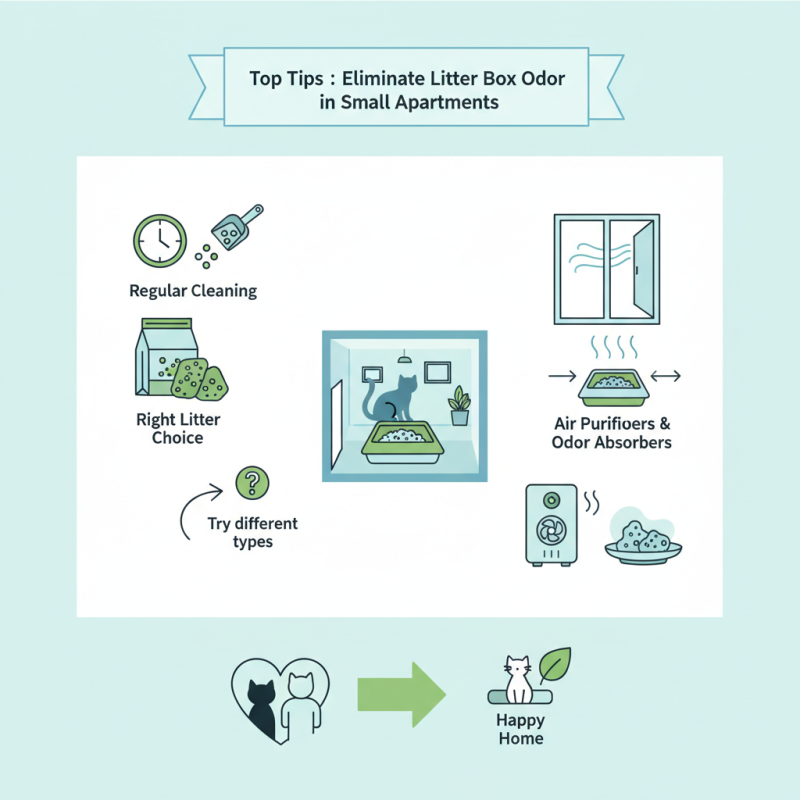
Top Tips to Eliminate Litter Box Odor in Small Apartments?

Understanding Litter Box Odor: Causes and Impact in Small Spaces

Litter box odor is a significant problem in small apartments. The confined space amplifies the smell, which can affect the quality of life. According to a study published by the Journal of Feline Medicine and Surgery, pet odors may lead to indoor air quality issues. Such odors can also exacerbate allergies and respiratory problems for residents.

Understanding the causes of litter box odor is crucial. The primary contributors are urine and feces. Bacterial growth in litter can result in ammonia buildup. A study by the American Veterinary Medical Association found that over 70% of cat owners experience odor-related issues. The National Institutes of Health highlighted the importance of regular cleaning to maintain air quality and minimize health risks.

Small apartments often lack effective ventilation. This can trap odors, causing them to linger. Active management is essential. Consider using odor-neutralizing litter, and frequently clean the box. The placement of the litter box is also key. Avoid high-traffic areas where odors can accumulate. Awareness of these factors can help mitigate unpleasant smells in your living space.

Choosing the Right Litter: Types and Their Effect on Odor Control

When it comes to managing litter box odor in small apartments, choosing the right litter is crucial. Many types of litter exist, each with distinct effects on odor control. Clay-based litters, for example, utilize sodium bentonite to absorb moisture, but they may release dust. According to a report by the American Veterinary Medical Association, clumping clay can reduce odors by up to 35%. However, this solution can sometimes lead to respiratory issues for pets or humans due to dust exposure.

Choosing natural alternatives can also be effective. Biodegradable litters, made from materials like corn or wood, are gaining popularity. These litters can effectively neutralize odors due to their natural enzymes. A study from the Journal of Feline Medicine and Surgery highlighted that these litters can outperform traditional options in controlling smell. They may require more frequent changes, which can be a drawback in busy households.

Tip: Regular cleaning of the litter box, regardless of the litter type, is essential. Daily scooping minimizes odor buildup and helps maintain an inviting atmosphere in a small space. Adding baking soda to the litter can further absorb odors. While some pet owners find that using multiple litter boxes improves odor control, it can be challenging in tiny apartments. Finding the right balance for your space is key.

Top Tips to Eliminate Litter Box Odor in Small Apartments

Choosing the right litter is crucial for maintaining odor control in small apartments. The chart above compares different types of litter based on their effectiveness in controlling odors. Biodegradable litter scores the highest, followed by silica gel and crystal litter.

Establishing a Regular Cleaning Routine for Litter Boxes

Establishing a regular cleaning routine for litter boxes is essential for maintaining a fresh environment in small apartments. Research indicates that nearly 63% of cat owners face odor issues when proper care is neglected. By cleaning the litter box at least once a day, you can significantly reduce unpleasant smells. This simple habit not only helps keep your space smelling better but also encourages your cat to use the box regularly.

Regularly changing the litter is equally important. Almost 30% of odor comes from soiled litter that hasn't been replaced in time. Depending on the type of litter used, most experts recommend a complete change every one to two weeks. When changing the litter, consider using a scoop to remove clumps daily. This practice limits the buildup of toxins and bacteria, creating a healthier environment for both you and your pet.

Even with a routine, some challenges remain. For example, many pet owners forget to clean the scooping equipment or the surrounding area. A dirty scoop can become a source of odor itself. To combat this, sanitizing the scoop and the box with mild soap and water weekly is advisable. This extra step allows you to maintain a clean and pleasant space, crucial for small living areas where odors can linger.

Utilizing Odor Neutralizers: Products and Natural Alternatives

Maintaining a fresh-smelling home, especially in small apartments, can be a challenge. Odor neutralizers can greatly help with litter box odors. Many products on the market contain specific enzymes that break down odors. For example, studies show that these enzymatic cleaners can reduce odors by up to 80%. This can be a game-changer for cat owners living in tight spaces.

Natural alternatives are also effective. Baking soda is a tried-and-true option. It absorbs moisture and neutralizes odors without harsh chemicals. A simple sprinkle in the litter box can keep smells at bay. Additionally, activated charcoal is gaining popularity. Research indicates that it can absorb odors and toxins in the air. This can contribute to a healthier living environment.

It’s essential to regularly clean the litter box, too. Some owners might overlook this routine task, leading to a buildup of odors. Replacing litter regularly and washing the box weekly is crucial. Even with odor neutralizers, neglecting cleanliness can undermine efforts to keep your home fresh. It’s a delicate balance between choosing the right products and maintaining good habits.

Top Tips to Eliminate Litter Box Odor in Small Apartments

Tip Description Type
Regular Cleaning Scoop the litter box daily to remove waste and reduce odors. Routine Maintenance
Use Clumping Litter Choose clumping litter to absorb moisture and odors effectively. Product Choice
Activated Charcoal Place activated charcoal near the litter box to absorb odors. Odor Neutralizer
Baking Soda Sprinkle baking soda in the litter box to help neutralize odors. Natural Alternative
Ventilation Keep the area well-ventilated to minimize odor buildup. Environmental Control
Scented Litter Consider a scented litter to mask unpleasant smells. Product Choice

Optimizing Placement and Ventilation of the Litter Box for Freshness

When it comes to managing litter box odor in small apartments, placement and ventilation play critical roles. According to a study by the American Veterinary Medical Association, over 50% of cat owners report odor control as a primary concern. Choosing the right location for your litter box can drastically reduce smells. Avoid high-traffic areas or cramped spaces. A dedicated corner that maintains privacy for your cat, while being accessible, is ideal.

Ventilation is equally vital. An effective way to promote airflow is to place the litter box near a window or near an exhaust fan. The Journal of Animal Science highlights that proper ventilation can decrease odor concentration by up to 40%. Using air purifiers with HEPA filters may also help to neutralize lingering odors, contributing to a fresher environment.

Don’t overlook the importance of regular cleaning as well. A survey by Pet Health Network found that cleaning the litter box every day can cut down on odors significantly. In a small space, neglecting this task can lead to overwhelming smells. Experimenting with litter types may also be beneficial, as some formulations are designed specifically to combat odors even in confined areas. Small adjustments can lead to noticeable improvements.

FAQS

: What should I consider when choosing litter for odor control?

: Different types of litter affect odor control differently. Clay-based litters absorb moisture, but can produce dust.

How often should I clean the litter box?

Cleaning the litter box daily is recommended. This prevents odor buildup and encourages your cat to use it regularly.

Can natural litters be effective for odor control?

Yes, biodegradable litters, like corn or wood, have natural enzymes that can outperform traditional options in controlling odors.

How often should litter be changed?

A complete change every one to two weeks is advisable. Soiled litter contributes significantly to ongoing odor issues.

What can I add to litter to help with odors?

Baking soda is a great addition. It absorbs odors and moisture effectively, keeping the litter box fresher.

What cleaning routine should I establish for the litter box?

Regularly scoop clumps and sanitize the box. Also, clean the scoop weekly to eliminate potential odor sources.

Are odor neutralizers helpful?

Yes, enzymatic odor neutralizers can significantly reduce smells, by breaking down odors effectively in small spaces.

What challenges might I face with litter management?

Many owners forget to clean the scoop and surrounding areas, which can contribute to lingering odors in your home.

Conclusion

In small apartments, managing litter box odor can be challenging but is essential for a comfortable living environment. Understanding the causes of litter box smell is the first step; bacteria and waste can quickly create unpleasant odors in confined spaces. To prevent litter box smell in small apartments, selecting the right type of litter is crucial, as some materials offer better odor control than others.

Establishing a regular cleaning routine enhances freshness and minimizes odors. In addition, utilizing odor neutralizers—either commercial products or natural alternatives—can effectively combat smells. Moreover, optimizing the placement and ventilation of the litter box can significantly improve air circulation, contributing to a more pleasant atmosphere. By implementing these strategies, residents can effectively manage and prevent litter box odor in their small homes.

Oliver

Oliver

Oliver is a seasoned marketing professional with a wealth of expertise in driving brand awareness and engagement. With a deep understanding of our company's product offerings, he consistently delivers high-quality content that enriches our professional blog. His insights not only shed light on......