How To Effectively Manage Litter Boxes in Multi Cat Homes?

Time:2026-08-08 Author:Mason
0%

Managing litter boxes in multi-cat homes can be a challenging task. According to the American Association of Feline Practitioners, nearly 40% of cat owners report issues with litter box behavior. Understanding how to manage litter boxes in multi-cat homes is essential for maintaining a harmonious environment. Proper litter box management directly impacts feline happiness and well-being.

Research shows that each cat needs at least one litter box, plus one extra. This means a home with three cats should have at least four boxes. Insufficient boxes can lead to territorial disputes and stress among cats. Cleaning frequency is also crucial; boxes should be scooped daily to prevent odors and unpleasant experiences. A survey by Pet Products News reinforces that 72% of cat owners clean their boxes daily.

Observation is key in understanding individual cat preferences. Some cats may dislike certain types of litter or box styles. Regularly evaluating your setup can lead to improvements. Disharmony can arise if boxes are placed in high-traffic areas. It’s vital to consider location and accessibility. Reflecting on these aspects can lead to a more peaceful multi-cat household.
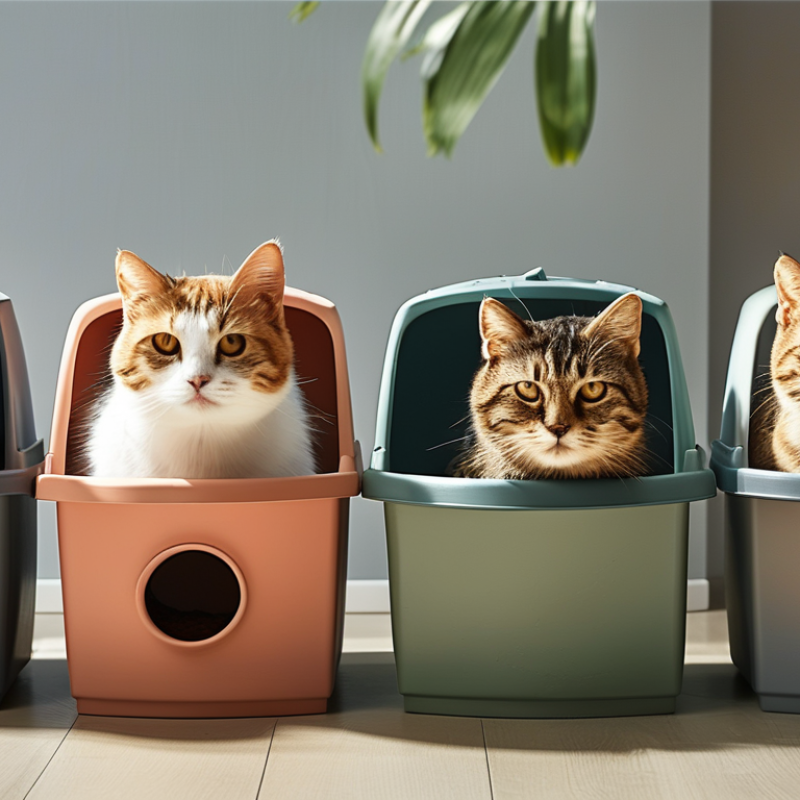
How To Effectively Manage Litter Boxes in Multi Cat Homes?

Choosing the Right Number of Litter Boxes for Multi-Cat Homes

Choosing the right number of litter boxes is crucial in multi-cat homes. A common guideline suggests one litter box for each cat plus one extra. This means if you have three cats, you should aim for four litter boxes. This approach helps to reduce territorial disputes over bathroom spaces. Each box offers a personal choice for your cats, which can lead to greater comfort and less stress.

Placement is equally important. Litter boxes should be easily accessible but not in high-traffic areas. Consider locations where your cats feel safe. Avoid placing boxes near food and water dishes. Cats are particular about their hygiene, and an unclean box can deter them from using it. Regular maintenance is essential, so clean the boxes daily and change the litter frequently.

Monitor your cats’ behavior. If one cat consistently avoids a particular box, it could indicate a problem. The box might be too dirty or not appealing enough. Experiment with different styles or litter types. Each cat has individual preferences, making it necessary to remain proactive. Being aware of these subtle signs can lead to an improved environment for all your feline friends.

Selecting the Ideal Locations for Litter Boxes

Choosing the ideal locations for litter boxes in a multi-cat home is crucial. Cats need privacy and a sense of safety when using their litter boxes. Positioning them in quiet areas, away from high-traffic zones, fosters this comfort. Consider placing boxes in rooms where your cats spend most of their time. Each cat may prefer different setups, so you might need to experiment.

Accessibility is another important factor. Boxes should be easy for all cats to reach, including older or less mobile ones. Avoid placing them near food and water, as cats tend to dislike this proximity. At the same time, ensure that they are not tucked away where cats might feel trapped. Think about how your cats interact; some might be territorial over specific spaces.

It's essential to provide enough boxes, ideally one for each cat plus one extra. Observe which boxes get the most use and which are neglected. You may find that a box in a less popular location needs to be moved to a more favorable spot. Flexibility and observation are key. Cats communicate their preferences, albeit subtly, and recognizing these signals can lead to a more harmonious multi-cat home.

Types of Litter and Box Designs for Cat Preferences

When managing litter boxes in multi-cat homes, choosing the right litter and box designs is crucial. Cats have individual preferences. Some prefer clumping litter, while others might favor crystal or natural options. Pay attention to how each cat reacts. Some may dig enthusiastically, while others seem hesitant. Experimenting with different types can reveal their favorites.

Box design also plays a key role. Open boxes offer easy access but can lead to litter tracking. Covered boxes provide privacy but may trap odors. High-sided boxes can reduce spills, while low entries help senior cats. Observing your cats will guide your choices. It’s essential to have enough boxes—ideally, one per cat plus one extra.

It's also worth noting that a clean box is more inviting. A litter that absorbs odors well can improve the environment significantly. Don’t hesitate to adjust based on your observations. Each cat is unique, and their needs may change over time. Experimenting with different combinations of litter and box types will help create a comfortable space for all your furry friends.

How To Effectively Manage Litter Boxes in Multi Cat Homes? - Types of Litter and Box Designs for Cat Preferences

Litter Type Box Design Cat Preference Level Ideal Number of Boxes
Clumping Clay Covered Box High 3
Crystal Open Box Medium 3
Biodegradable Low-Entry Box Low 4
Silica Gel Self-Cleaning Box High 3
Paper Large Open Box Medium 4

Establishing a Regular Cleaning Routine for Litter Boxes

Establishing a regular cleaning routine for litter boxes is crucial in multi-cat homes. Each cat needs access to clean litter. It helps prevent behavioral issues and keeps your home fresh. Aim to scoop the litter boxes daily. This simple task minimizes odors and attracts your cats to use their boxes.

Deep cleaning is also necessary. Once a week, empty the boxes completely. Rinse them with warm water and a mild detergent. Dry thoroughly before adding fresh litter. This prevents bacteria build-up. Cats are sensitive to smells. A clean environment supports their well-being and happiness.

Consistency is key. It can be challenging to keep up with multiple boxes, leading to occasional lapses. You might miss a day or two of cleaning. Reflecting on this, find strategies to improve. Setting reminders on your phone or designating a specific time can help. Engaging all family members in the process fosters shared responsibility.

Monitoring Cat Behavior and Addressing Litter Box Issues

Monitoring cat behavior in multi-cat homes is crucial for maintaining harmony. Cats communicate their needs in subtle ways. Changes in litter box habits can signal stress or territorial disputes. Observing how each cat uses the box can reveal conflicts. If one cat guards the box, others may avoid it.

Take note of patterns in elimination and litter preferences. Some cats may prefer a specific type of litter or box style. Noticing these details can help in making adjustments. For example, you might find one cat avoiding a covered box due to claustrophobia. Addressing such issues promptly can reduce anxiety and encourage proper use.

Regularly cleaning the litter boxes is vital. Dirty boxes can lead to reluctance in using them. It's also important to have enough boxes—ideally, one per cat plus one extra. This ensures every cat has access and reduces competition. Reflecting on their behavior and needs can foster a peaceful environment in a multi-cat household. Make adjustments as needed and stay attentive to their changes.

Cat Litter Box Preferences in Multi-Cat Homes

This chart displays the frequency of usage for different types of litter boxes among cats in a multi-cat household. Effective management of litter boxes can help in understanding individual cat preferences and addressing potential litter box issues.

FAQS

: What types of litter might cats prefer?

: Cats can prefer clumping, crystal, or natural litter. Observe their reactions for best choices.

How many litter boxes should I have?

Ideally, have one box per cat plus one extra. This reduces territorial issues.

What is the importance of box design?

Box design affects accessibility and cleanliness. Consider open, covered, or high-sided options.

How often should I clean the litter boxes?

Scoop daily. This keeps odors down and encourages usage by your cats.

When should I deep clean the litter boxes?

Deep clean once a week. Rinse with warm water and mild detergent for hygiene.

Why is a clean litter box important for cats?

Cats are sensitive to smells. Clean boxes support their well-being and happiness.

What should I do if I miss a cleaning day?

Reflect on your routine. Set reminders or involve family for better consistency.

How does litter affect a cat's behavior?

Unpleasant litter may lead to avoidance. A preferred type encourages regular use.

Can box preferences change over time?

Yes, a cat's needs may evolve. Always be ready to adjust your selections.

What challenges come with managing multiple litter boxes?

Maintaining cleanliness can be tough. It's crucial to find effective cleaning strategies.

Conclusion

Managing litter boxes in multi-cat homes requires careful planning and attention to detail. To effectively manage litter boxes in multi-cat homes, it's crucial to choose the right number of boxes, typically one for each cat plus one extra, to ensure everyone has access. The placement of these boxes should be in quiet, low-traffic areas to provide the cats with privacy and minimize stress.

Selecting the appropriate types of litter and box designs that cater to individual cat preferences is also vital, as some cats may have specific likes or dislikes. Regularly cleaning the litter boxes is essential to maintain a hygienic environment and encourage usage. Lastly, monitoring cat behavior can help identify any potential issues with litter box usage, allowing for timely interventions if problems arise. By following these guidelines, you can create a harmonious living situation for all your feline companions.

Mason

Mason

Mason is a seasoned marketing professional with a deep expertise in the company's offerings and a passion for driving brand awareness. With a strong background in digital marketing strategies, he has an innate ability to connect with diverse audiences and effectively communicate product benefits.......