How To Easily Transition Cats To New Litter Types?

Time:2026-05-07 Author:Henry
0%

Transitioning cats to a new litter type can be challenging. It's important to do it carefully. Understanding how to transition cats to a new litter type can reduce stress. Cats are creatures of habit. A sudden change can lead to confusion and accidents.

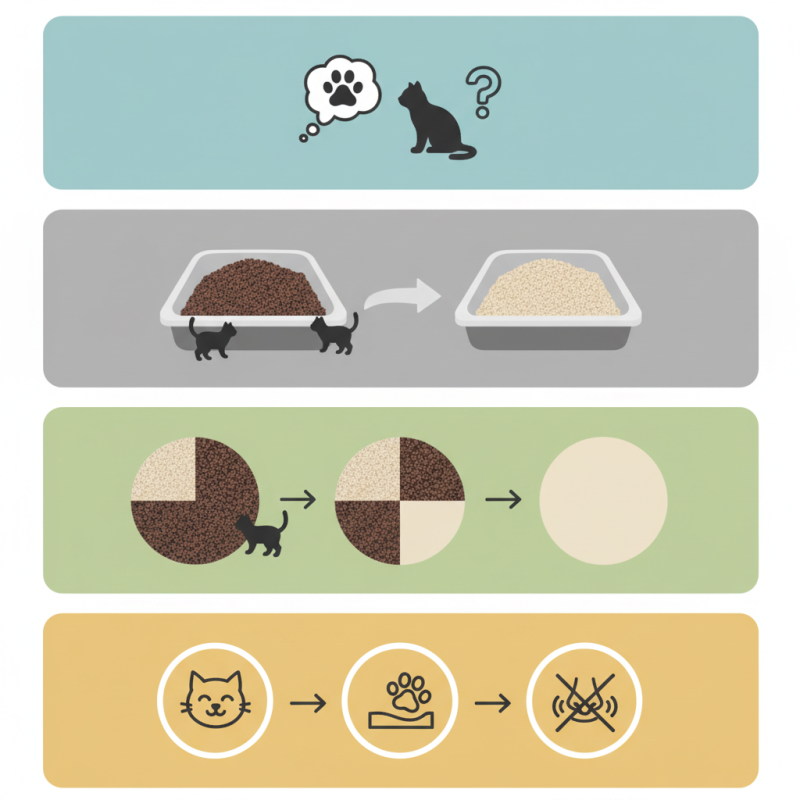
Begin by introducing the new litter gradually. Mix it with the old litter before making a complete switch. For example, start with a 25% ratio of new litter. Observe your cat’s reactions closely. Some may be hesitant or show signs of distress. Patience is key here.

Consider the texture and scent of the new litter. Cats have preferences. A smooth texture might be more acceptable. A strong scent could repel them. Each cat is unique, and their needs may differ. If your cat resists, reflect on their preferences. Modifying your approach may lead to success. A thoughtful transition can keep your feline friend happy and comfortable.
How To Easily Transition Cats To New Litter Types?

Understanding Your Cat's Litter Preferences

Understanding your cat's litter preferences is key to a smooth transition. Most cats are finicky about their litter. They prefer certain textures or scents. Observe your cat’s reactions to different types of litter. Notice what they seem to prefer. This observation can guide your choices.

Cats often have strong opinions about their bathroom habits. Some may enjoy soft, sandy textures, while others might prefer clumping types. Try setting up a few litter boxes with different litters. Watch which one your cat uses more frequently. It’s important to respect their choices. If they refuse a new litter, don’t force it. Switch back if needed.

Remember, change can be stressful for cats. They may resist new materials. Be patient during this transition. Offer positive reinforcement when they use the new litter. This can help them feel more comfortable. Every cat is unique, so take the time to understand their preferences. Your concern will surely pay off.

How To Easily Transition Cats To New Litter Types? - Understanding Your Cat's Litter Preferences

Litter Type Texture Odor Control Dust Level Transition Ease
Clay Fine High Medium Easy
Crystal Smooth High Low Moderate
Biodegradable Sandy Medium Low Moderate
Wood Pellets Chunky Medium Medium Challenging
Paper Soft Low Low Easy

Choosing the Right New Litter Type for Your Cat

When considering a new litter type for your cat, prioritize their preferences and habits. Research shows that about 50% of cats prefer clumping litter, as it mimics the natural texture of sand. Additionally, unscented options are often favored. A study highlighted that 70% of cats avoid scented litters. This indicates that your cat’s comfort should lead your choice.

When choosing litter, observe your cat’s behavior. If they seem hesitant or avoid the box entirely, it may signal dissatisfaction. Cats are creatures of habit. A sudden switch can cause stress, impacting their bathroom routine. Gradually mixing old litter with the new type can make the transition smoother.

Tips: Always choose a litter that is dust-free. Dust can irritate your cat's respiratory system. Consider experimenting with different textures, like pine or paper, to find their favorite. Keep an eye on your cat's response; their health is the best indicator of a successful transition.

Transitioning Cats to New Litter Types

Gradual Transition: Mixing Old and New Litters

Transitioning your cat to a new litter type can be daunting. A gradual approach is often the best solution. Mixing old and new litters helps ease the change for your furry friend. Start with a 75% old litter and 25% new litter mix. This ratio allows your cat to adjust without feeling overwhelmed. Slowly increase the new litter ratio over a week or so.

It's essential to observe your cat's behavior during this transition. If your cat seems hesitant, it might be a sign that the new litter's texture or scent is off-putting. Pay close attention to the clumping of the litter. Some cats prefer solid clumps over finer granules. Adapt the mix based on your cat's preferences.

Tip: Ensure your litter box is clean and located in a quiet area. Cats are picky about cleanliness and location. Avoid forcing the change too quickly. If your cat refuses to use the litter box, consider going back to the original litter for a while. Patience is key here, and every cat's transition will vary.

Monitoring Your Cat's Response to the New Litter

Transitioning cats to new litter types requires careful monitoring of their reactions. Understanding their behavior is crucial. A study by the Journal of Feline Medicine and Surgery indicates that 70% of cats show changes in litter box habits when introduced to a new litter. Thus, close observation is essential.

Watch for changes in your cat’s elimination habits. Signs of distress or avoidance might appear soon after the switch. Your cat may sniff, scratch, or even refuse to use the box altogether. Research suggests that a comfortable litter experience is key; 60% of cats prefer finer textures. This highlights the importance of matching litter texture to your cat’s preferences.

Track any accidents outside the litter box. This will help you gauge their comfort level. Create a routine that involves gradual exposure. Mix old litter with the new one over time. This strategy can ease the transition. Cats appreciate consistency, but they can be sensitive to change. By being vigilant and observing behaviors, you can foster a smoother adjustment.

Troubleshooting Common Issues During the Transition

Transitioning your cat to a new litter type can be a challenge. Many cats are particular about their litter. If your cat refuses to use the new litter, observe its behavior closely. Sometimes, it can be due to the texture or scent of the new litter.

If your cat seems anxious, try mixing the old litter with the new one gradually. This can help ease the transition. Make sure you provide a clean litter box, too. An unclean box can deter your cat from using it, regardless of the litter type.

Watch for signs of stress or discomfort. If your cat continues to avoid the box, consider the location of the litter box. It should be in a quiet and accessible area. Patience is key; some cats need time to adjust. Reflect on your cat’s preferences—what worked in the past may help again.

FAQS

: How do I choose the right litter for my cat?

: Consider your cat's preferences first. About 50% of cats prefer clumping litter. Unscented options are often best.

What should I do if my cat avoids the new litter?

Observe their behavior. Avoidance can signal dissatisfaction with the texture or scent.

How can I transition my cat to a new litter smoothly?

Gradually mix the old litter with the new type. This can help ease the transition without stress.

Why is dust-free litter important?

Dust can irritate your cat's respiratory system. Choose a litter that minimizes dust for better health.

What if my cat is still anxious after changing the litter?

Consider mixing old and new litter longer. A gradual change can reduce anxiety for some cats.

Where should I place the litter box?

Ensure the box is in a quiet and accessible area. A good location can encourage its use.

How can I tell if my cat is stressed about the new litter?

Look for signs of discomfort, like refusal to use the box. This could indicate the need for a more suitable litter.

Can I experiment with different litter types?

Yes, trying different textures like pine or paper may help discover your cat's favorite.

Why is a clean litter box essential?

An unclean box can deter your cat from using it, regardless of how good the litter is.

How long should I wait for my cat to adjust to the new litter?

Be patient. Some cats need more time than others. Reflect on past experiences for guidance.

Conclusion

Transitioning your cat to a new litter type can be simple if done correctly. Start by understanding your cat's litter preferences, as different cats may have unique likes and dislikes when it comes to texture and scent. When choosing a new litter type, consider factors such as absorbency and clumping ability to align with your cat's needs.

The key to successfully transitioning cats to a new litter type is to do so gradually. Mix the old litter with the new litter over several days, slowly increasing the ratio of the new litter. This method helps your cat adjust without stress. Throughout the process, monitor your cat's response to ensure they are comfortable with the change. If issues arise, such as refusal to use the litter box, troubleshoot by adjusting the mixture or offering reassurance. Following these steps will make it easier to transition cats to a new litter type.

Henry

Henry

Henry is a dedicated marketing professional with a profound expertise in the company's offerings. With years of experience in the industry, he possesses an impressive understanding of the market dynamics and consumer behaviors that drive success. Henry is committed to sharing his insights through......