Choosing the right litter for kittens is crucial for their health and well-being. As new pet owners consider "What Is The Safest Litter For Kittens," it's essential to evaluate various options. A 2022 report by the American Veterinary Medical Association (AVMA) indicates that over 60% of veterinarians recommend clumping, non-toxic litters for young cats. This approach not only aids in keeping the litter box clean but also minimizes exposure to harmful substances.
Natural litters made from materials like corn, walnut shells, or recycled paper often emerge as safer options. Research shows that these litters reduce the risk of respiratory issues in pets. The tendency for kittens to explore everything with their paws or mouths means selecting the right litter can impact their health. In a 2021 survey by Pet Food Industry, 45% of owners noticed behavioral changes in kittens after switching to safer alternatives.
However, navigating the marketing claims can be challenging. Not all litters labeled "natural" are equally safe. Choosing litter requires careful consideration of ingredients. While it might seem easier to pick a popular brand, reflecting on what actually benefits your kitten is vital. Always consult a veterinarian for personalized advice.
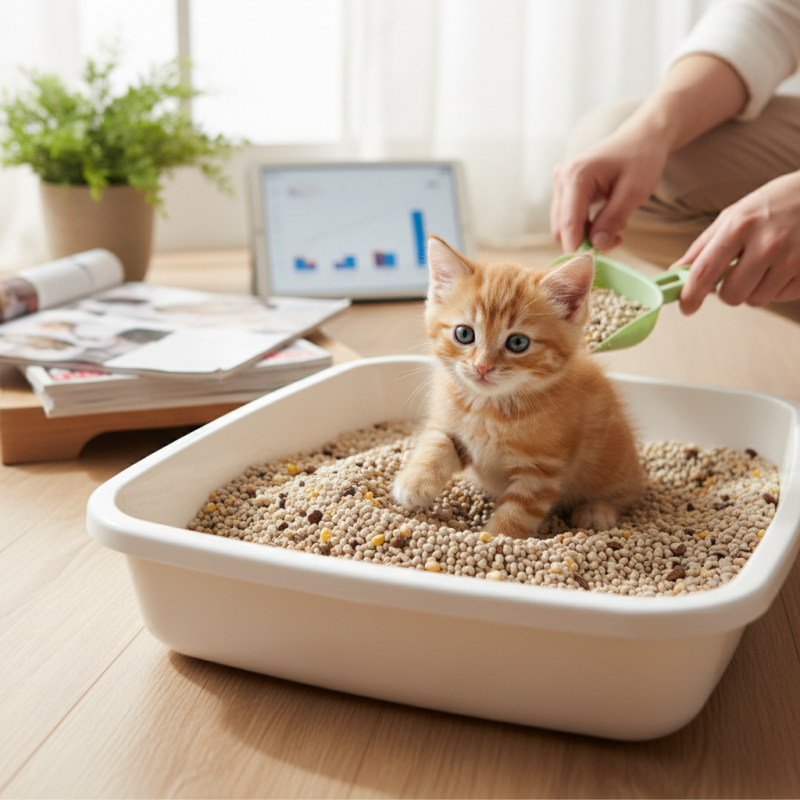
Choosing the right litter for kittens involves several critical factors. One of the most significant aspects is safety. Studies show that 75% of pet owners prioritize non-toxic materials for their pets. Many conventional litters contain chemicals that may harm a kitten’s health or cause respiratory issues. For responsible pet ownership, opting for natural litter made from safe materials like recycled paper or wood can reduce risks.
Another factor to consider is texture. Kittens have sensitive paws. A litter that is too rough can cause discomfort or aversion to using the litter box. Research indicates that 65% of kittens prefer softer textures. Choosing a finer-grain litter can encourage good litter box habits. Additionally, kittens are naturally curious and tend to ingest small amounts of litter. Ensuring it’s free from harmful additives is crucial for their safety.
Odor control also plays a role in litter choice. Many pet owners overlook this factor. However, poor odor management can deter kittens from their litter box. Studies suggest that a reduction in odor can lead to a 40% increase in consistent use of the litter box. Evaluating different litter types based on these criteria can lead to healthier and happier kittens.
Choosing the right litter for your kitten is crucial. Various types of cat litter exist, each with benefits and drawbacks. Knowing them helps you decide wisely.
Clumping clay litter is popular. It absorbs moisture effectively, making cleanup easier. However, some clay litters contain silica dust, which may harm kittens' respiratory health. Consider alternatives like natural litters made from recycled materials. These are often more eco-friendly and less harsh on little paws.
Another option is crystal litter. It controls odor but may not absorb as well as clumping varieties. Some kittens may dislike the texture of crystals. Pelleted wood litter is another natural choice. It’s biodegradable and often easier on the environment. Still, some kittens may prefer the feel of softer litter. Observing your kitten’s preferences can help you choose the best option while considering their health and comfort.
When selecting litter for kittens, always prioritize safety. Look for natural and biodegradable ingredients. Common options include corn, wheat, and recycled paper. These materials are often less harmful compared to clay-based litters. According to a 2021 report from the Pet Product Manufacturing Association, around 70% of pet owners concern themselves with the environmental safety of their pet products.
Avoid litters with added fragrances or chemicals. Kittens have sensitive respiratory systems. Perfumed litters may irritate their airways. A study from the American Veterinary Medical Association indicates that many cats prefer non-scented environments. It's essential to consider your kitten’s comfort. Think about what’s best for their health.
Consider the clumping ability of the litter. Clumping litters can make cleaning easier, but some may contain harmful additives. Check for labels that mention clay or silica gel. These can pose ingestion risks. It's also important to recognize that each kitten may react differently. Some kittens might have allergies to certain ingredients. Observing their behavior after switching litters can provide valuable insights. Make informed choices by researching ingredient safety. Your kitten’s well-being depends on it.
When selecting litter for kittens, it is crucial to avoid harmful substances. Many litters contain additives that may be toxic to young animals. Common materials like clay and certain fragrances can irritate a kitten's sensitive respiratory system. Always check the ingredient list for chemicals that could be harmful.
Natural alternatives are often safer. Products made from recycled paper, wood, or corn are less likely to cause adverse reactions. However, not all natural litters are created equal. Some may still contain dust or allergens. Monitoring your kitten’s behavior when using a new litter is important. Watch for any signs of discomfort or respiratory issues, such as coughing or sneezing.
Moreover, consider the litter's clumping ability. Some clumping agents can be harmful if ingested. Kittens are curious and may taste litter out of curiosity. Using a litter that forms softer clumps can help minimize ingestion risks. Always prioritize your kitten’s safety and health while making your choice. Adjust your decision based on what works best for your furry friend.
Transitioning kittens to a new litter can be a delicate process. Start by introducing the new litter gradually. Mix the new litter with the old one. This helps kittens adjust to the scent and texture. Use a ratio of 75% old litter to 25% new litter at first. Observe how your kitten reacts. Some may take to it quickly, while others need more time to adapt.
Keep the litter box clean to encourage usage. Scoop daily and change the litter completely once a week. Kittens are naturally curious, but some can be apprehensive. If they hesitate to use the box, stick with the mix for a bit longer. Patience is key in this process. You might notice one kitten embracing the change while another is reluctant. Each kitten has its own pace, and that’s perfectly okay.
If a kitten refuses the new litter, return to the original mix for a while. You can gradually decrease the old litter as they get more comfortable. Sometimes, it may take several tries before they fully embrace the new litter. Consistency and a supportive environment make all the difference in a smooth transition.
| Litter Type | Safety Rating | Dust Level | Odor Control | Biodegradability |
|---|---|---|---|---|
| Clay-based | Medium | High | Moderate | Non-biodegradable |
| Wood pellets | High | Low | Good | Biodegradable |
| Paper-based | High | Low | Good | Biodegradable |
| Corn-based | High | Medium | Excellent | Biodegradable |
| Coconut husk | High | Low | Good | Biodegradable |
: Clumping clay litter is popular. It absorbs moisture well, making cleanup easier.
Yes, some clay litters contain silica dust. This dust may harm kittens’ respiratory health.
Natural litters made from recycled materials are eco-friendly. They are less harsh on delicate paws.
Some kittens may find the texture of crystal litter unappealing. Their comfort is important.
Avoid litters with harmful additives. Look out for toxic materials like certain fragrances and clays.
Observe for signs of discomfort. Coughing or sneezing may indicate respiratory issues from the litter.
Not all natural litters are equal. Some may still contain dust or allergens, so caution is key.
Some clumping agents can be harmful if ingested. Kittens may taste litter out of curiosity.
Observe your kitten's behavior with different litters. Their preferences can guide your choice.
Yes, consider clumping ability. Softer clumps can minimize ingestion risks for curious kittens.
When selecting litter for kittens, it's essential to consider several factors to ensure their safety and comfort. What Is The Safest Litter For Kittens often involves evaluating the type of litter, including its material and scent, as well as the pros and cons associated with each option. Natural, biodegradable litters are generally preferred, as they are less likely to contain harmful additives.
It's also crucial to look for safe ingredients in kitten litter, avoiding those with toxic substances like fragrances, clumping agents, or chemicals that could harm young cats. Gradual transitions to new litter can help ease kittens into changes, minimizing stress. Overall, prioritizing safety in kitten litter choices can promote a healthier and more pleasant environment for your new feline friend.

Webvet Pet