When it comes to cat care, choosing the right litter is essential. Dr. Emily Wilson, a veterinarian and cat behavior expert, emphasizes, “The right litter can make a world of difference for indoor cats.” Many cat owners overlook this vital aspect, but it affects your cat's comfort and health.
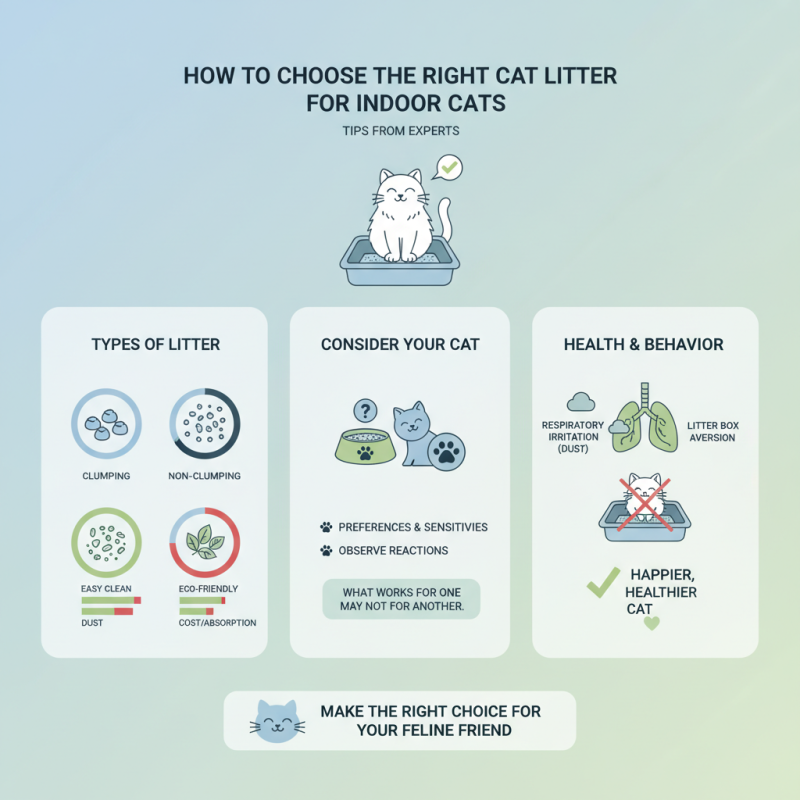
How To Choose The Right Cat Litter For Indoor Cats involves more than just picking any product from a store shelf. There are various types available, including clumping, non-clumping, and biodegradable options. Each has its pros and cons. For instance, clumping litter may be easier for clean-up but can contain dust that irritates your cat’s respiratory system.
Selecting the right litter can lead to a happier, healthier cat. It’s essential to consider your cat’s preferences and sensitivities. Remember that what works for one cat may not work for another. Pay attention to their reactions. The wrong choice can lead to litter box aversion, which is a problem that many cat parents face.
Factors to Consider When Choosing Cat Litter for Indoor Cats
Choosing the right cat litter for indoor cats can be tricky.
One important factor is the material. Clumping clay,
biodegradable options, and crystals all have their pros and cons. Clumping clay makes cleanup easier,
while biodegradable litters are better for the environment. However, some cats might not like the texture of
different materials.
Another consideration is odor control. Some litters do an excellent job
masking odors, while others fall short. It's frustrating when litter fails to contain smells. If you live in a
small space, good odor control is essential. You may have to experiment with different types until you find one
that works.
Lastly, the texture is crucial. Cats can be picky. If the litter feels too rough or sandy, they might refuse to
use it. This can lead to accidents around the house.
Pay attention to your cat's preferences; it may require some trial and error. Finding the right fit is not
always easy. But with patience, you can discover what your feline friend enjoys.
Types of Cat Litter: Clay, Silica Gel, and Biodegradable Options
Choosing the right cat litter for indoor cats can be challenging. With various options on the market, understanding the types of litter is essential. The three primary types are clay, silica gel, and biodegradable options. Each type has unique attributes, catering to different preferences and needs.
Clay litter, often made from sodium bentonite, is popular due to its absorbency. It clumps easily, making cleanup straightforward. However, studies indicate that this type can produce dust, which may affect respiratory health in sensitive cats and humans.
Silica gel litter absorbs moisture effectively, often lasting longer before needing a change. It's low in dust, but some cats may dislike the texture.
Biodegradable options are increasingly in demand. Made from materials like corn, wheat, or recycled paper, these litters are eco-friendly. They decompose naturally, but their absorbency may vary. Not all biodegradable litters perform equally, leaving some cat owners dissatisfied.
Tips: When choosing litter, consider your cat's preferences. Some cats may avoid a litter with strong scents. Always observe your cat's behavior after introducing a new type. With the right choice, you can improve your cat's comfort and satisfaction in their indoor environment.
Evaluating Odor Control and Clumping Ability in Cat Litter
When selecting cat litter for indoor cats, odor control and clumping ability are essential factors. Studies reveal that 70% of cat owners prioritize odor management when choosing litter. Effective clumping can help reduce mess and simplify cleanup. Litter that clumps tightly minimizes odors by sealing waste within the clumps. This feature becomes crucial, especially in small living spaces where smells can linger.
Consider the materials used in cat litter. Natural litters often offer superior odor control due to their absorbent properties. For example, clay-based litters frequently provide excellent clumping ability. However, some users report dust production and potential respiratory issues. It's worth noting that not all clumping litters perform equally well. Some brands create larger clumps, while others may disintegrate, leading to more cleanup.
In fact, surveys indicate that 45% of pet owners have switched litters for better clumping results. Many are frustrated with litters that fail to meet expectations. Observing your cat's behavior is equally important. If they seem hesitant to use the litter box after a switch, it may be time to rethink your choice. Pay attention to fragrances as well. Some cats may find them overwhelming or irritating. Finding the right balance between performance and comfort is key for both you and your feline friend.
Assessing Dust Levels and Allergies Related to Cat Litter
Choosing the right cat litter is essential, especially for indoor cats. Many factors affect this decision. One important aspect is dust levels. Some litters produce more dust than others, which can aggravate allergies in both cats and humans. If you notice sneezing or coughing, the litter could be to blame. Monitoring these reactions is crucial.
Allergies related to cat litter can significantly impact health. A cat's sensitive respiratory system might react negatively to certain materials. Pay close attention to your cat’s behavior. If they scratch or avoid the litter box, it may indicate an issue. Experimenting with low-dust or natural options can help.
Keep in mind, not every solution is perfect. Each cat has different preferences and sensitivities. Some cats thrive on clay-based litter, while others do better with plant-based varieties. Evaluating your cat's response can require patience and trial and error. Adjusting litter types based on their comfort can lead to a happier home.
How To Choose The Right Cat Litter For Indoor Cats Tips - Assessing Dust Levels and Allergies Related to Cat Litter
| Cat Litter Type |
Dust Level |
Allergy Potential |
Odor Control |
Clumping Ability |
| Clay (Clumping) |
Low |
Medium |
Good |
Excellent |
| Clay (Non-Clumping) |
Medium |
Low |
Fair |
Poor |
| Wood Pellets |
Low |
Low |
Good |
Fair |
| Recycled Paper |
Very Low |
Very Low |
Fair |
Poor |
| Corn-Based |
Low |
Medium |
Good |
Good |
Cost vs. Quality: Finding an Affordable Cat Litter Solution
Choosing the right cat litter can be a balancing act between cost and quality. Many cat owners find themselves overwhelmed by the variety of options available. An industry report indicates that approximately 80% of cat owners consider both budget and product effectiveness when making their choice. Affordability is crucial, as some litters can be quite expensive, yet not perform well.
Finding a litter that suits your needs does not mean compromising on quality. For instance, some cheaper litters may clump poorly or produce excessive dust, which is harmful to both cats and humans. Studies show that poor-quality litter can lead to litter box aversion, ultimately affecting cat hygiene and behavior. Therefore, it’s important to evaluate options that provide good clumping and odor control without breaking the bank.
Tips for choosing cat litter include checking for biodegradable options that may offer a lower long-term cost and environmental impact. Consider testing different litters in small quantities. Monitor your cat’s preference during this trial phase. If a litter causes sneezing or discomfort, it’s best to move on. Remember, an affordable choice should not come at the expense of your cat's health.
Conclusion
When considering how to choose the right cat litter for indoor cats, it's essential to evaluate several factors that impact both the cat's comfort and the owner's convenience. Start by exploring the types of cat litter available, including clay, silica gel, and biodegradable options. Each type has its unique benefits and drawbacks, making it crucial to choose one that suits your cat's needs and your lifestyle.
Additionally, assess important features like odor control and clumping ability, as these will significantly affect the cleanliness of the litter box. Dust levels are another important consideration, particularly for cats with allergies or sensitivities. Lastly, weigh the cost against the quality of the litter to find an affordable yet effective solution. By carefully considering these elements, pet owners can effectively select the right cat litter that meets the needs of indoor cats.

 Webvet Pet