How To Choose Cat Litter For Sensitive Cats Effectively?

Time:2026-06-16 Author:Aria
0%

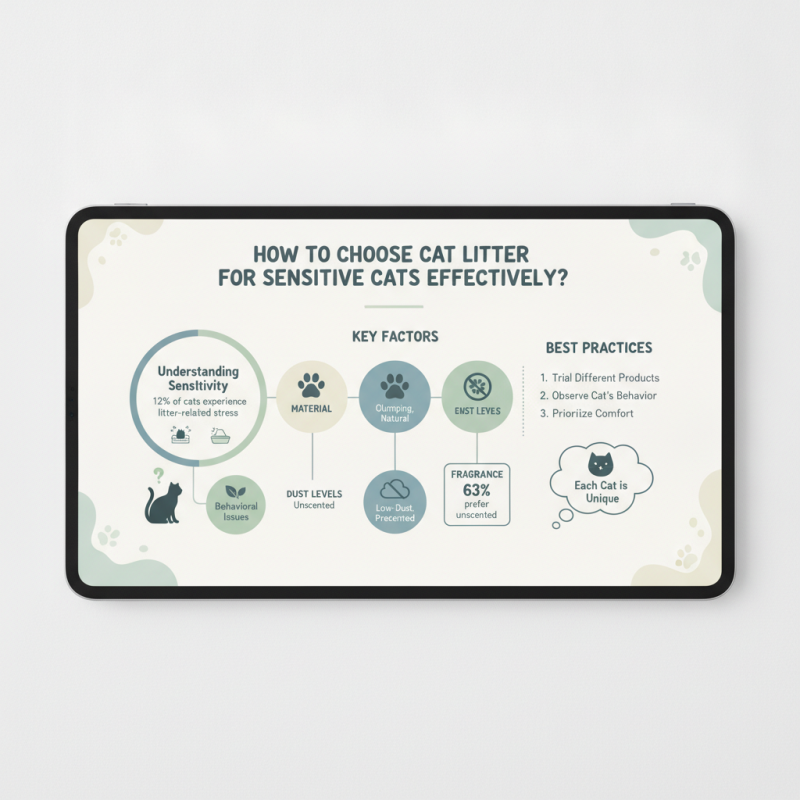
Choosing the right cat litter is crucial, especially for sensitive cats. Many pet owners overlook the impact of litter on their feline friends. According to a study by the American Association of Feline Practitioners, 12% of cats experience litter-related stress. This can lead to litter box aversion and behavioral issues. Thus, understanding "How To Choose Cat Litter For Sensitive Cats" is essential for any responsible cat owner.

When selecting litter, consider factors like material, dust levels, and fragrance. Cats with sensitivities often react poorly to scented litters or those with high dust content. A survey by the World Small Animal Veterinary Association indicates that 63% of pet parents prefer unscented, clumping litters. These options often prove better for maintaining a calm bathroom environment for delicate pets.

Reflecting on these findings can lead to better choices. It’s important to trial different products to determine what works best for your cat. Understanding individual needs will enhance their comfort and overall well-being. Remember, each cat is unique, and what suits one may not suit another.
How To Choose Cat Litter For Sensitive Cats Effectively?

Understanding Sensitive Cat Needs and Preferences

When selecting litter for sensitive cats, understanding their specific needs is essential. Sensitive cats often experience allergies or skin issues. They require a litter that minimizes irritants. Look for natural, unscented options to reduce exposure to harsh chemicals. Clumping litter can be beneficial, as it helps keep the area clean.


Tips: Pay close attention to texture. Cats with sensitivities may prefer softer materials. Observe your cat's behavior after switching to a new litter. It’s important to note any signs of discomfort.


Additionally, consider your cat's preferences. Some cats may be picky about their litter type. Experimenting with different options can help you find the right fit. A gradual transition to a new litter can prevent stress. Mix the new litter with the old one at first.


Tips: Always observe your cat during this process. Their reactions can provide insight into their comfort levels. Your cat's health and happiness should guide your choices.

Types of Cat Litter Suitable for Sensitive Cats

Choosing the right cat litter for sensitive cats is crucial. Not all litters are created equal, especially for our furry friends with sensitivities. Understanding the types available can significantly improve their comfort.

Natural litters, like those made from pine or coconut, are excellent options. They are biodegradable and often free from harmful chemicals. These materials can help reduce allergens in your cat’s environment. However, not all natural litters clump well; this might require more regular cleaning. Pay close attention to your cat's reactions when trying new options.

Clay-based litters are another alternative. Some may contain added fragrances, which can be irritating. Unscented versions can help prevent respiratory issues. Silica gel litters are low dust and absorb moisture effectively. But they might not be suitable for all sensitive cats. It’s essential to observe their behavior after switching litters to find what works best. Remember, trial and error can be part of the process.

How To Choose Cat Litter For Sensitive Cats Effectively? - Types of Cat Litter Suitable for Sensitive Cats

Type of Cat Litter Key Features Pros Cons
Clumping Clay Litter Made from bentonite clay, forms solid clumps for easy cleaning. Easy to scoop, reduces odor, widely available. Can produce dust, may contain fragrances.
Non-Clumping Clay Litter Absorbs moisture without forming clumps. Lower cost, no dust. Less effective at controlling odor, requires more frequent changing.
Wood Pellet Litter Made from compressed wood, absorbs moisture naturally. Eco-friendly, minimal dust, natural scent. May require a period of adjustment for cats.
Recycled Paper Litter Made from recycled paper, highly absorbent. Dust-free, soft texture, very safe for sensitive paws. Lower clumping ability, may need more frequent changing.
Corn-Based Litter Made from corn kernels, clumps naturally. Biodegradable, good odor control. Higher price point, may attract pests if not managed properly.

Key Features to Consider When Choosing Cat Litter

Choosing cat litter for sensitive cats requires careful consideration. The right litter can make a significant difference. Start by looking for hypoallergenic options. Many sensitive cats develop allergies or respiratory issues from strong fragrances. Unscented litter can help reduce irritation.

Absorbency is another key feature. Cats need litter that absorbs moisture effectively. This helps control odors and keeps their paws dry. Consider materials like clumping clay or natural alternatives, which tend to offer good absorption. Lightweight products are easier to handle but may sacrifice absorbency.

Clumping abilities matter too. Good clumping litters form solid clusters, making it easier to scoop. However, some cats might dislike overly sticky textures. Always observe your cat’s behavior with new litter. Transitioning gradually can help them adjust. It's important to ensure that they are comfortable and confident in their litter choice.

How to Transition Your Cat to New Litter Effectively

Transitioning your sensitive cat to new litter can be quite the challenge. Research indicates that up to 30% of cats experience stress during changes to their environment, including litter type. This can lead to behavioral issues, such as avoidance of the litter box. Therefore, a gradual transition is essential.

Start by mixing the new litter with the old one. A ratio of 70% old litter to 30% new litter can help ease your cat into the change. Keep an eye on their reactions during this time. Some cats might be more picky than others. If your cat shows hesitation, consider increasing the proportion of old litter. This flexible approach acknowledges that each cat has unique needs and preferences.

After a week, you can adjust the ratios. Gradually switch to 50/50, and then 30% old litter. Monitoring your cat's behavior is crucial. You should be prepared for potential setbacks, such as refusal to use the box or changes in bathroom habits. Patience is key here, as every cat deserves a comfortable and stress-free experience with their litter.

Tips for Maintaining a Clean Litter Box for Sensitive Cats

Choosing the right litter box for sensitive cats is essential. Maintaining cleanliness is key to ensuring their comfort. The litter box should be cleaned daily. This helps reduce odors and keeps the area inviting. Sensitive cats can easily become stressed by unpleasant smells.

Consider using unscented litter. Many cats dislike strong fragrances. Unscented options often reduce irritation. Additionally, you might want to experiment with different textures. Some cats prefer clumping litter, while others like softer materials. Observe your cat’s reaction to find what works best for them.

When cleaning the litter box, use a scoop with small holes. This helps separate clumps from clean litter effectively. Change the litter completely every week. Use warm water and mild soap for washing the box. Harsh chemicals can lead to discomfort for sensitive cats. Remember to rinse it thoroughly to avoid any residue. Regular maintenance of the litter box promotes a healthy environment for your feline friend.

Choosing Cat Litter for Sensitive Cats

FAQS

: What type of litter is best for sensitive cats?

: Look for natural, unscented options that minimize irritants and reduce allergies.

How should I transition my cat to new litter?

Gradually mix 70% old litter with 30% new litter. Adjust ratios based on your cat's reactions.

Why is litter box cleanliness important for sensitive cats?

A clean litter box reduces odors and prevents stress, ensuring a more inviting space for your cat.

How often should I clean the litter box?

Clean the litter box daily to maintain freshness and comfort for your sensitive cat.

Can all cats use clumping litter?

Not all cats prefer clumping litter. Some may like softer materials, so observe their preferences closely.

What should I do if my cat refuses to use the new litter?

If your cat hesitates, increase the amount of old litter and Monitor their behavior for signs of discomfort.

How can I find the right litter texture for my cat?

Experiment with different textures, like clumping or softer materials, and watch your cat's reactions.

What cleaning products are safe for the litter box?

Use mild soap and warm water for cleaning. Avoid harsh chemicals that can irritate sensitive cats.

Can I change my cat's litter type suddenly?

Sudden changes can cause stress. Always transition gradually to ensure your cat feels comfortable.

What signs indicate my cat is uncomfortable with their litter?

Watch for refusal to use the litter box or signs of distress, such as scratching or meowing.

Conclusion

When considering "How To Choose Cat Litter For Sensitive Cats," it's essential to understand the specific needs and preferences of sensitive felines. Sensitive cats may have unique reactions to different types of litter, so opting for natural, unscented, and dust-free options can be beneficial. Additionally, the texture and absorbency of the litter are crucial to ensure comfort and cleanliness.

Key features to consider include the litter's clumping ability, odor control, and ease of disposal. Transitioning your cat to a new litter should be done gradually to minimize stress, combining old and new litters to help them adjust. Lastly, maintaining a clean litter box is vital; regular scooping and thorough cleaning will create a welcoming environment for sensitive cats and promote their overall well-being.

Aria

Aria

Aria is a dedicated marketing professional with a deep passion for innovative strategies and a keen understanding of our company's product offerings. With a wealth of experience in the industry, Aria excels at crafting engaging content that highlights the unique features and benefits of our......