Choosing the right cat litter is essential for both cats and their owners. According to Dr. Jane Anderson, a veterinary expert, “The right low tracking litter can make a world of difference.” This highlights the importance of understanding how to select the best options.
When considering how to choose low tracking cat litter, several factors come into play. The texture and material of the litter are crucial. Many cat owners prefer clumping options that minimize mess. Other features like odor control and dust levels also matter significantly. Low tracking litters should ideally stay inside the box rather than causing chaos throughout the home.
However, not all low tracking litters are created equal. Some brands may still leave traces, raising questions about their effectiveness. Cat litter is not a one-size-fits-all solution; experience varies from one cat to another. Finding the right balance of performance, comfort, and cleanliness is key to keeping both the cat and the home happy. Exploring different options may help discover what truly works.
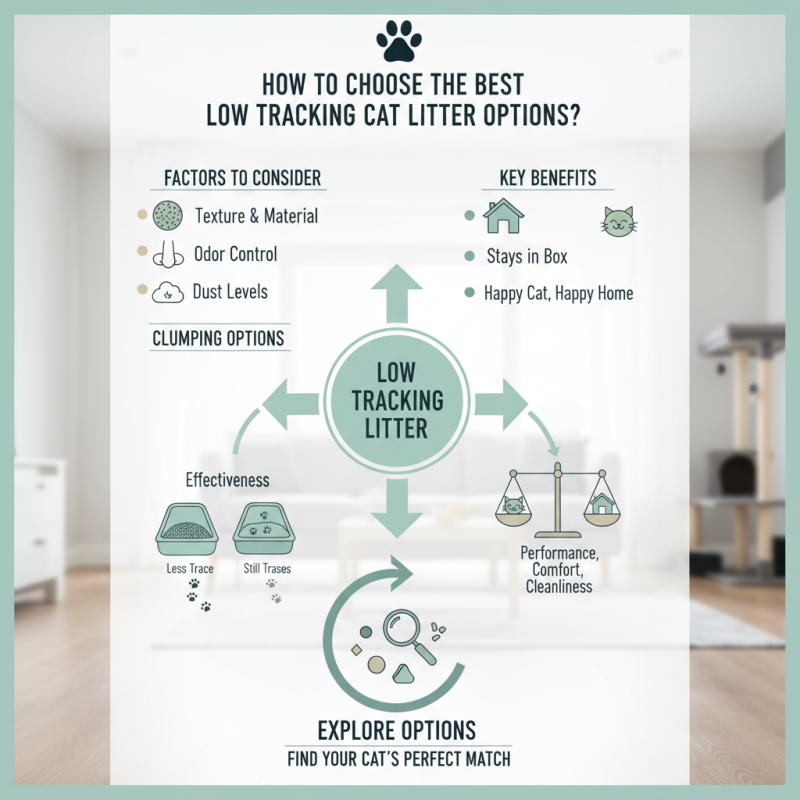
When choosing cat litter, low tracking options stand out for several reasons.
Low tracking litter minimizes the mess around your home. It greatly reduces how much litter your cat brings outside the box.
This means less sweeping and fewer litter trails. Moreover, it helps keep your home cleaner and more welcoming.
The benefits of low tracking cat litter are significant. Many options are also dust-free, which is great for both the cat and the owner.
With less dust, there’s a lower chance of respiratory issues. Additionally, low tracking litter can be softer on your cat's paws,
enhancing their comfort. Remember, happy paws lead to happy cats.
Tips for selecting low tracking litter include checking for textures that appeal to your feline.
Cats often prefer granules that are fine yet absorbent. You might want to experiment with different materials to find the right fit.
Assess how well the litter clumps as well, since good clumping reduces the amount of litter needed. Lastly, consider the price versus longevity.
Sometimes, spending a bit more results in less frequent purchases, which can ultimately save money.
Test a few types to see what works best for both you and your cat.
When selecting low tracking cat litter, understanding the materials available is key. Most litters fall into three main categories: clay-based, plant-based, and recycled paper. Clay litters, particularly sodium bentonite, are popular due to their clumping ability and odor control. However, they can produce fine particles that stick to your cat's paws, leading to tracking.
Plant-based litters, such as those made from corn or wheat, are becoming increasingly favored. Research shows over 60% of cat owners prefer these options because they are biodegradable and less dusty. This helps to reduce mess in your home while being environmentally friendly. Recycled paper litter is another alternative. It offers excellent absorbency and minimal tracking. That said, its clumping capability may not be as strong as clay litters.
Tips: Always consider your cat's habits. If they tend to kick litter, choose a heavier type that stays put. Monitor how your cat reacts to new litters, as some may prefer one texture over another. Experimenting with samples can help you find the right balance. A study indicated that nearly 40% of cat owners have experienced tracking issues, making this choice crucial. Remember that finding the most suitable litter can require some patience and adjustments.
When selecting low tracking cat litter, consider key features that enhance both hygiene and convenience. A primary focus should be on the litter's texture. Soft granules often prevent scattering, which keeps your home clean. Look for clumping materials that provide easy cleanup. This helps minimize tracking and keeps your cat’s litter box area tidy.
Absorbency is another vital aspect. Some litters use natural materials that absorb moisture effectively. This can reduce odors significantly. Additionally, consider the weight of the litter. Lightweight options tend to be easier to manage, while still providing effective clumping and low dust.
It's important to note that not all cats respond the same way to different litters. Some may prefer a finer texture, while others might like larger granules. Observe your cat's behavior when trying new litters. If your cat avoids the litter box, reassess your choice. Finding the right product may take some time and experimentation. Each cat is unique, and their comfort should be your priority.
When exploring low tracking cat litter options, testing different brands is essential. Start by examining the litter's texture. Some are fine, while others are clumpy. A litter that feels too rough might deter your cat from using it. On the flip side, overly fine litter can easily scatter, creating a mess.
Observe your cat's behavior closely. Does your cat seem comfortable using the litter? Take note of how much litter sticks to their paws. A brand that promises low tracking should minimize this issue. Pay attention to how the litter absorbs moisture. Fast absorption can prevent odors and keep your home fresh longer.
Take some time to evaluate cleanup processes. Some litters may clump effectively but leave residue on surfaces. Others may create dust clouds, which could be a concern for sensitive cats. Reflect on your preferences too. Do you prioritize scent retention, or is ease of cleaning your primary concern? Testing various products will provide clarity on the best choice for you and your feline friend.
Transitioning your cat to a new low tracking cat litter can be challenging. Cats can be sensitive to changes. Start by mixing the new litter with the old. This helps your cat adjust to the texture and scent. Gradually increase the amount of the new litter over several days.
Pay attention to your cat's behavior. If your cat avoids the litter box, it may not like the new litter. Adjust the mixture again if needed. Cats thrive on routine. Keeping the litter box in the same location can help maintain familiarity.
Here are some tips. Choose a quiet time for the transition. Cats often prefer less chaos. Observe your cat closely during the switch. Patience is essential. Over time, most cats will adapt to the new low tracking litter. Remember, every cat is different. Adjust your approach based on your cat's reactions.
This chart illustrates the average tracking associated with different types of cat litter. Lower tracking values indicate products that are more effective in minimizing litter dispersion outside the litter box.
: Focus on texture and absorbency. Soft granules reduce scattering and maintain cleanliness.
Natural materials absorb moisture and minimize odors. This enhances hygiene significantly.
Lightweight options are easier to handle. They should still provide effective clumping and low dust.
Observe your cat's behavior. If they avoid the box, reassess the litter choice.
Cats have different preferences. Experimenting with various textures is essential for comfort.
Some litters clump well but may leave residue. Others create dust that can bother sensitive cats.
Reflect on your preferences. Consider scent retention versus ease of cleaning.
Yes, trying several brands will help you find the best fit for your cat's needs.
Yes, fast moisture absorption prevents odors and keeps your home fresher longer.
No, some litters may claim low tracking but still leave residue. Observe how much sticks to paws.
When considering how to choose low tracking cat litter, it’s essential to understand what it is and the benefits it offers for both you and your feline friend. Low tracking cat litter is designed to minimize the mess caused by scattered litter, making it easier to maintain a clean home. Various materials are available, ranging from clumping to natural options, each with unique features that help reduce tracking.
Key aspects to look for include the size of the litter granules, the product's ability to clump, and how well it controls odors. Testing different brands can provide insights into which type your cat prefers, and a gradual transition to a new litter can help ease your cat into the change. By following these guidelines, you'll be well-equipped to choose the best low tracking cat litter for your needs.

Webvet Pet