In the search for superior cat litter, pet parents often ponder, "What Makes Cat Litter Truly Dust Free?" Dr. Sarah Jenkins, an expert in pet hygiene, highlights, "Quality litter minimizes airborne particles, creating a healthier living space." This assertion resonates with many seeking a dust-free environment.
A truly dust-free cat litter should contain fine particles, reducing irritation for both pets and humans. Many brands claim to be dust-free, yet real-world testing tells a different story. Products made from natural materials often outperform synthetic options. However, consumers face challenges in finding reliable information and transparency about the formulations used.
Moreover, the experience of using dust-free litter can vary dramatically between brands. While one brand may deliver on its promise, another may leave dust clouds floating in the air. Pet owners often grapple with trial and error. They seek a balance between affordability and quality. Ultimately, the journey toward finding the perfect litter can spark a deeper reflection on what truly matters in pet care.
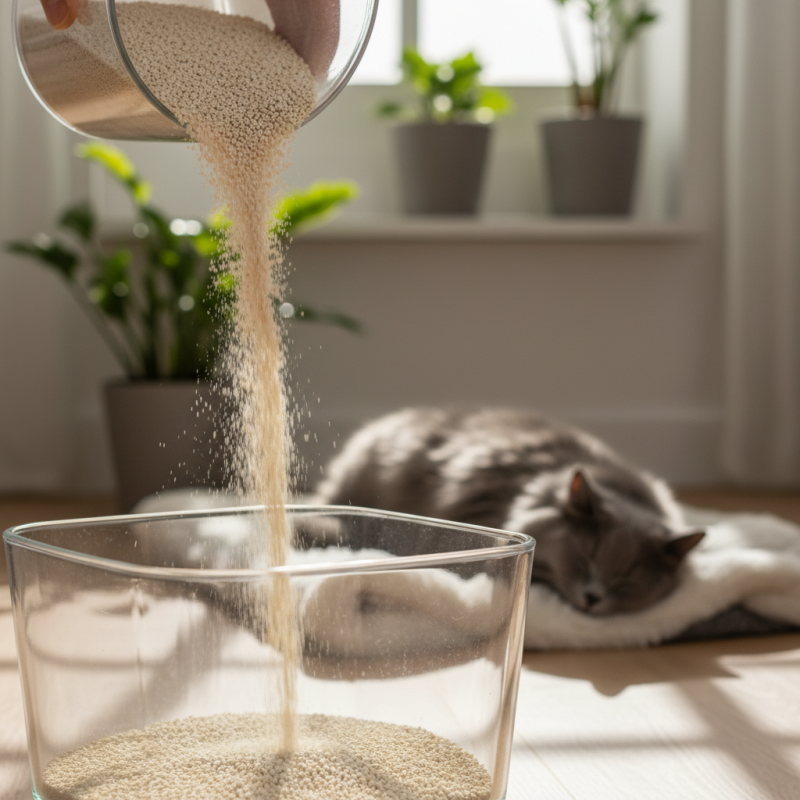
Understanding Cat Litter: What Does "Dust Free" Mean?
Choosing the right cat litter involves understanding the term
"dust free." Many people assume that
dust-free means no dust. However, this is often not true. A truly dust-free
product greatly reduces the airborne particles. This is crucial for maintaining
a clean and healthy home environment, especially for those with allergies.
When evaluating dust-free cat litter, consider the material. Some litters
are made from natural ingredients. Others utilize advanced technology to
minimize dust. It's also important to look at user reviews. Many cat owners
share their experiences. These insights can help identify which
products truly deliver on their promises.
Despite what marketing may suggest, no litter is completely dust-free.
Users should expect some particles to escape. This can lead to a dusty
environment, especially in smaller spaces. Regular maintenance and vacuuming
can help mitigate dust accumulation. Experimenting with different litters
can also lead to better results. Finding the right balance
for a clean home may take time and testing.
The Composition of Cat Litter: Materials That Reduce Dust
When choosing cat litter, dust control is crucial for a clean home. The composition of cat litter significantly affects dust levels. Natural materials often create less dust compared to synthetic options. Clay-based litters can generate particles during pouring and use. It's often overlooked how these fine particles can disturb indoor air quality.
Biodegradable options, like wood or corn, tend to produce less dust. Their organic makeup helps minimize airborne particles. These litters absorb moisture effectively, reducing the need for frequent replacement. However, not all natural litters are equally effective. Some may clump poorly, requiring more frequent clean-up.
Dust-free doesn't just mean minimal particles; it also involves safety for pets and humans. Many litters can still contain irritants or allergens. It's vital to consider long-term effects, not just immediate cleanliness. Experimenting with different types can lead to a better choice for your home.
Keep an eye out for how each type performs over time. Small adjustments may lead to a significantly healthier living environment.
The Impact of Dusty Cat Litter on Indoor Air Quality
Dust from cat litter can significantly impact indoor air quality. A recent survey by the American Lung Association found that 30% of households experience respiratory issues due to airborne dust from common litter products. This dust can contain harmful particulates that may exacerbate asthma and allergies. For families with children or pets, maintaining a dust-free environment becomes crucial.
Many cat litters on the market claim to be low in dust, yet not all of them meet the true "dust-free" standard. According to a study published in the Journal of Feline Medicine and Surgery, up to 25% of traditional clumping litters contain fine particles. These particles can linger in the air long after the litter is disturbed. When cleaning or filling litter boxes, plume formation can release these small particles, putting the health of both pets and humans at risk.
Choosing a truly dust-free litter requires careful consideration. Look for options that use natural materials with processed components designed to minimize dust. It's essential to be informed and skeptical of claims, as not all products labeled as "dust-free" perform the same. Conduct thorough research and consider scientific evaluations when selecting litter to ensure a healthier indoor environment.
Evaluating Popular Brands: Which Cat Litters Are Truly Dust Free?
When evaluating cat litters, dust-free options stand out as essential for a healthier home environment. Research indicates that traditional clumping litters can release fine dust particles. These particles may aggravate respiratory issues in both cats and humans. A study from the International Journal of Environmental Research found that up to 30% of traditional litters can produce significant dust. This data raises concerns about the long-term effects of inhaling these particles.
Exploring alternative formulations can yield better choices. Many brands now emphasize dust control. Some utilize natural materials like recycled paper or wood, which produce less dust than clay-based litters. According to a report by the Global Pet Industry, 45% of pet owners prioritize dust-free options. This statistic reflects a growing awareness of the importance of air quality in pet care. However, finding the right balance between control and odor management remains challenging for consumers.
While “dust-free” claims are common, it’s crucial to consider user reviews and independent testing. Some products may still produce unexpected amounts of dust during use. Additionally, not all litters cater to every cat's preference. Testing different options in your home is necessary for optimal results. Personal experiences play a crucial role in determining what works best for your household. The journey to a truly dust-free litter experience is ongoing.
Best Practices for Maintaining a Dust-Free Cat Litter Environment
Maintaining a dust-free cat litter environment is crucial for both pets and humans. Begin by selecting a cat litter that claims to be low in dust. Many options exist that offer better control over airborne particulates. However, not all products labeled “dust-free” meet this standard. Always look for independent reviews or expert opinions to gauge their effectiveness.
Regular cleaning routines can significantly reduce dust levels. Scoop daily to keep the litter box fresh. This practice minimizes waste accumulation, which can create more dust. Additionally, consider using enclosed litter boxes. They often contain dust while providing your cat with privacy. Dust can escape during scooping, so be mindful. Using a scoop designed to minimize scattering can help, too.
While implementing these methods, remember that some dust may still occur. Overuse of certain litter types can lead to an increase in dust. If you notice more dust than usual, re-evaluate your choice. Experiment with different types of litter and cleaning methods until you find a balance that works for your home. Engaging your veterinarian can also help refine your approach to creating a dust-free space.
Conclusion
This article explores "What Makes Cat Litter Truly Dust Free" by first defining what "dust free" means in the context of cat litter. It highlights that truly dust-free litter is composed of materials designed to minimize dust particles, which can have a significant impact on indoor air quality.
The discussion includes the various materials used in cat litters that contribute to a dust-free environment, analyzing how different compositions can affect health and comfort. The article also evaluates popular brands to determine which ones effectively reduce dust and offers best practices for maintaining a clean and healthy litter environment in your home. Overall, understanding these factors is essential for cat owners who prioritize both their pets’ hygiene and their home’s air quality.

 Webvet Pet