How To Build A Cat Friendly Litter Area begins with understanding your cat’s daily habits. Cats need privacy, easy access, and a clean place to eliminate. A quiet corner may work better than a busy hallway. However, complete isolation can make a cat feel trapped. The best location balances calm surroundings with a clear escape route.
Choose a litter box that allows your cat to turn, dig, and cover waste comfortably. Large, uncovered boxes often provide better ventilation and visibility. Older cats may need a low entrance because stiff joints can make climbing difficult. Place the box on a stable, level surface, away from food and water. Keep lighting gentle, and avoid strong fragrances from sprays, scented litter, or air fresheners. Cats can reject smells that humans barely notice.
Cleaning routines matter as much as design. Scoop waste daily, and wash the box with mild, unscented soap when needed. Provide one box per cat, plus one extra, when space allows. This recommendation comes from widely used feline behavior guidance, although individual cats may need different arrangements. Observe pawing, hesitation, accidents, and sudden avoidance. These signs can reveal stress, discomfort, or a medical concern, so consult a veterinarian when behavior changes unexpectedly.
A litter area should feel predictable, not perfect. Test one change at a time. Small mistakes can teach you what your cat prefers. In 2026, smart litter monitors may offer useful tracking, but they cannot replace careful observation or professional veterinary advice.
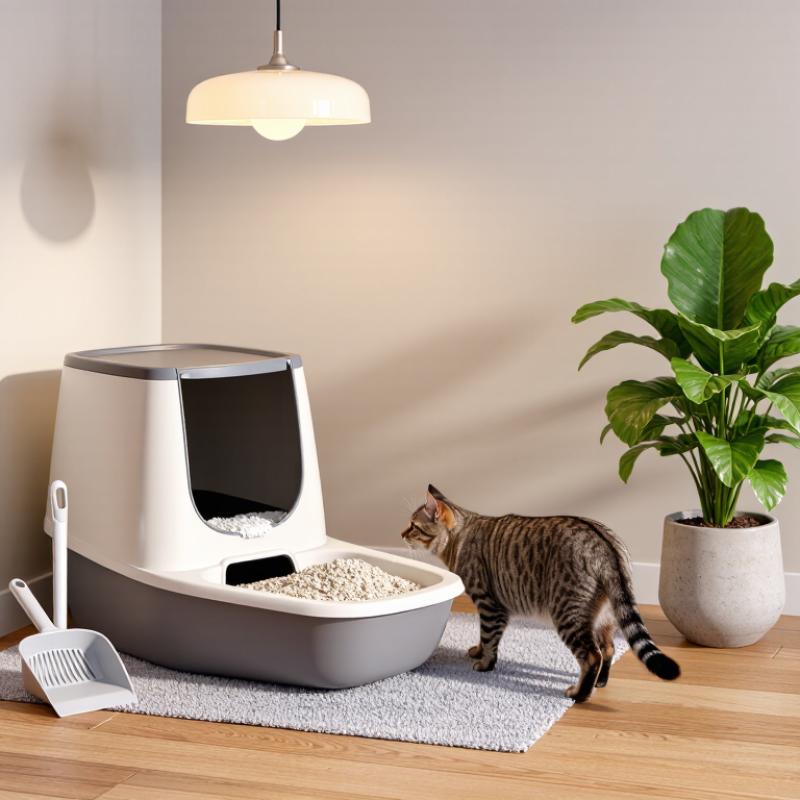
Before building a cat-friendly litter area, assess your cat’s daily habits. Spend three days observing quietly. Note when your cat uses the tray, how long it stays, and whether it digs or scratches nearby. A kitten may need a low entrance. An older cat may struggle with high sides or slippery flooring. Watch the entrance. Does your cat pause there, hide, or leave quickly? These details can reveal discomfort. I once placed a tray near a washing machine, assuming convenience mattered most. The noise made my cat avoid it.
Count the cats in your home and observe whether they share comfortably. The usual guideline is one tray per cat, plus one extra, but individual habits still matter. A timid cat may need a quiet, separate location. A social cat may tolerate a busier room. Measure the space before choosing a tray. Leave enough room for turning, digging, and stepping out safely. Avoid narrow corners and blocked exits. Some cats prefer open trays, while others feel safer with privacy. Watch, rather than guess.
Assess texture, scent, and cleanliness too. If your cat shakes its paws, the litter may feel unpleasant. If it urinates beside the tray, the area may seem dirty, cramped, or stressful. Keep a simple log for one week. Sometimes, I misread the pattern. Sudden changes in frequency, posture, or straining require prompt veterinary advice. Daily scooping helps, but excessive fragrance can discourage sensitive cats. Move changes gradually, and observe the response for several days.
Assess Your Cat’s Litter Area Needs and Habits
| Assessment Dimension | Practical Standard | What to Observe | Cat-Friendly Design or Action |
|---|---|---|---|
| Number of Litter Boxes | One box per cat, plus one additional box | Whether a cat waits, searches for a box, or avoids a box used by another cat | Provide separate boxes in different locations. In a multi-level home, place at least one box on each commonly used floor. |
| Box Size | About 1.5 times the cat’s body length, excluding the tail | Whether the cat can turn around, dig, squat, and cover waste without touching the sides | Choose a spacious rectangular box. Avoid compact boxes that force the cat to perch on the edge. |
| Entry Height | Low enough for easy access, especially for kittens, senior cats, or cats with mobility problems | Stiff movement, hesitation, missed jumps, or front paws entering while the body remains outside | Use a low-entry box or provide a stable ramp. Keep at least one easily accessible box available at all times. |
| Privacy and Visibility | Quiet and private, but not enclosed or difficult to escape | Repeated scanning, startled exits, or avoidance after household activity | Place the box where the cat has a clear view of the surrounding area and more than one possible exit route. |
| Household Traffic | Low foot traffic and minimal sudden noise | Whether people, children, appliances, or other pets interrupt toileting | Avoid busy hallways, laundry machines, doors that close, and areas where another animal can block access. |
| Litter Texture | Fine, sand-like, unscented litter is commonly accepted by cats | Scratching, standing on the rim, shaking paws, or refusing to bury waste | Offer a gradual transition when changing litter. Mix increasing amounts of the new litter over several days rather than changing abruptly. |
| Litter Depth | Approximately 5–7.5 cm (2–3 in) for most cats | Whether the cat digs comfortably or avoids the litter because it is too deep or too shallow | Start with a moderate depth and adjust according to the cat’s digging and covering habits. |
| Cleaning Routine | Scoop at least once daily; more often when several cats share a box | Strong odor, visible waste, damp patches, or a cat waiting until the box is cleaned | Remove urine clumps and feces promptly. Wash the box regularly with mild unscented soap and water, then dry it completely. |
| Odor and Fragrance | Clean and low-odor rather than heavily perfumed | Nose wrinkling, rapid retreat, or toileting beside a recently fragranced box | Avoid strong fragrances, deodorizing powders, and harsh chemical cleaners. Good ventilation should not create drafts or cold exposure. |
| Access and Escape | Unobstructed access at all times | Another cat, dog, child, or closed door preventing entry or exit | Keep the route clear and position the box away from corners where a cat could feel trapped. |
| Food and Water Placement | Separate from the litter area | Reluctance to eat or toilet when bowls and the box are close together | Place food and water in a different area. Avoid positioning the litter box directly beside feeding stations. |
| Behavior Tracking | Monitor normal frequency, posture, and amount of urine and feces | Straining, crying, frequent unproductive visits, blood, diarrhea, constipation, or sudden accidents | Record changes and contact a veterinarian promptly. Straining with little or no urine can be an emergency, especially in male cats. |
Quick setup target: Create a clean, quiet, spacious, easy-to-reach area with the recommended number of boxes, unscented litter, daily scooping, and no opportunity for another pet or person to block access.
Observe quietly for three days. Note tray timing, digging, scratching, pauses, hiding, and quick exits. Watch, rather than guess.
Use one tray per cat, plus one extra. However, cats differ. Some share easily, while timid cats need separate locations.
Choose a quiet corner away from food bowls, washing machines, and busy doorways. Leave at least 60 centimetres around the tray.
Select a box large enough for turning, digging, and safe exiting. Kittens may need low entrances. Older cats may struggle with high sides.
Keep litter about 5–7 centimetres deep. Place a washable mat underneath to catch scattered pieces.
Scoop waste daily. Wash the box regularly with mild, unscented soap. Avoid strong fragrances, which may discourage sensitive cats.
Paw shaking, urinating beside the tray, hiding, or leaving quickly may indicate discomfort. The space could feel dirty, cramped, noisy, or stressful.
Move changes gradually, then observe your cat for several days. My first assumption may be wrong. Familiar texture can matter more than appearance.
Sudden frequency changes, unusual posture, straining, or new accidents require prompt veterinary advice. Pain or illness may be involved.
How To Build A Cat Friendly Litter Area begins with understanding your cat’s individual habits, preferences, mobility, and daily routine. Observe where your cat feels comfortable and choose a quiet, safe, and easily accessible location away from loud appliances, heavy foot traffic, food, and sleeping spaces. Make sure the area is well ventilated, adequately lit, and simple for your cat to enter and leave without feeling trapped.
Select a litter box that suits your cat’s size and movement, along with a litter type your cat accepts. Provide useful supplies such as a scoop, washable mat, waste container, and gentle cleaning materials. Keep the setup comfortable by offering enough space, stable flooring, and privacy without completely blocking visibility. Remove waste regularly, refresh the litter as needed, and clean the box routinely with mild, cat-safe products. Over time, monitor your cat’s behavior and adjust the location, box style, or litter if signs of discomfort, avoidance, or changes in bathroom habits appear.

 Webvet Pet