Storing cat litter properly at home is crucial for maintaining a clean and healthy environment for both pets and their owners. According to the American Pet Products Association, over 45 million households in the U.S. own at least one cat. With this significant number, the proper management of cat litter becomes essential. Many pet owners struggle with finding effective storage solutions that keep litter fresh, odor-free, and accessible.
Understanding how to store cat litter properly at home can make a big difference. The best storage practices can help prevent contamination and reduce odors, which are common concerns among cat parents. A recent survey indicated that 78% of cat owners have experienced issues related to litter storage. This suggests that the problem is prevalent and needs addressing.
Choosing the right container is a start but not the only factor. Factors like storage location and environmental conditions also play a role. Too often, people overlook these simple details, leading to wasted products and unpleasant odors. By implementing proven storage techniques, pet owners can ensure that they are providing a safe and pleasant area for their feline friends while enhancing their own experience.
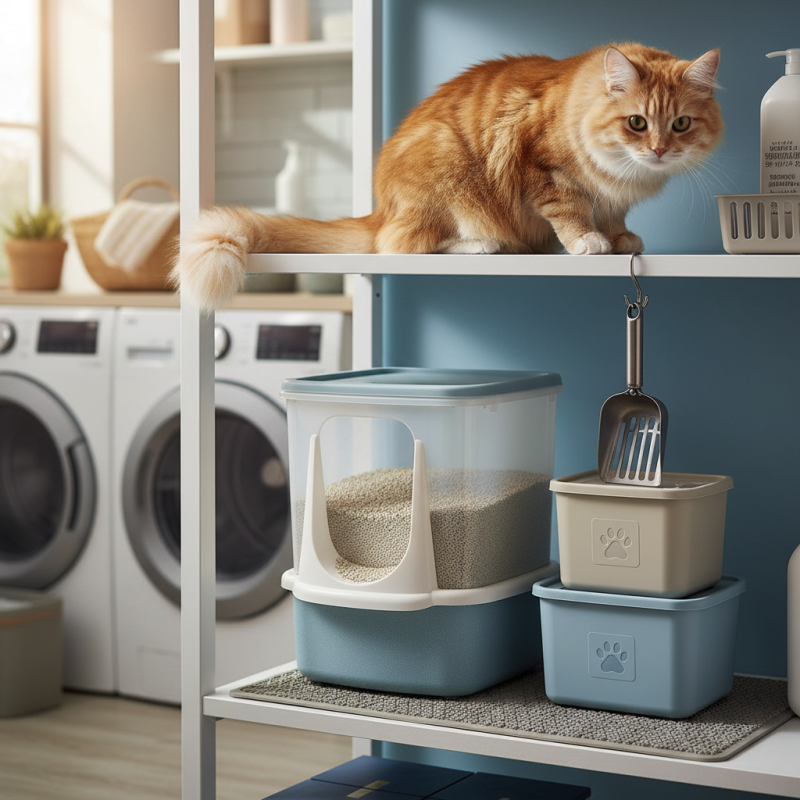
Choosing the Right Container for Cat Litter Storage
Choosing the right container for cat litter storage is essential for maintaining hygiene and convenience. An airtight container is a great option. It prevents odors from escaping and keeps moisture out. Look for a container made from durable material. This helps to ensure longevity. Containers with a large opening make it easy to scoop litter.
Plastic bins are popular due to their affordability and lightweight design. However, they can break easily if dropped.
Glass containers are stylish and non-toxic but can be heavy and shatter. Consider a metal container. It adds a rustic touch and is sturdy enough to last.
Ultimately, the right choice depends on your living situation. A compact container may suit smaller apartments better. Always think about accessibility, especially if you frequently clean the litter. Regularly inspect the container for any signs of wear. Sometimes, the best solution is to switch containers as your needs change.
Ensuring Proper Sealing of Cat Litter Bags
When it comes to storing cat litter, proper sealing of bags is crucial. According to industry research, up to 10% of cat owners report odor issues linked to improper storage. Air exposure can lead to significant clumping and odor retention. Using airtight containers can prevent this. Food-grade containers are an excellent choice. These containers not only keep litter fresh but also deter pests.
It's also essential to consider the environment where litter is stored. A damp or humid area can compromise freshness. Research indicates that optimal conditions involve stable temperatures around 65°F to 75°F. Choosing a dry closet or storage room can offer improved longevity. Many people overlook sealing techniques. Ensure bags are tightly closed to minimize moisture entry. Using zip ties or clips can help.
Failing to securely seal litter can lead to wasted product and increased costs. More than 60% of users find they discard litter prematurely due to spoilage. When sealed properly, litter can last longer and maintain its effectiveness. Regularly check your storage solutions. Even the best bags can wear out over time. Maintaining awareness of your storage practices can enhance your experience as a cat owner.
Identifying Ideal Locations for Storing Cat Litter
When it comes to storing cat litter, finding the right location can make a big difference. A well-chosen area keeps the litter accessible while preventing mess and odor. Consider placing the litter in a dry, cool spot away from direct sunlight. This helps maintain its effectiveness and extends its shelf life.
Many pet owners overlook storage solutions. Use airtight containers to keep litter fresh and protect against moisture. These containers not only minimize odors but also provide easy access during refills. A designated storage bin in your laundry room or closet can help keep everything organized. Make sure it’s a spot that is easy for you to reach but not too obvious for curious cats.
Avoid storing litter in basements or damp areas. Increased humidity can cause clumping and spoilage. It's essential to reflect on comfort. Ensure that the chosen spot complements your cleaning habits and doesn’t interfere with daily routines. Remember that a little extra thought into the storage setup can enhance your overall cat care experience.
Maintaining a Clean Environment Around Cat Litter Storage
Storing cat litter can seem simple, but doing it properly is crucial. To maintain a clean environment around your cat litter storage, choose a designated area that is well-ventilated. Avoid storing litter in damp places. Stale odors can develop in a moist environment. Proper airflow helps keep the area fresh.
Use a container with a tight-fitting lid to keep litter contained. This also reduces odors from escaping. Select a container made of durable materials. You may need to wash it regularly to prevent residue buildup. It takes time, but consistent cleaning leads to a healthier space.
Consider using a litter mat to catch any spills. Cats can be messy, and a litter mat prevents tracking. Regularly shake it out or vacuum to maintain cleanliness. Your diligence will pay off in a fresher environment. Sometimes, it’s easy to overlook these details. Small efforts will enhance both your home’s cleanliness and your cat’s hygiene.
10 Best Ways to Store Cat Litter Properly at Home
This chart illustrates the effectiveness of various cat litter storage methods ranging from sealed containers to measuring tools. Each method is rated on a scale of 1 to 10 based on its ability to maintain a clean environment around cat litter storage.
Regularly Checking Cat Litter for Freshness and Quality
Regularly checking cat litter for freshness and quality is vital for your cat’s health. Studies show that stale litter can lead to discomfort and urinary tract issues in felines. According to the Pet Innovation Center, nearly 30% of cats refuse to use dirty litter boxes. This emphasizes the need for daily inspections.
When you check the litter, examine its texture and odor. Fresh litter absorbs moisture and controls smell effectively. Over time, litter can clump together or become gritty. This change can deter your cat from using it. If you notice a strong ammonia scent or an unusual texture, it is time to replace it. PetMD suggests that cats may develop behavioral issues if litter quality declines.
Keeping litter fresh also involves mindful storage practices. Storing litter in airtight containers helps maintain its quality. It prevents moisture and pests from compromising the product. If you buy in bulk, consider how long it will remain effective. Using outdated litter can pose risks to your cat’s health. Regularly assessing both the litter box and its contents will create a more comfortable environment for your pet.
10 Best Ways to Store Cat Litter Properly at Home
| Storage Method |
Description |
Recommended Frequency for Checking Freshness |
Pros |
Cons |
| Airtight Containers |
Store litter in airtight bins to prevent moisture and odors. |
Weekly |
Keeps litter fresh for longer. |
Initial cost for containers. |
| Cool, Dry Area |
Store in a place away from heat sources and humidity. |
Monthly |
Prevents clumping and degradation. |
Requires attention to location. |
| Original Packaging |
Keep litter in its original bag if it's resealable. |
Weekly |
Convenient and easy to check. |
Less protection against pests. |
| Litter Mats |
Use litter mats to minimize mess while storing. |
After each use |
Easier cleanup and better hygiene. |
Does not directly store litter. |
| Frequent Replacement |
Change litter regularly to ensure freshness. |
Bi-weekly |
Promotes hygiene for your cat. |
Can be wasteful if overdone. |
| Label Containers |
Label bins with contents and date of purchase. |
Every purchase |
Helps track freshness easily. |
Requires time to update labels. |
| Avoid Open Spaces |
Do not leave litter exposed to open air. |
Daily |
Protects from contamination. |
Requires diligence. |
| Use Desiccants |
Include silica gel packs to absorb moisture. |
Monthly |
Extends shelf life of litter. |
May require replacement. |
| Monitor Quality |
Check for clumps and bad odors regularly. |
Weekly |
Ensures a pleasant environment. |
Requires attention to detail. |
Conclusion
When it comes to **how to store cat litter properly at home**, several key practices can ensure optimal freshness and cleanliness. First, selecting the right container for cat litter storage is crucial; it should be durable and seal well to keep moisture and odors at bay. Ensuring that cat litter bags are properly sealed after use can also help maintain their quality over time.
Choosing ideal locations for litter storage is equally important—opt for dry, cool areas away from direct sunlight and high humidity. Regularly checking the litter for freshness and quality will ensure a pleasant environment for both you and your feline. Additionally, maintaining a clean area around the storage will minimize mess and odors, contributing to a more hygienic home altogether. By following these tips, you can effectively manage your cat litter storage and keep your living space clean and fresh.

 Webvet Pet