When it comes to cat care, ensuring their comfort in litter boxes is crucial. According to Dr. Jane Heller, a feline behavior expert, "A comfortable cat is a happy cat." Understanding how to enhance this comfort can lead to improved litter box habits and less stress for our feline friends.
Several factors contribute to a cat's comfort in their litter box. The size, type of litter, and box location are integral elements. For example, a box that’s too small may discourage use. Likewise, strong-scented or dusty litter can deter cats, creating an uncomfortable experience.
As we consider "How To Improve Cat Comfort In Litter Boxes," it's essential to recognize our own biases. Not all cats have the same preferences, and what works for one may not work for another. This highlights the need for experimentation and observation to cater to individual needs. Investing time to identify specific preferences can result in a more positive litter box experience for your cat.
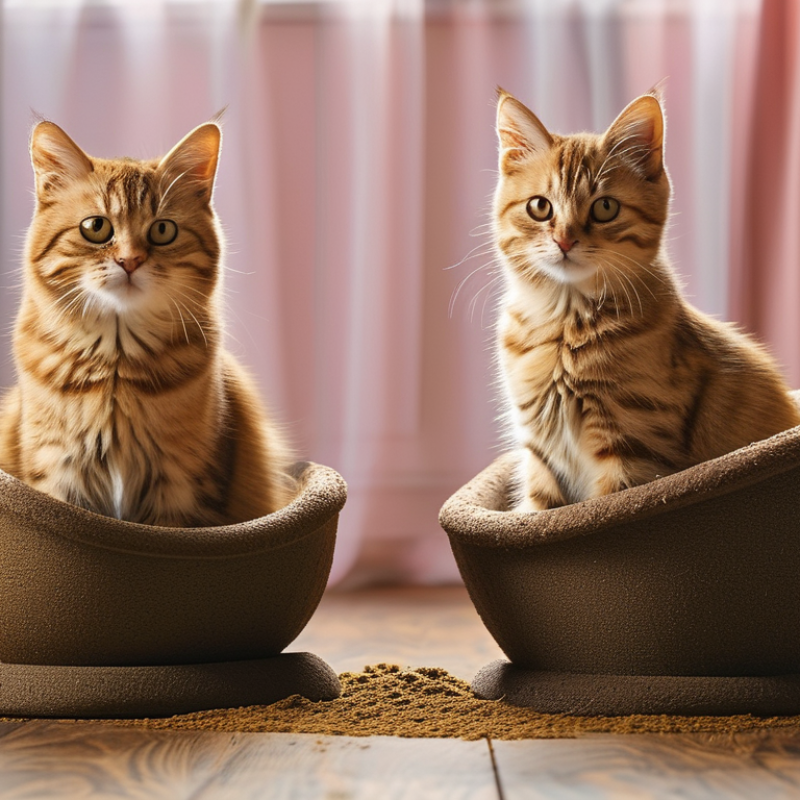
Choosing the right litter box size and shape is crucial for your cat's comfort. Cats value their privacy and space when doing their business. If the box is too small, they may feel cramped and anxious. A general rule is to select a box that is 1.5 times your cat's length. Rectangular boxes often provide enough room, while high-sided designs can prevent litter from spilling out.
Consider your cat's preferences, too. Some cats like covered boxes for a sense of security, while others prefer open ones for better airflow. Experiment with different shapes and heights. Some cats may have difficulty using high-sided boxes. If your cat seems hesitant, it’s worth trying alternatives. Observing your cat's behavior is key.
Monitoring their comfort level is essential. Look for signs of stress or avoidance. It may be necessary to change their litter box more frequently. A clean box significantly impacts their willingness to use it. Finding the right balance takes time and patience, but it can improve your cat's overall comfort and well-being.
| Litter Box Size | Litter Box Shape | Comfort Features | Recommended Material | Ideal Litter Type |
|---|---|---|---|---|
| Medium (22 x 15 x 5 inches) | Rectangular | Low Entry | Plastic | Clumping Clay |
| Large (30 x 20 x 6 inches) | Corner | Covered Top | Wooden | Natural Fiber |
| Extra Large (35 x 25 x 7 inches) | Oval | Heated Base | Ceramic | Silica Gel |
| Compact (18 x 12 x 4 inches) | Square | Self-Cleaning Mechanism | Plastic | Biodegradable |
Selecting the right cat litter is vital for feline hygiene and comfort. Studies show that 70% of cats prefer specific textures and scents. This preference can significantly affect their litter box habits. Soft, clumping litter often mimics natural soil. Cats, being instinctual creatures, are drawn to familiar sensations.
The choice of litter type is not merely subjective. A report from the Journal of Feline Medicine indicates that unscented litters lead to lower anxiety levels in cats. Certain scents can be overwhelming for sensitive noses. Though some owners enjoy scented options, many cats find them off-putting. A balance must be struck between human preference and feline comfort.
Hygiene is another key factor. Non-clumping litters can lead to odors and bacteria buildup. Research highlights that clumping litters can absorb moisture better, enhancing cleanliness. However, switching litter types may not always be seamless. Gradual transitions are essential, as abrupt changes could result in litter box aversion. Understanding individual cat preferences will provide a more tailored approach to optimal comfort.
Creating a clean and stress-free environment for litter box use is essential for your cat's wellbeing. Ensure the litter box is in a quiet, low-traffic area. Cats prefer privacy. A hidden corner can help them feel safe while they do their business. Avoid placing the box near their food and water, as this can create discomfort.
Regular cleaning of the litter box is crucial. Scoop out waste daily to maintain freshness. Cats are instinctively clean animals. A dirty box can lead to accidents outside the litter area. Also, consider the type of litter. Some cats might prefer finer textures, while others enjoy coarser ones. Experimentation may be required to find what suits your cat best.
Monitoring your cat's behavior with the litter box is vital. If your cat starts avoiding it, do not ignore this sign. There may be underlying issues, such as stress or health concerns. Make adjustments as needed to maintain their comfort and encourage effective litter box habits. A calm environment fosters relaxation, making the experience easier for them.
This chart illustrates the various factors contributing to cat comfort in litter boxes in 2026, evaluating factors such as cleanliness, accessibility, type of litter, box size, and location on a scale of 1 to 10.
When it comes to enhancing a cat's comfort in litter boxes, location is a key factor. Cats value privacy. If the litter box is placed in a busy area, it may deter them from using it. Consider a quiet corner of the home. This allows your cat to feel secure while doing their business. If possible, elevate the box slightly. This small height can give them a sense of safety.
Accessibility is another important aspect. The entrance of the litter box should be easy to navigate. Boxes with high sides may intimidate older or smaller cats. A low entry point is ideal for those who struggle with jumping. Additionally, placing multiple litter boxes in different spots can cater to a cat that feels overwhelmed. Multiple options can reduce accidents around the house.
However, owners often overlook the importance of the box's cleanliness at its location. A dirty box, even in a secluded area, creates discomfort. Regular cleaning is essential. Reflect on how often you clean. If the schedule is inconsistent, cats may seek alternative bathroom spots. Always adapt to the needs of your feline friend. Recognizing their behavior and willingness to communicate can lead to improvements in their litter box experience.
Keeping litter boxes clean is essential for cat comfort. Regular maintenance makes a big difference. Scoop the box daily to remove waste. This simple task prevents odors and keeps the litter fresh. Cats are sensitive. They may refuse a dirty litter box.
Change the litter weekly. This helps maintain a pleasant environment. Some cats are finicky about the texture. Experiment with different types of litter to find the preferred choice. It could range from clumping clay to natural alternatives. Observe your cat’s behavior to understand their preferences.
Cleaning the litter box itself is crucial too. Wash it with mild soap and water once a month. Avoid harsh chemicals, as they can irritate sensitive noses. Take time to check for wear and tear. A damaged box could create a negative experience for your cat. Offer a bit of reflection—if your cat shows dislike toward the box, consider any maintenance oversights.
: The right cat litter is crucial for hygiene and comfort. Cats prefer specific textures and scents.
Many cats find scented litters overwhelming. Unscented options can reduce anxiety for sensitive cats.
Clumping litter absorbs moisture better, reducing odors and bacteria buildup. It helps maintain cleanliness.
Scoop the litter box daily to remove waste. This prevents odors and keeps the litter fresh.
Change the litter weekly to maintain a pleasant environment for your cat.
Experiment with different litter types and observe your cat’s behavior for clues about their preferences.
Clean the box with mild soap and water monthly. Avoid harsh chemicals that could irritate sensitive noses.
If your cat refuses to use the box, reflect on potential maintenance oversights or litter choices.
Abrupt changes in litter can lead to litter box aversion. Gradual transitions are often beneficial.
Regularly check for wear and tear; a damaged box can negatively impact your cat’s experience.
To improve cat comfort in litter boxes, it’s essential to consider several factors that contribute to their overall experience. Firstly, choosing the right size and shape of the litter box is crucial, as it should allow for easy movement while providing adequate space for the cat to burrow. Additionally, selecting the appropriate type of cat litter can enhance hygiene and comfort, making the box a pleasant area for your feline friend.
Establishing a clean and stress-free environment also plays a vital role. Regular maintenance, including cleaning the litter box frequently, can prevent unpleasant odors and ensure that the box remains inviting. Furthermore, strategic placement of the litter box is important for accessibility and privacy, allowing your cat to use it without feeling threatened. By following these guidelines on how to improve cat comfort in litter boxes, you can create a more satisfying experience for your pet.

Webvet Pet