When it comes to cat ownership, maintaining a clean and efficient litter box is crucial. Many pet owners seek answers on "How To Extend The Life Of Cat Litter." A recent study by the American Pet Products Association found that 27% of cat owners experience issues with litter management. According to Dr. Emily G. Murphy, a veterinary expert at the Feline Care Institute, "An efficient litter routine can prevent waste buildup and improve your cat’s health." Her insight emphasizes the importance of proper litter handling to create a healthier environment for our feline companions.
By taking proactive steps, you can significantly prolong your cat litter’s lifespan. Simple techniques like regular scooping and using the right type of litter can make a difference. However, many people overlook these strategies. A report from PetSmart revealed that 40% of cat owners do not scoop their litter box daily, contributing to unpleasant odors and reduced litter efficiency. This negligence can be easily addressed, but it requires dedication. With these tips, you can create a cleaner space for your cat and enjoy the benefits of a longer-lasting litter.
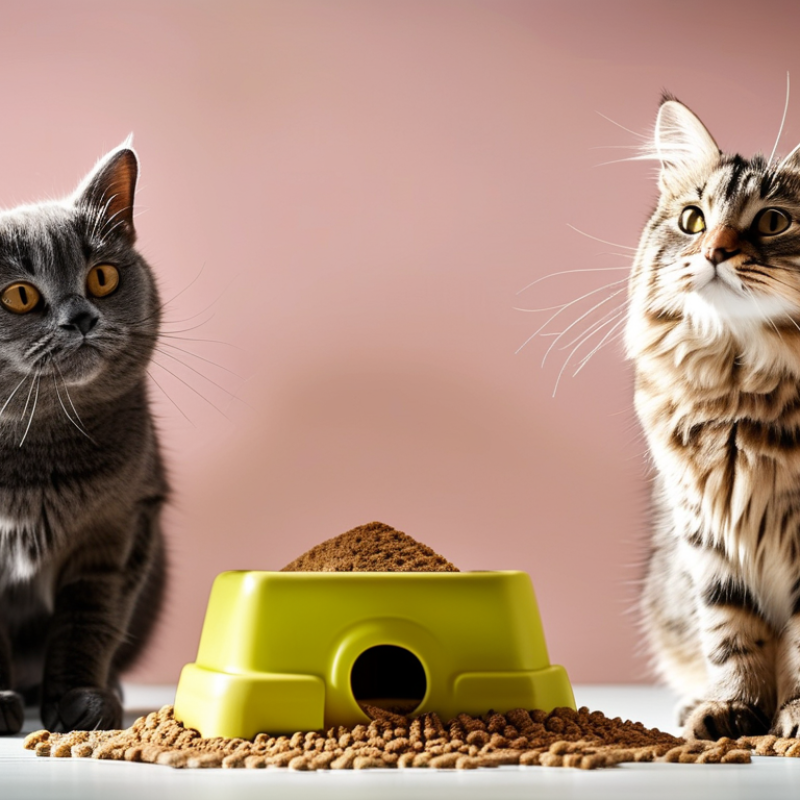
When choosing cat litter, understanding the types available is essential. There are three main categories: clay, biodegradable, and crystal. Clay litter is popular due to its absorbent quality. It typically lasts longer but can create dust and is not eco-friendly. Biodegradable options, made from materials like corn or paper, break down easily but may require more frequent changes. Crystal litter absorbs moisture without clumping, lasting up to a month but can be pricier.
Each type has unique features affecting its lifespan. For example, the clumping ability of clay litter helps contain odors and moisture. However, non-clumping varieties can leave your environment less fresh. Consider your cat’s preferences and habits as well. If they are picky, a change in litter could lead to a mess. Regular maintenance is necessary no matter which type you choose. Monitoring waste levels helps keep the litter box inviting. Even with the best type, certain factors can diminish effectiveness, leading to unpleasant odors or messes. Observing your cat’s behavior after switching litters can offer insights into what works best for them.
Choosing the right placement for your cat's litter box can significantly influence its freshness. A study by the Journal of Feline Medicine and Surgery highlights that optimal placement can reduce odor and improve litter longevity. Cats prefer private, low-traffic areas. Avoid placing the box near noisy appliances or in dark corners.
Maintaining proper ventilation around the litter box is crucial. Fresh air circulation helps minimize odors. The American Veterinary Medical Association suggests keeping the litter box in a well-ventilated area. Ensure it is not in the bathroom or laundry room, as these places often contain excess moisture and can lead to a foul smell.
Regular cleaning habits also matter. Cleaning the box every day prevents waste from accumulating and festering. Research indicates that owners who clean the litter box daily report fewer odor issues. However, if you notice persistent odors despite regular cleaning, it might be a sign to evaluate the placement of the box. Rethink where you've placed it. Sometimes, we overlook the simplest solutions, such as moving it to a more open, airy space.
Maintaining your cat litter is essential for ensuring its longevity. Daily routines can significantly impact how long it lasts. One key practice is regular scooping. Studies show that around 70% of cat owners do not scoop daily. This can lead to odors and clumping problems. When waste accumulates, litter becomes less effective and requires more frequent changes.
Another effective routine involves cleaning the litter box itself. A weekly wash can remove bacteria and odors that contribute to litter degradation. According to a report by the Journal of Feline Medicine and Surgery, dirty boxes can lead to stress in cats, resulting in litter box avoidance. Keeping the box clean promotes a healthy environment and encourages proper usage.
Additionally, monitoring litter levels is vital. Many cat owners underestimate how much litter to keep in the box, often using less than the recommended two to three inches. Proper depth helps control odors and clumping. Also, consider the placement of the box. Avoid areas with high traffic to reduce disturbances. Engaging in these daily maintenance habits can enhance the life of cat litter significantly.
When it comes to cat litter disposal, timing is crucial. Experts recommend changing cat litter at least once a week. However, many cat owners overlook signs that it's time for a change. A dirty litter box can lead to health issues for your cat. The American Veterinary Medical Association highlights that litter boxes should be cleaned daily to maintain a hygienic environment for your pet.
Proper disposal methods also contribute to the longevity of your litter. Instead of simply tossing it in the trash, consider composting or using biodegradable bags. According to recent studies, up to 30% of households do not dispose of litter responsibly. This can negatively impact local landfills and contribute to environmental degradation. Effective disposal strategies are essential for both your cat's health and environmental sustainability.
Additionally, the type of litter used affects replacement timing. Some litters clump better than others, making it easier to manage waste and extend usability. Regularly checking for clumping and odor can be a helpful guide. Cats can be sensitive to changes in their litter box. Ignoring these factors may lead to litter box aversion. A reliable schedule for litter maintenance can help create a comfortable space for your feline friend.
Environmental factors significantly affect cat litter performance. Humidity plays a pivotal role. High humidity can make clumping litter less effective, as moisture can cause clumps to break apart. A report from the Pet Product Association highlights that around 30% of cat owners struggle with litter clumping effectiveness due to environmental conditions. Temperature is also crucial; extreme heat can accelerate odor production, making it essential to store litter in a cool, dry place.
To extend the life of your cat litter, consider its placement. Keep the litter box in a well-ventilated area. This helps manage odors better and maintains litter performance. If possible, use litter mats to catch any stray granules and facilitate easy cleaning. Regularly remove waste will minimize the impact of humidity and heat on your litter.
Another essential tip revolves around the type of litter used. Some litters are specifically designed to combat the effects of humidity and temperature fluctuations. Choose ones made with advanced materials that claim superior moisture control. Investing in high-quality litter might initially feel costly, but it can ultimately save you money. Reports suggest that effective litter management can reduce overall litter use by up to 25%.
: There are three main types: clay, biodegradable, and crystal. Each has distinct qualities.
Clay litter usually lasts longer due to its absorbent quality. However, it can produce dust.
Biodegradable litter breaks down easily, making it eco-friendly. It might need more frequent changes.
Daily cleaning is recommended. This prevents odors and waste accumulation.
Choose a private, low-traffic area with good ventilation. Avoid dark corners or noisy appliances.
Aim for two to three inches of litter. This helps with odor control and clumping.
If odors persist despite cleaning, reconsider the placement. Fresh air circulation is critical.
Regular scooping and weekly washes are essential routines. These can prevent clumping and odors.
Underestimating litter levels can lead to clumping problems and increased odors. It’s crucial for effectiveness.
In "10 Best Tips to Extend the Life of Cat Litter," the article outlines essential strategies for cat owners aiming to maximize litter longevity. Understanding various types of cat litter and their unique lifespans is crucial for making informed decisions. Proper placement of the litter box can significantly affect freshness, while establishing daily maintenance routines can prevent odors and clumping effectively.
Additionally, the article provides insights on the best practices for litter disposal and replacement timing, ensuring the litter remains effective for longer. Environmental factors such as humidity and temperature also play a role in cat litter performance. These tips collectively answer the question of how to extend the life of cat litter, offering practical advice to enhance both the litter's efficiency and the overall hygiene of the litter box.

Webvet Pet