Keeping a clean home is essential for both pet owners and guests. One common issue cat owners face is unpleasant litter box odor. This not only affects your living environment but can also impact the well-being of your furry friend. Using the "Best Ways To Reduce Litter Box Odor At Home" can significantly improve your situation.
Regular cleaning is paramount. However, simply scooping the litter daily may not be enough. You might find that traditional litters do not mask odors effectively. It could lead to frustration and guilt, knowing your cat’s comfort relies on this. Moreover, cat preferences vary, so discovering the right product for them takes experimentation.
Integrating effective techniques matters too. Using baking soda is a popular choice to neutralize odors. Yet, this might not work for every household. Monitoring the litter box's location is important as well. If it's hidden in a dark corner, it may prompt accumulation of smells that are tough to tackle. Ultimately, understanding your cat's habits and preferences can guide you towards an efficient and pleasant environment.
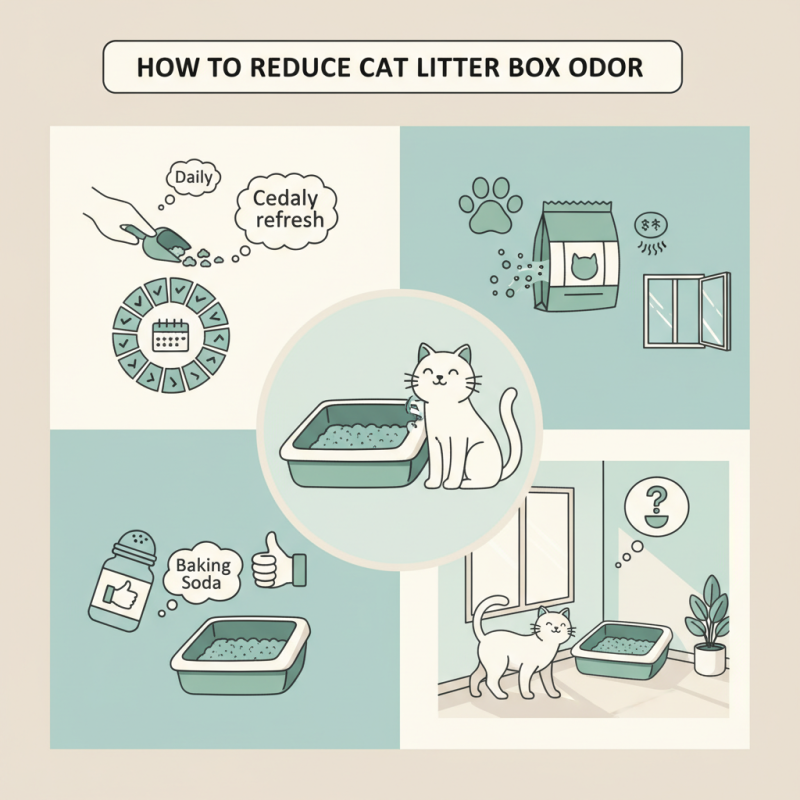
To maintain a fresh-smelling home with cats, regular litter box upkeep is essential. Scoop the litter daily to remove waste and clumps. This simple act can significantly reduce odors. It’s important to use a scoop that reaches every corner of the box. Don’t forget the spots that are often missed.
Once a week, change the litter completely. Empty the box and wash it with soap and water. This helps eliminate lingering smells and bacteria. Use a gentle cleaner to avoid harsh chemicals, which can be harmful to your cat. Ensure that the box is completely dry before adding fresh litter.
Additionally, experiment with different types of litter to find what works best. Some litters absorb odors better than others. Pay attention to how your cat reacts; they may prefer one over another. Lastly, consider the litter box location. A ventilated area can help dissipate odors naturally. Regular maintenance is key. A neglected box will lead to persistent smells and an unhappy cat. Keep the routine simple and consistent. Your cat—and your nose—will thank you.
This chart shows the effectiveness of various tips for eliminating cat litter box odor, based on user feedback and best practices.
Cat urine is a complex mixture that significantly contributes to litter box odor. The main components of cat urine include urea, uric acid, and ammonia. According to a study published in the Journal of Veterinary Internal Medicine, these compounds can break down and release strong odors when exposed to air. Urea is the primary source of this odor. When it deteriorates, it forms ammonia, which is pungent and difficult to eliminate.
Understanding the chemistry helps in addressing odor issues effectively. For instance, the pH level of cat urine typically ranges from 6.0 to 6.5. When the urine becomes alkaline, due to bacterial growth or prolonged exposure to the litter, it emits even stronger odors. Regular cleaning can help mitigate these effects, as removing waste reduces the buildup of bacteria that lead to odor enhancement. According to the American Veterinary Medical Association, maintaining cleanliness can reduce stress in cats and improve their quality of life.
Not all litter absorbs odors effectively, and even the best products may require frequent changing. Experts suggest that litter boxes should be scooped daily. It’s not just about eliminating waste; it’s about preventing buildup.
Regularly deep cleaning the box can also help, yet owners often overlook this. A thorough wash with soap and water every few weeks can disrupt the bacterial colonies that exacerbate the smell. Taking these steps may seem labor-intensive, but they are crucial for maintaining a fresh environment in a cat-friendly home.
Choosing the right type of cat litter is crucial for effective odor control. Some litters are designed to clump tightly, which makes it easier to scoop out waste. Look for litters that boast absorbent properties. Clay-based options tend to lock in moisture well, preventing odors from escaping. These litters can be a bit dusty, which might not be ideal for all cats.
Natural litters often provide an eco-friendly alternative. Made from materials like corn or recycled paper, they reduce environmental impact. However, some natural litters may not control odors as effectively. It’s important to monitor how often you clean the litter box. Even the best litter won’t work miracles if left unchanged for too long.
Consider your cat’s preferences, too. Some cats are picky about texture and scent. You might need to experiment to find the right fit. A litter that works well for one cat could be ignored by another. It’s a balancing act. Regularly reassess your litter choice based on odor control and your cat’s satisfaction. In the end, it’s about creating a pleasant environment for both you and your feline friend.
| Type of Cat Litter | Odor Control Rating | Dust Level | Clumping Ability | Price Range (per bag) |
|---|---|---|---|---|
| Clumping Clay | Excellent | Low | Strong | $15 - $25 |
| Non-Clumping Clay | Good | Medium | Weak | $10 - $20 |
| Crystal Litter | Very Good | Low | None | $15 - $30 |
| Recycled Paper | Fair | Low | None | $12 - $25 |
| Wood Pellet | Good | Medium | Weak | $10 - $20 |
Maintaining a clean cat litter box is essential for a fresh-smelling home. Implementing effective cleaning routines can significantly reduce odors. According to a survey by the American Pet Products Association, 50% of cat owners report unpleasant odors stemming from litter boxes. Regular cleaning can help combat this issue.
Clean the litter box daily. Dispose of clumps and waste immediately. This simple habit prevents the buildup of odors. Every week, empty the entire box and wash it with mild soap. Avoid strong chemicals; they can deter cats from using the box. A study by the Journal of Feline Medicine and Surgery suggests that a clean environment is vital for feline health and behavior.
Consider the type of litter you use. Some litters are designed for superior odor control. Experiment with various options to find one that works best for you and your cat. Additionally, maintaining a well-ventilated area for the litter box is crucial. Poor airflow can exacerbate odors. Try placing the box near a window or using an air purifier to enhance circulation. Adopting these routines will contribute to a more pleasant home environment.
Air quality and humidity play a significant role in litter box odor. High humidity can trap odors, making them more intense. When moisture levels rise, the litter may not absorb waste effectively. This leads to an unpleasant smell that permeates your home. Dry air, on the other hand, can help odors dissipate. Ventilation is crucial, as fresh air reduces lingering smells.
To improve air quality, consider using air purifiers. They can help eliminate airborne particles and odors. Additionally, regularly cleaning the litter box is essential. Some pet owners forget to do this consistently, causing odors to build up. Scoop the box daily and change the litter weekly for better results. Regular maintenance makes a difference in how your home smells.
Humidity plays a dual role in odor management. Excess moisture can lead to the growth of bacteria, worsening the situation. Conversely, very dry conditions may cause dust and allergens. Striking a balance is key. Monitor indoor humidity levels with a hygrometer. Aim for a comfortable range to minimize odors while maintaining a healthy environment for both you and your cat.
: Scoop the litter box daily. This keeps odors minimal and maintains cleanliness.
Change the litter completely once a week. Wash the box with soap and water.
Deep cleaning disrupts bacteria colonies that cause odors. It's vital for a fresh environment.
Watch your cat's behavior. They may prefer certain types of litter over others.
Prolonged exposure and bacterial growth can raise the pH of urine. Higher pH emits stronger odors.
Avoid harsh chemicals. They can harm your cat. Use gentle cleaners for safety.
A ventilated area is optimal. It naturally helps dissipate odors and keeps the space fresh.
A neglected box will lead to persistent smells and can cause stress for your cat.
No, some litters absorb odors better than others. Experiment to find what works best for you.
Urea is the main source. It breaks down into ammonia, which has a strong smell.
To effectively address the issue of litter box odor in your home, it's essential to explore the best practices available. Regular maintenance of the litter box is paramount; this involves frequent scooping and complete litter changes. Understanding the chemistry of cat urine helps to recognize how it contributes to unpleasant odors, allowing you to tackle the root of the problem. Choosing the right type of cat litter can significantly enhance odor control, so it’s worthwhile to research various options that suit your needs.
Furthermore, implementing a consistent cleaning routine and recognizing environmental factors, such as air quality and humidity, are crucial in managing litter box smells. By combining these strategies, you can discover the best ways to reduce litter box odor at home and create a fresher environment for both you and your cat.

Webvet Pet