When considering "How Often Should Cat Litter Be Changed," pet owners often find themselves at a crossroads. According to the American Association of Feline Practitioners, keeping a clean litter box is vital for your cat's health and wellbeing. Renowned pet care expert Dr. Jane Smith emphasizes, “A clean litter box promotes better behavior in cats and enhances their quality of life.”
Many studies suggest that litter should be scooped daily and completely changed every one to two weeks. This may vary based on the type of litter used and the number of cats in the household. For instance, clumping litters can become less effective if not changed regularly, leading to potential odor issues and bacteria growth. Some owners may only change the litter every few weeks, but this can reflect on the cat's hygiene.
It’s essential to remain vigilant about your cat's litter box. Ignoring changes in your cat’s behavior, such as avoiding the box or changes in elimination habits, may indicate litter box problems. Regular changes not only affect your cat’s health but also your home environment. Evaluate your routine; is it enough? Reflecting on your cleaning habits may lead to a happier, healthier cat.
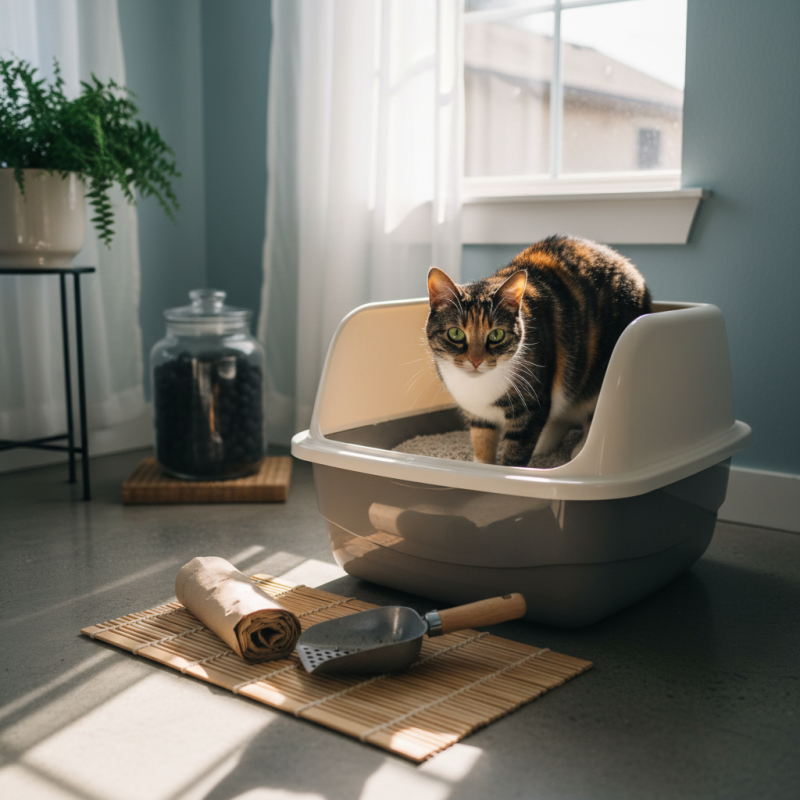
Best Practices for Changing Cat Litter: Frequency Guidelines
Changing cat litter regularly is essential for a clean and healthy environment. Many cat owners wonder how often this should be done. Typically, it's recommended to change clumping litter every one to two weeks. However, daily maintenance is crucial. Scoop out waste at least once a day to keep odors at bay. Consistency can prevent buildup, which can deter your cat from using the litter box.
Frequency can also depend on your cat's health and personal habits. Cats with sensitive stomachs may produce more waste. Older cats or those with health issues might require more frequent changes. Take time to observe your cat's behavior. If your cat starts avoiding the litter box, it may signal it's time for a fresh change. Experimenting with different schedules could be beneficial to find what works best.
Remember, even clean litter can develop odors. Consider using a high-quality litter product that limits smell. Stay attentive to the box's condition and your cat's preferences. It's okay to reevaluate your routine as needed; being flexible can lead to a better experience for both you and your feline friend.
Best 5 Tips on How Often Should Cat Litter Be Changed?
| Tip |
Frequency |
Description |
| Scoop Daily |
Every Day |
Removing clumps eliminates odors and keeps the litter box fresh. |
| Change Completely |
Once a Week |
Changing all litter helps maintain hygiene and prevent bacterial growth. |
| Clean the Box |
Every 2-4 Weeks |
Deep cleaning the box removes stains and odors. |
| Check for Changes |
As Needed |
Monitor your cat’s health; if litter is used more or less, investigate. |
| Type of Litter |
Varies |
Different litters have different absorption rates; adjust accordingly. |
Understanding the Types of Cat Litter and Their Effects on Change Frequency
Choosing the right type of cat litter plays a significant role in how often it needs to be changed. Clay litter, for example, typically absorbs moisture well. However, it can become saturated quickly, necessitating more frequent changes. According to a recent report by the American Veterinary Medical Association, it is recommended to clean clay litter every 1-2 weeks. In contrast, biodegradable options such as corn or wheat-based litters may require less frequent changes. These litter types often have natural odors and absorbency, extending their usability to around 2-4 weeks.
The type of litter also influences odor control. A 2022 survey revealed that nearly 70% of cat owners prefer litter that neutralizes odors effectively. Particularly, crystal litter absorbs moisture while also controlling odors. Some crystal litters last longer but may lead to dust issues if not handled properly. Additionally, owners should consider the sensitivity of their cats to different materials. Not every cat will tolerate every litter type well.
Awareness of these factors can lead to better hygiene practices. Regular cleaning is essential, regardless of the litter type. Cats are sensitive to their environment, and a dirty litter box can lead to behavioral issues. A clean box will encourage proper use, while neglect may lead to accidents outside the box. Keeping up with your cat's litter condition can foster a happier, healthier life for both owner and pet.
The Importance of Cleanliness: Health Implications for Cats and Owners
Maintaining a clean litter box is crucial for the health of both cats and their owners. Cats are sensitive creatures. A dirty litter box can lead to stress and anxiety for them. This stress can manifest in various ways, including litter box avoidance. Feces and urine left unattended can also harbor harmful bacteria. This environment can be detrimental not only to cats but also to their human family members. Regular cleaning minimizes these health risks and ensures a harmonious living space.
The frequency of changing the litter depends on several factors. A multi-cat household may require daily cleanings, while a single cat might need a full change once a week. Observing the litter’s condition is essential. If it smells or appears clumped, it’s time to act. A fresh litter environment promotes better hygiene. Cats are more likely to use a clean box, reducing accidents in the home. Additionally, inconsistent cleaning practices might lead to behavioral problems, like refusing to use the box.
It’s easy to overlook the importance of a clean litter box in our busy lives. However, neglecting this aspect can have serious implications. Reflect on your routine. Are you doing enough for your furry friend? Regularly assessing your cleaning habits is vital for your cat's wellbeing. A little effort can go a long way in creating a healthy environment for both pets and owners.
Factors Influencing Cat Litter Change: Number of Cats and Litter Box Size
When it comes to changing cat litter, several factors come into play. The number of cats you have is a crucial consideration. A single cat requires less frequent changes, perhaps once a week. However, two or more cats can lead to a quicker buildup of waste. For multiple pets, you may need to change litter every few days to maintain hygiene. Cats are sensitive to odors, and an unclean box can cause stress or behavioral issues.
The size of the litter box also matters significantly. A large box can hold more litter, which might mean less frequent changes. However, if it’s too small, waste accumulates faster, leading to more frequent changes. Many owners underestimate the size needed for their cats. A spacious box often encourages better usage. Evaluate your box's size relative to your cat's habits. Sometimes, opting for a larger box can be a small yet impactful change.
While these guidelines help, each household is unique. Pay attention to your cat's behavior and adjust accordingly. An observant owner can better meet their pet's needs. Regular cleaning not only maintains hygiene but also strengthens the bond between you and your feline friend. Take time to consider these aspects for a healthier environment.
Expert Recommendations: Veterinary Insights on Litter Maintenance Schedule
Maintaining a clean litter box is essential for your cat's health. Experts emphasize that regular litter changes help prevent infections and odor build-up. According to the American Veterinary Medical Association (AVMA), a dirty litter box can lead to several health issues. Cats may avoid using it, leading to inappropriate elimination habits.
One common recommendation is to change the litter at least once a week. For multi-cat households, daily scooping is advisable. It's important to aim for 2-3 inches of litter depth. This depth helps absorb moisture and control odors more effectively.
Regular cleaning is also essential. Wash the litter box with mild soap regularly. Some veterinarians suggest using a diluted vinegar solution. This step not only cleans but also sanitizes the box. Remember, a clean box encourages good habits. Monitoring your cat’s behavior can alert you to changes that might suggest health issues. Always observe your cat's reactions after cleaning. If they avoid the box, reflection on the litter type or maintenance routine might be necessary.
Best 5 Tips on How Often Should Cat Litter Be Changed?
FAQS
: It's recommended to change clay litter every 1-2 weeks.
Biodegradable litters like corn or wheat can last 2-4 weeks due to their natural properties.
More cats mean faster waste buildup. You may need to change litter every few days for multiple pets.
Cats are sensitive to odors. Effective odor control helps avoid stress and behavioral issues in pets.
A larger litter box can hold more litter, leading to less frequent changes. Assess if yours is the right size.
A dirty box can cause cats to behave poorly or even avoid using it altogether.
Yes, not every cat tolerates all litter types well. Monitor your cat's preferences.
Regular cleaning fosters better hygiene and strengthens the bond with your pet.
Keep the litter box clean and consider your cat's habits and sensitivities.
Many owners underestimate the box size needed for their cats, impacting their litter habits negatively.
Conclusion
When it comes to maintaining a healthy environment for both cats and their owners, understanding "How Often Should Cat Litter Be Changed" is crucial. Best practices recommend changing cat litter at least once a week, though factors such as the number of cats in the household and the size of the litter box can influence this frequency. Certain types of cat litter may also require more or less frequent changes due to their composition and absorbency levels.
Maintaining cleanliness in the litter box not only promotes the health of cats by preventing infection and discomfort but also benefits owners by minimizing odors and hygiene concerns. Veterinarians emphasize the importance of a consistent litter maintenance schedule, tailored to individual circumstances, to ensure the well-being of pets and their human companions alike.

 Webvet Pet