Training a kitten to use the litter box is crucial for a clean and happy home. According to Dr. Sarah Reidenbach, a renowned feline behaviorist, "Consistency and patience are key when teaching a kitten proper bathroom habits." Her expertise highlights the importance of understanding feline behavior.
When you embark on the journey of teaching your kitten, remember that each cat is unique. Some may grasp the concept quickly, while others might need more time. Providing a quiet, accessible litter box can make a significant difference. Use high-quality litter that offers both comfort and odor control.
Observe your kitten's habits and be mindful of their preferences. Not all kittens like the same type of litter or box. If accidents occur, don’t lose heart. It’s a normal part of the process. Reflecting on these moments can help you adjust your methods and create a better environment for your furry friend. Understanding "How To Train A Kitten To Use The Litter Box" requires a blend of expertise, patience, and love.
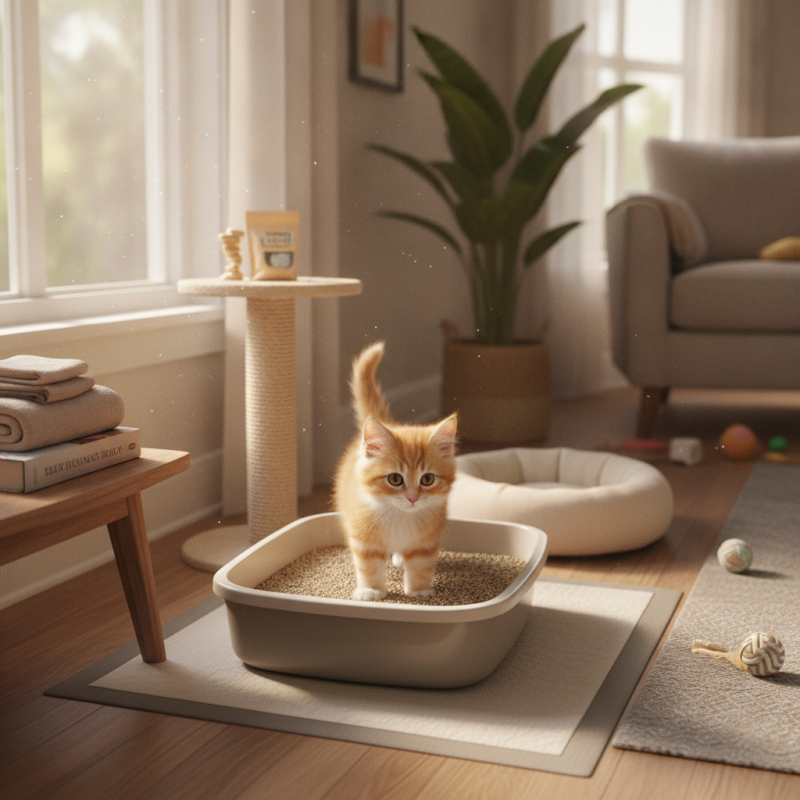
Understanding kitten behavior is essential for successful litter box training. Studies show that around 10-20% of kittens may initially resist using the litter box. Understanding their instincts can help owners guide them better. Kittens, like their wild ancestors, instinctively seek out safe places to eliminate. This means that the placement of the litter box is crucial. A quiet, low-traffic area is often ideal.
Kittens learn through observation and repetition. If a kitten sees another cat using the box, they are more likely to follow suit. According to a survey by the American Animal Hospital Association, nearly 90% of pet owners report that consistent training encourages good habits. That does not mean it will be easy, though. Some kittens may have aversions to certain litter types or box styles. It’s worth experimenting with different options to find what they prefer.
It's not uncommon for owners to feel frustrated during this process. Mistakes might happen, and sometimes accidents do occur outside the box. Patience is key. Experts recommend providing positive reinforcement each time your kitten uses the litter box correctly. This can include praise or treats. Reflecting on the process is necessary; understanding the kitten's perspective can lead to better training methods.
Choosing the right litter is crucial for your kitten's litter box training. Kittens have sensitive preferences, which can significantly affect their willingness to use the box. Many kittens prefer unscented litter. Strong fragrances can deter them and lead to accidents. Additionally, the texture plays a key role. Some kittens like fine granules, while others might prefer coarser options. It’s important to observe your kitten’s reaction to different types of litter.
Experimenting with various types of litter can be a trial-and-error process. You may find that what works for one kitten does not work for another. For instance, clumping litter often attracts kittens, as it allows them to dig and cover their waste. However, some kittens can be less enthusiastic about granulated litter. Make gradual transitions if you need to change the litter type.
Be patient during this phase. If your kitten shows resistance, consider going back to a previous type they liked. A fearful kitten may associate litter box use with negative experiences. Keep the environment clean and stress-free. Regularly scoop the box to maintain hygiene. This can encourage your kitten to continue using it. Finding the right litter is part of the bonding process. Always pay close attention to your kitten's preferences.
| Litter Type | Material | Clumping | Dust Levels | Scent | Price Range |
|---|---|---|---|---|---|
| Clay | Natural clay | Yes | Low | Unscented | $5 - $15 |
| Wood | Compressed wood pellets | No | Low | Natural wood scent | $6 - $12 |
| Paper | Recycled paper | No | Very low | Unscented | $4 - $10 |
| Corn | Corn kernels | Yes | Medium | Lightly scented | $7 - $14 |
| Crystal | Silica gel | No | Medium | Unscented | $10 - $20 |
Creating a suitable environment is crucial for training your kitten to use the litter box effectively. A clean, quiet spot encourages your kitten to explore and adopt the litter box. Position it in an area away from high traffic. This gives your kitten a sense of privacy and comfort. Avoid placing it near food and water bowls. The litter box should feel like a safe space.
Accessibility also plays a significant role. Choose a box that is easy to enter and exit. Kittens are small and may struggle with overly tall sides. Ensure the litter is shallow enough for little paws to dig in. Cats prefer unscented litter, so select a type that doesn’t overwhelm their sensitive noses. Regular maintenance is key; scoop the box daily and change out the litter weekly. A dirty litter box can discourage use.
Consider your kitten's behavior. If they avoid the box, it could indicate discomfort. Observe their actions; are they hesitant or fearful? Sometimes, kittens may struggle with the litter’s texture. Experiment with different types until you find one they prefer. Always be patient during this process. Training takes time, and kittens learn at their own pace.
Training a kitten to use the litter box can seem challenging. However, employing positive reinforcement strategies makes this process smoother. Studies show that using rewards increases the likelihood of desired behaviors in pets. In fact, a report from the Animal Behavior Society indicates that 80% of cat owners successfully trained their kittens using this method.
Start by placing your kitten in the litter box right after meals or playtime. Kittens naturally want to eliminate after eating. When they use the box, immediately reward them with a treat or affection. This immediate positive reinforcement helps them associate the box with a good experience. It’s crucial to provide praise consistently; inconsistency can confuse your kitten.
Creating a comfortable litter environment is also important. The litter should be clean and in a quiet space. Keep it away from their food and water. If your kitten makes mistakes outside the box, avoid punishment. Instead, gently guide them back to the litter box and reward them when they comply. Fostering an encouraging atmosphere leads to better long-term habits. Remember that patience is key. Each kitten learns at its own pace, and adapting your approach is often necessary.
When monitoring your kitten’s litter box habits, several factors come into play. Watch for signs of discomfort. If your kitten avoids the box, something might be wrong. Check the litter type. Some kittens prefer fine textures, while others like coarse. Experiment to find what works best for your furry friend. The location of the box matters too. Place it in a quiet, accessible area.
Troubleshooting common issues is essential for a smooth experience. If your kitten pees outside the box, assess stress levels. New environments can cause anxiety. Offer a safe space and time to adjust. If they persist, consult a vet to rule out medical problems. Clean the box regularly. A dirty litter box is uninviting. Change the litter frequently and wash the box with mild soap.
Keep an eye on your kitten’s behavior. Sudden changes can indicate stress or health concerns. Trust your instincts. Engage with your kitten positively during this process. Patience is key. Remember that every kitten is unique. They have their quirks. Celebrate small victories as they learn. Mistakes may happen, and that’s okay. A supportive approach can make all the difference.
: Place your kitten in the box after meals. Reward them with treats when they use it.
Treats or affection work well as rewards. Positive experiences help reinforce good behavior.
Avoid punishment. Gently guide them back and reward them when they use the box correctly.
The litter box should be clean and in a quiet area, away from food and water.
Monitor for discomfort. Change the litter type or the box location to improve their experience.
Sudden behavior changes can show stress. Create a safe space and let them adjust at their own pace.
Regular cleaning is vital. Change the litter frequently to keep it inviting for your kitten.
Assess their stress levels. If problems persist, consult a vet to rule out health issues.
Training your kitten to use the litter box is an essential part of pet ownership that requires understanding and patience. The first step is to comprehend kitten behavior, which helps in creating a positive training experience. Choosing the right type of litter is crucial, as kittens often have specific preferences. Additionally, setting up a comfortable and accessible environment for the litter box will encourage your kitten to use it consistently.
To effectively train your kitten, employ step-by-step techniques such as positive reinforcement, rewarding them with treats or affection when they use the litter box. Regular monitoring is vital to address common issues like refusal to use the box or accidents outside of it. By following these tips, pet owners can learn how to train a kitten to use the litter box successfully, resulting in a happy and clean living space.

Webvet Pet