2026 Best Cat Litter Types What Are the Key Features?

Time:2026-09-17 Author:Mason
0%

Choosing among the 2026 best cat litter types starts with one practical question: What Are The Key Features Of High Quality Cat Litter? The answer involves more than odor control. A reliable litter should manage moisture, limit dust, form firm clumps, and feel comfortable under sensitive paws. It should also remain acceptable to the cat after several days of use.

The American Pet Products Association’s 2024–2025 National Pet Owners Survey reports nearly 50 million U.S. households owning cats. That scale explains why litter choices now include clay, tofu, corn, wood, silica gel, and recycled paper. Market reports from Grand View Research also show continued growth in cat-care products, including premium and sustainable litter. Yet premium packaging does not guarantee better performance. A shiny bag can still create dusty pawprints beside the box.

Certified applied animal behaviorist Dr. Mikel Delgado states, “Cats are individuals, and what works for one cat may not work for another.” Her point matters. A strongly scented litter may please a human household but cause avoidance in a sensitive cat. Unscented formulas often provide a safer starting point. Fine, soft textures can feel natural, while low-dust formulas help protect breathing comfort during pouring.

No litter is perfect. Some biodegradable products track easily, and some clay formulas control odor better. The right choice depends on the cat, the household, and cleaning habits. This guide compares each type through measurable features, practical experience, veterinary guidance, and current industry evidence. It also questions popular claims, because “natural” does not automatically mean cleaner, safer, or more suitable.
2026 Best Cat Litter Types What Are the Key Features?

Understanding the Main Types of Cat Litter in 2026

Understanding the Main Types of Cat Litter in 2026

Cat litter choices now reflect comfort, cleanup, dust control, and household waste. APPA’s 2024 National Pet Owners Survey reported that approximately 46.5 million U.S. households owned cats. That large user base has different needs, especially in apartments, multi-cat homes, and homes with sensitive people.

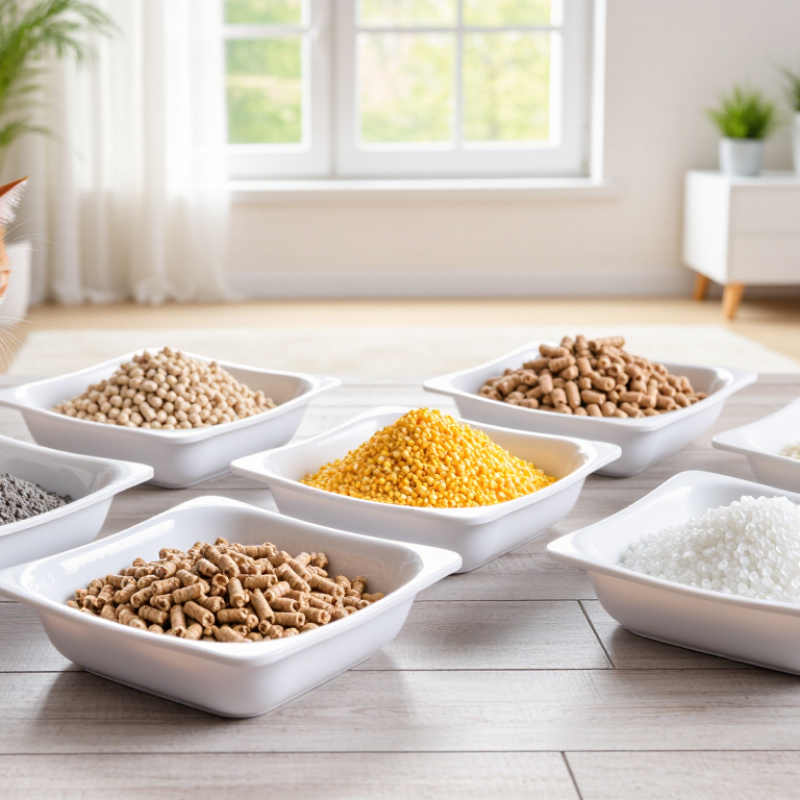
Clumping clay litter forms firm urine clumps, making daily scooping efficient. It usually controls odor well, but dust and tracking can remain concerns. Non-clumping clay absorbs moisture without forming solid clumps. It may suit kittens or temporary setups, though it often needs more frequent replacement.

Silica crystal litter absorbs liquid and reduces odor effectively. Some cats dislike its hard texture. Plant-based litter, including wood, paper, and grain fibers, is often lighter and produces less mineral waste. However, absorbency, texture, and odor control vary widely between formulas.

Grand View Research’s 2024 market analysis identified rising demand for sustainable cat litter materials and projected continued market growth through 2030. Still, “eco-friendly” does not automatically mean better for every cat.

A practical test involves changing litter gradually, measuring dust near the tray, and checking the cat’s paws afterward. Small details matter. My earlier assumption that low tracking meant superior litter was incomplete; some low-tracking products absorbed poorly in humid rooms. The best choice depends on texture acceptance, cleaning frequency, ventilation, and the cat’s actual behavior.

Comparing Absorption, Odor Control, and Clumping Performance

Choosing cat litter in 2026 means comparing performance, not just texture.
In my experience, absorption changes quickly after one wet spot. Fine granules can form a firm mass, while larger particles may leave liquid underneath.

Pour a small amount of water into a clean tray. Check the base after ten minutes. Still, home testing is imperfect. Real urine spreads differently.

Odor control depends on moisture management, ventilation, and cleaning habits. A litter that masks smells briefly may fail by evening.

Choose materials that trap moisture without creating heavy perfume. Strong fragrance can bother sensitive cats and hide a dirty tray.

Scoop clumps daily, then inspect corners and edges. This detail matters.

If ammonia appears quickly, the litter may be saturated, the tray too shallow, or cleaning too infrequent.

Clumping performance affects hygiene and waste control. Dense clumps should lift without crumbling, leaving a mostly dry surface.

Weak clumps break apart, and wet pieces can hide underneath. Test the scoop after several hours, not immediately.

Yet clumping is not everything. Some cats reject dusty textures, even with excellent odor control.

Watch paw tracking, coughing, and changes in litter-box use. Their behavior offers useful evidence, although it can be easy to misread.

Evaluating Safety, Dust Levels, and Paw Comfort

The best cat litter balances safety, low dust, and paw comfort, rather than promising one perfect formula. APPA’s 2023–2024 National Pet Owners Survey reported cats in about 46.5 million U.S. households. That scale makes everyday exposure important. Choose unscented litter when possible. Strong fragrances may irritate sensitive noses and can discourage box use. Clumping mineral litter controls urine well, but fine particles can become airborne during pouring. Plant-based granules and paper pellets may produce less visible dust, though performance varies between formulas.

Dust deserves careful checking. There is no universally accepted “dust-free” testing standard for household litter. I would not treat that label as proof of safety. Pour slowly, keep the box away from food, and clean it in a ventilated area. The AAFP and ISFM feline environmental guidelines recommend one litter box per cat, plus one extra. More boxes reduce crowding and may lower accidental contact with soiled litter. Kittens, older cats, and cats with respiratory problems need closer observation. Sneezing after a litter change is useful evidence, not an inconvenience.

Paw comfort is easy to underestimate. Fine, sand-like particles often feel natural, while sharp pellets may bother tender or arthritic paws. A depth of roughly five to seven centimeters usually supports digging without excessive waste. Watch the floor around the box. Persistent tracking can signal uncomfortable texture or poor particle size. In practice, cats may reject the litter owners consider cleanest. That is the imperfect part: safety improvements matter, but acceptance still decides whether the box gets used.

2026 Best Cat Litter Types: Key Features

Comparative profile of common cat litter materials based on general material characteristics. Scores use a 1–5 scale, where 5 indicates lower dust, stronger general safety suitability, or greater paw comfort.

Paper and wood pellets generally produce little airborne dust but may feel less soft underfoot. Silica crystals offer strong moisture control and low dust when handled carefully, while clumping clay can provide good odor control but commonly produces more fine dust. Tofu-based litter is typically lightweight and soft, although individual cats may respond differently.

Choosing Litter Based on Cat Needs and Household Conditions

Choosing cat litter should begin with your cat’s habits, age, and health needs. Kittens often prefer fine, soft textures that feel gentle under their paws. Senior cats may need low-entry trays and litter with minimal dust. Long-haired cats can carry granules through the home, especially near resting areas. Unscented options are usually safer for sensitive cats because strong fragrances may discourage box use. Observe paw licking, sneezing, or sudden accidents. These signs deserve attention from a veterinarian.

Household conditions matter just as much. Clumping litter can simplify daily cleaning, while non-clumping materials may suit owners who prefer frequent full changes. In a small apartment, odor control and ventilation become important. A multi-cat home needs several boxes, placed in quiet, accessible locations. Homes with children should keep litter boxes away from food preparation areas. I once underestimated tracking around a hallway. A mat helped, but it did not solve everything. No litter is perfect.

Tips: Change gradually over seven to ten days. Mix a small amount of new litter with the familiar type, then increase it slowly. Keep the box clean every day. Test texture before buying a large quantity. If your cat refuses the new litter, return to the previous option and reassess the cause.

Reviewing Environmental Impact, Cost, and Disposal Options

Choosing cat litter in 2026 means comparing more than odor control. Clay litter usually costs less per bag, but extraction and heavy transport increase its environmental burden. Plant-based litter uses renewable materials, yet farming, processing, and shipping still consume energy. Recycled paper can be gentler on resources, although it may require more frequent replacement. No option is perfectly green.

The 2023–2024 APPA National Pet Owners Survey reports 46.5 million U.S. households with cats. That scale makes disposal important. The U.S. EPA’s national waste data recorded 292.4 million tons of municipal solid waste in 2018, with about half sent to landfills. Used litter generally belongs in household waste, not recycling. Avoid flushing it unless local wastewater guidance clearly permits it. Flushable claims deserve skepticism. Infrastructure differs by region.

Tips: Compare cost per usable month, not bag price. Weigh a week of waste from each type. Choose a sealed, washable bin to reduce odor and unnecessary replacement. Check municipal rules before disposal. A lower-impact material may perform poorly in a damp bathroom, creating more waste. That trade-off is easy to overlook. Industry market reviews, including Grand View Research’s cat litter analysis, show continued category growth, but market growth alone does not prove sustainability. Personal testing and transparent disposal practices matter.

FAQS

How can I test a litter’s absorption at home?

Pour a small amount of water into a clean tray. Check the base after ten minutes. A real urine pattern may behave differently. Not perfect.

What signs show strong clumping performance?

Dense clumps should lift cleanly without crumbling. The surface should remain mostly dry. Test after several hours, not immediately. Wet fragments should not hide underneath.

How can I reduce litter-box odors?

Scoop clumps daily and inspect corners and edges. Keep the box in a ventilated area. Heavy perfume only masks problems. Ammonia may indicate saturation or infrequent cleaning.

Is unscented litter better for sensitive cats?

Often, yes. Strong fragrance can irritate sensitive noses and discourage box use. Watch for sneezing, paw licking, or sudden accidents. Cats can disagree with our preferences.

How can I check litter dust levels?

Pour slowly and observe airborne particles near the tray. Clean the box in a ventilated area. “Dust-free” is not a universal testing standard. Treat that label cautiously.

What litter texture may suit kittens or older cats?

Kittens often prefer fine, soft particles. Older cats may need low-entry trays and minimal dust. Sharp pellets can hurt tender or arthritic paws. Comfort matters more than appearance.

How many litter boxes should a multi-cat household provide?

Provide one box per cat, plus one extra. Place them in quiet, accessible locations. More boxes reduce crowding. Placement still needs practical adjustment.

How should I introduce a new litter?

Change gradually over seven to ten days. Mix a small amount with the familiar litter first. Increase it slowly. If your cat refuses it, return to the previous option and reassess.

Conclusion

Choosing the right cat litter in 2026 means balancing performance, safety, comfort, and practicality. The main options include clumping, non-clumping, crystal, plant-based, and paper-based litter, each offering different benefits for absorption, odor control, and ease of cleaning. High-quality litter should form firm clumps when appropriate, absorb moisture efficiently, control odors without overwhelming fragrances, and remain comfortable for sensitive paws. The question “What Are The Key Features Of High Quality Cat Litter” can be answered through its low-dust formula, gentle texture, reliable performance, and safe ingredients.

The best choice depends on a cat’s age, health, preferences, and litter habits, as well as the household’s ventilation, cleaning routine, and budget. Owners should also consider tracking, storage, disposal methods, and environmental impact. Renewable materials and lightweight options may reduce waste or transportation demands, while responsible disposal helps maintain household hygiene. By comparing these factors carefully, cat owners can select a litter that supports their pet’s well-being and fits their daily lifestyle.

Mason

Mason

Mason is a seasoned marketing professional with a deep expertise in the company's offerings and a passion for driving brand awareness. With a strong background in digital marketing strategies, he has an innate ability to connect with diverse audiences and effectively communicate product benefits.......