10 Reasons Why Some Cats Dig Excessively In Litter?

Time:2026-03-30 Author:Mason
0%

Understanding why some cats dig excessively in litter can help owners address this behavior. Cats are instinctual creatures, and digging is often rooted in their natural habits. It can be a way for them to mark territory or find a comfortable spot.

A clean and inviting litter box is essential for feline happiness. Some cats may dig out of boredom or stress. Owners may observe this behavior more frequently in multi-pet households. It's essential to recognize that excessive digging isn't always a sign of a problem but may indicate underlying issues.

Observing your cat's behavior can provide insights. Not all digging is harmful, but it's important to ensure your cat feels safe and secure. Making small adjustments can create a more satisfying environment for them. Addressing the question of why some cats dig excessively in litter may involve trial and error. This process can deepen your bond with your feline friend.
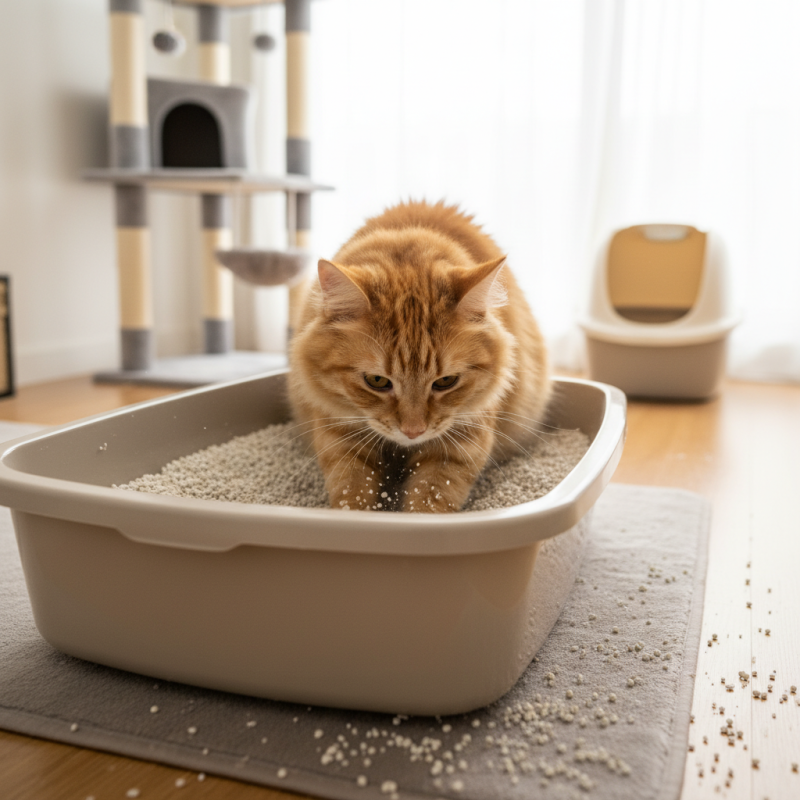
10 Reasons Why Some Cats Dig Excessively In Litter?

Reasons for Excessive Digging Behavior in Cats

Cats often exhibit excessive digging behavior in their litter boxes for several reasons. This behavior can be linked to their natural instincts. Cats are instinctive diggers; they prepare a space for themselves to eliminate waste. In the wild, they would dig to cover their scent and hide from predators. Such instincts remain strong even in domesticated cats.

Sometimes, excessive digging may indicate a lack of comfort. If a cat feels anxious or threatened, they may dig in an attempt to create a safe space. Changes in their environment, such as new pets or visitors, can lead to this behavior. Additionally, the type of litter can affect how a cat interacts with the box. A cat may dig more if the texture isn't to their liking.

It's crucial to observe these behaviors closely. Frequent digging could also suggest potential health issues, such as urinary tract infections. It’s vital to consult a veterinarian if you notice drastic changes in your cat's litter habits. These insights allow for a better understanding of your cat and proper support for their needs. Noticing the small details can lead to important discoveries about their habits.

Understanding the Natural Instincts Behind Litter Digging

Cats have fascinating instincts that often drive their behaviors, especially when it comes to digging in litter. Understanding these instincts is crucial for cat owners. Many cats dig to mimic their wild ancestors, who would scratch and dig to cover their waste. This instinct ensures they remain hidden from predators. The action is not just a behavior; it's a survival tactic deeply embedded in their genetics.

Another reason for excessive digging is related to comfort and exploration. Cats are curious creatures. When they sift through litter, it can be a way for them to explore their environment. The texture of the litter provides stimulation. Some cats dig more when they are anxious or stressed. They may find comfort in repetitive actions. This behavior can lead to a messier litter box, and it doesn’t always mean they are unhappy. Each cat is unique, and their digging habits can vary widely.

Not all digging is equal; some cats dig more than others. If your cat seems to be digging excessively, it may be worth observing their behavior in different settings. Look for changes in their routine. Have there been any recent stressors, like moving or new pets? It's a complex issue and requires patience. Understanding your cat’s instincts can reveal a lot about their mental state.

Impact of Litter Type on Cat Digging Behavior

The type of litter you choose can greatly impact how a cat behaves in its litter box. Cats are sensitive creatures. They have distinct preferences when it comes to texture and scent. For instance, clumping clay litters offer a satisfying digging experience for many cats. However, some might find the texture too abrasive.

In contrast, natural litters made from wood or corn can provide a softer but less clumpy feel. This could reduce excessive digging. Observe your cat's reaction to both types of litter. You may notice they dig less with one over the other. It’s essential to consider your cat's personality and preferences when selecting a litter type.

**Tips:** Try different litter types to see which one your cat prefers. Keep the litter box clean and fresh to encourage appropriate digging behavior. Monitor your cat’s digging habits over time. This can help you understand their comfort level and potential stressors in their environment.

Impact of Litter Type on Cat Digging Behavior

Environmental Stressors Influencing Litter Box Use

Cats are sensitive creatures, and their litter box behavior often reflects their environmental stressors. Research indicates that a staggering 65% of cat owners report behavioral issues related to litter box use. Stressors can stem from changes in the household, such as new pets or moving to a different home. Each change can disrupt a cat's routine, triggering excessive digging.

Another factor is the location of the litter box. Cats prefer private spaces, away from noise and disturbances. If the box is in a high-traffic area, they may feel anxious. Experts suggest that offering multiple litter boxes can alleviate this stress. One study found that having one more box than the number of cats in the home significantly reduces anxiety-related behaviors.

Additionally, the type of litter used can affect their digging behavior. Some cats are particular about texture and scent. A study from the Journal of Feline Medicine and Surgery notes that 80% of cats prefer clumping litter over non-clumping varieties. Choosing a litter that suits your cat not only promotes hygiene but also encourages them to use the box properly. Understanding these environmental triggers is vital for ensuring your cat feels secure and comfortable.

10 Reasons Why Some Cats Dig Excessively In Litter

Reason Description Impact Level
Inadequate Litter Depth Cats may dig excessively to adjust the depth of the litter for comfort. High
Type of Litter Certain materials may lead to digging as cats want a more suitable texture. Medium
Environmental Stress New pets, changes in the home, or noisy surroundings can cause anxiety leading to digging. High
Health Issues Conditions like urinary tract infections can lead to increased digging behavior. Very High
Territorial Behavior Cats may dig to mark their territory especially in multi-pet households. Medium
Lack of Mental Stimulation Boredom can lead to digging as a way to entertain themselves. Medium
Infrequent Litter Changes Cats may dig to settle the litter if it's not cleaned regularly. High
Preference for Digging Some cats inherently have a habit of digging and find comfort in the act. Low
Insufficient Space Limited litter box size can cause cats to dig excessively to find room. High

Health Issues Linked to Excessive Digging in Cats

Excessive digging in litter may signal underlying health issues in cats. Cats are known for their cleanliness, but when the digging becomes excessive, it's time to observe closely. Problems like urinary tract infections or bladder stones can cause discomfort. A cat in pain may dig frantically, attempting to alleviate it.

Another concern is mental stress. Cats can experience anxiety due to changes in their environment. A new pet, moving homes, or loud noises may trigger this behavior. Digging can serve as a coping mechanism. It's important to recognize these potential stressors and address them. Providing a safe, quiet space can help soothe your cat.

Moreover, excessive digging might indicate other behavioral issues. Cats may engage in this behavior due to boredom or lack of stimulation. Ensuring your cat has ample playtime and engaging activities can reduce this urge. Monitoring their digging habits closely can aid in identifying any pattern or triggers.

FAQS

: How does litter type affect a cat's behavior?

: The type of litter can influence how much a cat digs. Some prefer clumping litter, while others like softer options.

What should I observe in my cat's litter box behavior?

Watch your cat's digging habits. Note if they dig less with one litter type. This helps understand their preferences.

Why is litter box location important?

Cats prefer quiet, private spaces for their litter boxes. High-traffic areas can make them anxious and reluctant to use it.

What can cause behavioral issues with litter box use?

Changes in the household, such as new pets or moving, can disrupt a cat's routine, leading to excessive digging.

How can I reduce my cat's anxiety related to the litter box?

Offer multiple litter boxes. Having one for each cat plus one extra can help reduce stress and promote comfort.

What role does cleanliness play in litter box behavior?

Keeping the litter box clean encourages appropriate digging behavior. Cats may avoid a dirty box altogether.

Should I always stick to one type of litter?

Not necessarily. Trying different types can reveal what your cat prefers. Each cat may have unique likes or dislikes.

How can I understand my cat's stressors better?

Monitor digging habits over time. This might reveal what makes your cat uncomfortable or stressed in their environment.

Conclusion

The article "10 Reasons Why Some Cats Dig Excessively In Litter" delves into various factors contributing to this common feline behavior. It emphasizes the natural instincts that drive cats to dig, as this behavior mimics their wild ancestors who would create a hidden spot for elimination. The type of litter used can also significantly affect a cat's digging habits, as certain textures or scents may be more appealing or comfortable for them.

Additionally, environmental stressors such as changes in household routines or the presence of other pets can influence a cat's comfort level in the litter box, leading to excessive digging. Finally, the article discusses potential health issues that could trigger this behavior, highlighting the importance of monitoring a cat’s health and well-being. By understanding "Why Some Cats Dig Excessively In Litter," cat owners can create a more suitable and stress-free litter box environment for their pets.

Mason

Mason

Mason is a seasoned marketing professional with a deep expertise in the company's offerings and a passion for driving brand awareness. With a strong background in digital marketing strategies, he has an innate ability to connect with diverse audiences and effectively communicate product benefits.......